Martial Arts in J-Dramas: Cultural Philosophy 2025
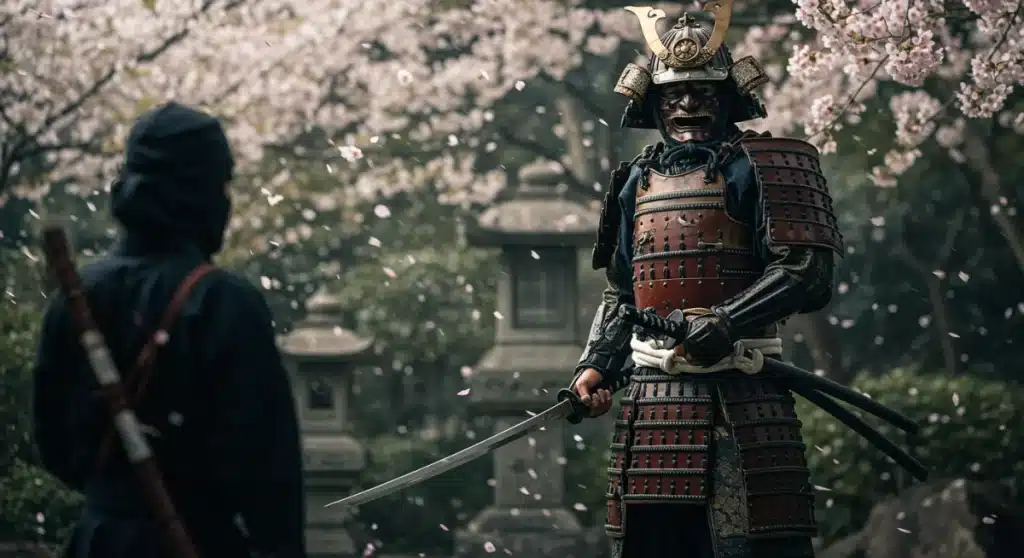
J-dramas in 2025 continue to explore the intricate relationship between martial arts and Japanese cultural philosophy, offering nuanced portrayals of samurai and ninja that transcend mere action sequences to embody historical ethics and contemporary societal values.
In the vibrant landscape of Japanese television, few elements captivate audiences quite like the depiction of martial arts, especially when it comes to the legendary figures of samurai and ninja. As we delve into 2025, J-dramas are not merely showcasing elaborate fight choreography; they are deeply engaging with the profound cultural philosophy that underpins these ancient practices. This exploration aims to uncover how these dramatic narratives reflect and reinterpret Japan’s rich heritage, offering viewers a window into the soul of its martial traditions.
The Enduring Legacy of Bushido in J-Dramas
The concept of Bushido, the ‘way of the warrior,’ remains a cornerstone of samurai portrayals in modern J-dramas. Far from being just a set of fighting techniques, Bushido encompasses a strict moral code emphasizing honor, loyalty, courage, and self-discipline. Contemporary series often delve into the internal struggles of characters as they navigate these principles amidst changing historical or fictional contexts.
This philosophical bedrock provides a compelling narrative framework, allowing dramas to explore universal themes through the lens of ancient Japanese ethos. Viewers are often drawn to the unwavering resolve and ethical dilemmas faced by these characters, making their journeys deeply resonant.
Honor and loyalty: pillars of the samurai code
J-dramas frequently highlight the supreme importance of honor and loyalty in samurai life. Betrayal, whether of a lord, family, or one’s own principles, is often depicted as the ultimate downfall, leading to tragic consequences for the character and their lineage. These narratives serve as powerful reminders of the weight of one’s word and allegiance.
- Seppuku as a final act: The ritual suicide, often a means to restore honor, is portrayed with solemn gravity, emphasizing the profound commitment to the samurai code.
- Unwavering fealty to daimyo: Many storylines revolve around a samurai’s absolute devotion to their feudal lord, showcasing the intricate power dynamics and personal sacrifices involved.
- Personal integrity: Beyond external allegiances, samurai are often shown upholding a strict personal moral compass, even when it conflicts with orders.
The exploration of Bushido in J-dramas martial arts extends beyond historical accuracy; it serves as a cultural mirror, reflecting societal values that continue to influence Japanese identity. The virtues promoted by Bushido, such as perseverance and respect, are often subtly woven into contemporary narratives, demonstrating their timeless relevance.
Ninja: Shadows of Espionage and Survival
While samurai embody overt honor, ninja represent a contrasting, yet equally complex, aspect of Japanese martial culture: stealth, espionage, and pragmatism. J-dramas featuring ninja often explore the moral ambiguities of their clandestine world, where survival and mission success often supersede conventional notions of honor.
The portrayal of ninja in 2025 J-dramas has evolved, moving beyond simplistic depictions of assassins to reveal the psychological toll of their hidden lives. These narratives often question the nature of good and evil, loyalty, and identity when one’s existence is defined by secrecy and deception.
The art of ninjutsu and its philosophical underpinnings
Ninjutsu, the comprehensive martial art and strategy of the ninja, is not just about combat; it encompasses survival, espionage, and psychological warfare. J-dramas showcase the multifaceted nature of ninjutsu, from mastery of disguise to intricate traps and silent movement.
The philosophy behind ninjutsu often emphasizes adaptability, resourcefulness, and a deep understanding of human nature. Unlike the samurai’s overt display of strength, the ninja’s power lies in their ability to manipulate circumstances and remain unseen, a reflection of a different kind of strategic brilliance.
- Stealth and deception: Essential tools for a ninja, often depicted as a necessary evil for achieving greater objectives.
- Adaptability: Ninja characters frequently demonstrate incredible flexibility in their tactics and strategies, adjusting to any situation.
- Emotional detachment: Many narratives explore the emotional cost of a life lived in the shadows, where personal feelings must be suppressed for the mission.
The contrast between the overt code of the samurai and the covert pragmatism of the ninja offers a rich tapestry for storytelling. J-dramas martial arts narratives often use this dichotomy to explore broader philosophical questions about conflict, morality, and the human condition.
Modern Reinterpretations: Samurai and Ninja in Contemporary Settings
One of the most fascinating trends in 2025 J-dramas is the reinterpretation of samurai and ninja archetypes in contemporary settings. These modern narratives often explore how the ancient philosophies and skills of these warriors translate into challenges of the present day, from corporate espionage to crime-fighting.
These dramas bridge the gap between historical tradition and modern life, examining whether the virtues of Bushido or the pragmatism of ninjutsu still hold relevance. This approach allows for fresh perspectives on familiar themes, making the stories accessible to a wider audience while preserving their cultural roots.
Symbolism and allegory in character development
Modern J-dramas often use samurai and ninja as symbolic representations rather than literal figures. A character might embody the unwavering loyalty of a samurai in a corporate setting, or possess the stealth and analytical skills of a ninja as a detective. This allegorical approach enriches the narrative, adding layers of meaning.
The challenges these characters face often mirror societal anxieties or ethical dilemmas specific to modern Japan. By connecting these contemporary issues with ancient philosophical frameworks, J-dramas provide a unique lens through which to examine current events and human nature.
This innovative storytelling keeps the spirit of J-dramas martial arts alive, adapting it to new contexts without losing its essence. It demonstrates the enduring power of these cultural figures to inspire and provoke thought, even centuries after their historical prominence.
The Role of Martial Arts Training in Character Development
Beyond the philosophical aspects, the actual depiction of martial arts training plays a crucial role in character development within J-dramas. The rigorous discipline, physical endurance, and mental fortitude required to master these arts often mirror the internal journeys of the protagonists.
Training montages, sparring sessions, and intense practice sequences are not merely filler; they visually represent the characters’ commitment, growth, and transformation. These scenes often highlight the Japanese cultural emphasis on perseverance (gaman) and continuous improvement (kaizen).
Discipline and self-mastery: core tenets of training
The path to becoming a skilled martial artist in J-dramas is invariably portrayed as arduous, demanding immense discipline and self-mastery. Characters often face physical pain, emotional setbacks, and intense scrutiny from their masters, all contributing to their eventual strength and wisdom.
This focus on the process of training, rather than just the outcome, underscores a fundamental Japanese cultural belief: that true strength comes from within, forged through rigorous self-cultivation. The martial arts thus become a metaphor for life’s challenges and the journey of personal growth.
- Repetitive practice: Emphasized as essential for perfection, reflecting the dedication required in many Japanese crafts and arts.
- Master-disciple relationships: Often central to the training narrative, highlighting respect, guidance, and the transfer of wisdom.
- Mental fortitude: Beyond physical prowess, the ability to maintain focus and composure under pressure is a key lesson from martial arts training.
The authenticity with which J-dramas martial arts training is depicted adds depth to the characters and reinforces the philosophical weight of their actions. It shows that true power is not just about physical ability, but also about mental and spiritual strength.
Cultural Authenticity and Global Appeal of J-Dramas
The cultural authenticity in the portrayal of martial arts, particularly samurai and ninja, is a significant factor in the global appeal of J-dramas. By meticulously researching historical contexts, traditional weaponry, and philosophical underpinnings, these dramas offer viewers an immersive and educational experience.
This commitment to authenticity distinguishes J-dramas, allowing them to stand out in a crowded global entertainment market. Audiences worldwide are increasingly seeking content that offers genuine cultural insights, and Japanese productions excel in delivering this.
Research and historical accuracy: key to immersion
Producers and writers of J-dramas often engage in extensive research to ensure historical accuracy in their martial arts portrayals. This includes details about clothing, weaponry, fighting styles, and the social etiquette of the periods depicted. This dedication creates a believable world for the audience.
While creative liberties are sometimes taken for dramatic effect, the core elements of cultural and historical context remain intact. This balance ensures that the stories are both engaging and respectful of the traditions they represent, fostering a deeper appreciation for Japanese heritage.
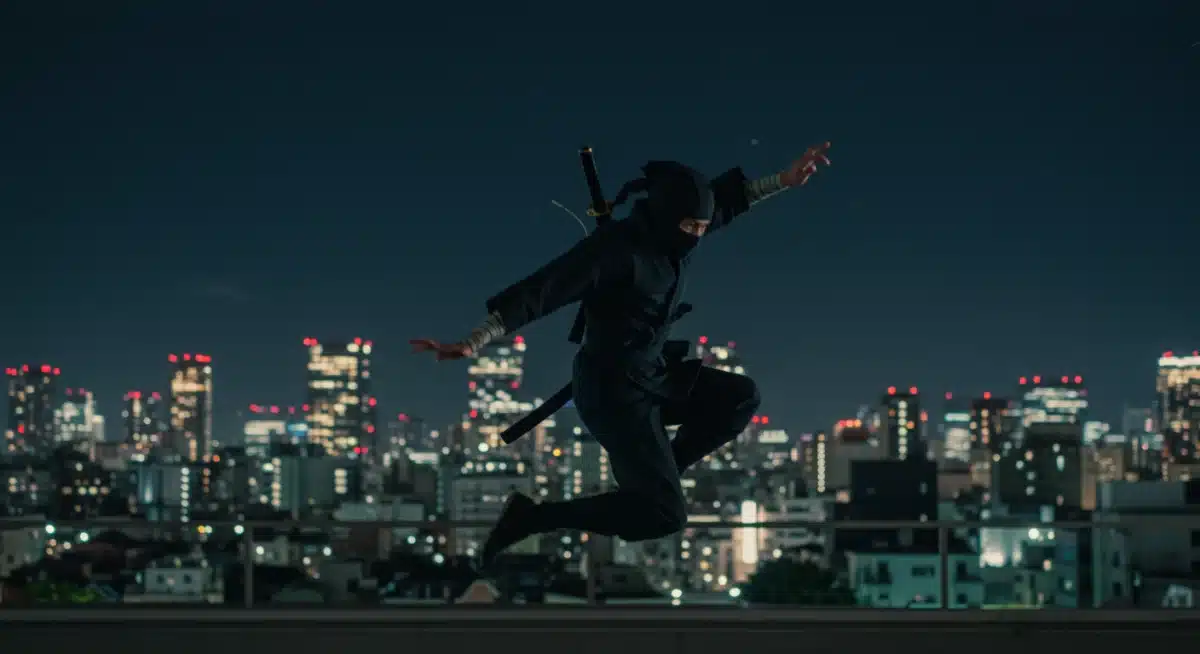
The global audience’s fascination with samurai and ninja stems from their iconic status and the universal themes of honor, duty, and sacrifice they represent. J-dramas martial arts leverage this interest by presenting these figures with both reverence and fresh narrative approaches, enriching the cultural dialogue.
The Evolution of Martial Arts Choreography in J-Dramas
The choreography of martial arts sequences in J-dramas has evolved significantly, moving towards a blend of traditional techniques and modern cinematic flair. In 2025, directors and fight choreographers are employing advanced techniques to create visually stunning and emotionally resonant action scenes.
This evolution is not just about making fights look more impressive; it’s about enhancing the storytelling. Every move, every block, and every strike is designed to convey character, emotion, and narrative progression, making the action an integral part of the overall dramatic experience.
Blending realism with dramatic impact
Modern J-dramas strive for a balance between realistic martial arts movements and the dramatic impact required for television. This often involves collaborating with experienced martial artists and stunt coordinators who can ensure authenticity while also crafting sequences that are exciting and visually dynamic.
The use of slow-motion, dynamic camera angles, and innovative editing techniques further elevates these scenes, allowing audiences to appreciate the intricate details of the combat. This careful crafting ensures that the martial arts are not just spectacle, but a powerful narrative tool.
- Precision and grace: Choreography often emphasizes the elegant and precise nature of traditional Japanese martial arts.
- Emotional intensity: Fights are designed to reflect the characters’ emotional states, from desperate struggles to calculated duels.
- Innovative camera work: Enhances the viewer’s immersion, bringing them closer to the action and the characters’ experiences.
The sophisticated approach to choreography in J-dramas martial arts reflects a broader commitment to excellence in production. It ensures that the action sequences are not only entertaining but also contribute meaningfully to the cultural and philosophical themes of the drama.
| Key Aspect | Brief Description |
|---|---|
| Bushido’s Influence | Samurai portrayals highlight honor, loyalty, and self-discipline as foundational cultural philosophies. |
| Ninja’s Pragmatism | Ninja narratives delve into stealth, espionage, and moral ambiguity, reflecting practical survival. |
| Modern Relevance | J-dramas recontextualize ancient warrior philosophies in contemporary settings and challenges. |
| Choreography Evolution | Advanced fight choreography enhances storytelling, blending traditional techniques with cinematic flair. |
Frequently Asked Questions About Martial Arts in J-Dramas
J-dramas typically portray samurai adhering to Bushido, emphasizing honor, loyalty, and overt combat. Ninja, conversely, embody pragmatism, stealth, and espionage, often operating outside conventional moral codes. This distinction highlights two contrasting yet complementary aspects of Japanese martial culture and strategy.
While J-dramas strive for historical accuracy in attire and weaponry, dramatic license is often taken with fight choreography for entertainment. However, the underlying cultural philosophies, such as Bushido’s tenets and ninjutsu’s adaptability, are generally treated with respect and research, providing an authentic feel.
Martial arts training in J-dramas is crucial for character development, symbolizing discipline, perseverance, and self-mastery. It often mirrors the protagonists’ internal struggles and growth, showcasing how physical and mental fortitude are cultivated through rigorous practice and dedication to their craft.
J-dramas use martial arts as a narrative vehicle to explore deep cultural philosophies like Bushido and the pragmatic wisdom of ninjutsu. They delve into themes of honor, loyalty, sacrifice, and the moral ambiguities of warfare, reflecting historical and contemporary Japanese values through compelling character arcs.
The global popularity of samurai and ninja in J-dramas stems from their iconic status and the universal appeal of their associated themes. Audiences are drawn to stories of honor, justice, and skilled combat, appreciating the unique cultural insights and meticulously crafted action sequences these dramas offer.
Conclusion
As we observe the landscape of 2025 J-dramas, it’s evident that the portrayal of martial arts, particularly through the figures of samurai and ninja, transcends mere entertainment. These narratives are powerful conduits for exploring deep-seated Japanese cultural philosophies, from the unwavering honor of Bushido to the strategic pragmatism of ninjutsu. By meticulously blending historical context with modern storytelling techniques, J-dramas continue to offer a compelling and enriching experience, captivating audiences worldwide and ensuring the enduring legacy of these legendary warriors.