Asian Dramas: Elder Roles, Respect, and Family Dynamics in 2025
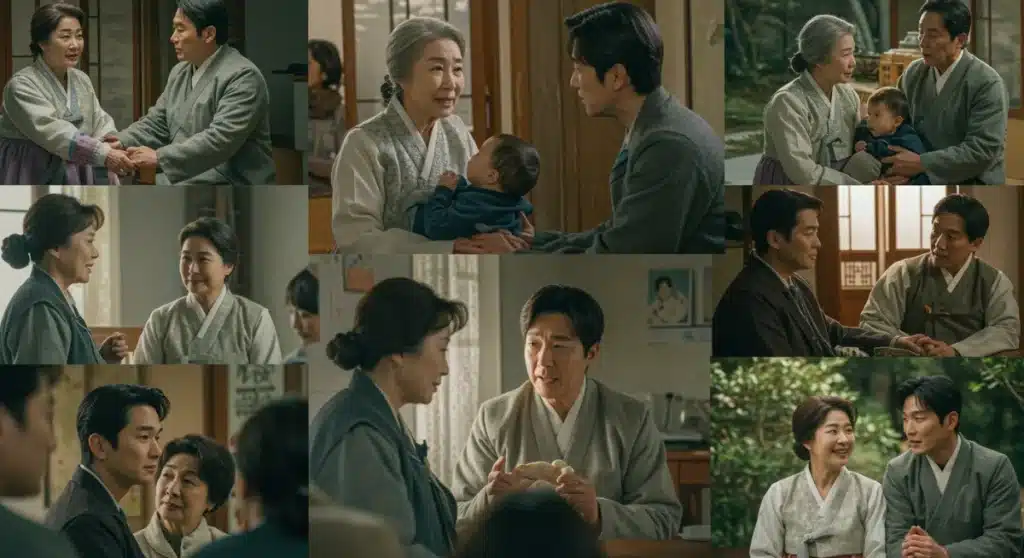
Asian dramas in 2025 vividly illustrate the evolving position of elders, reflecting a nuanced blend of deep-rooted respect and contemporary changes in family structures and societal expectations.
Have you ever wondered how Asian dramas reflect the complex and often deeply emotional roles of elders in their societies? In 2025, these captivating narratives continue to offer a unique window into cultural values, showcasing the intricate balance of respect, tradition, and modern family dynamics. Exploring Asian Dramas Elder Roles allows us to appreciate the subtle shifts and enduring principles that shape intergenerational relationships.
The Enduring Foundation of Filial Piety
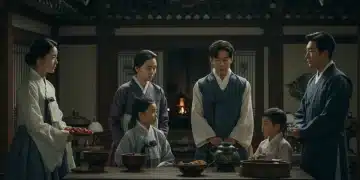
Filial piety, a cornerstone of many Asian cultures for centuries, continues to be a dominant theme in dramas, even as societies undergo rapid modernization. This deep-seated respect for elders, often seen as a moral obligation, dictates many aspects of family life, from decision-making to daily interactions. Dramas frequently portray the profound influence of this principle, illustrating both its beauty and its challenges.
While the expression of filial piety may evolve, its core tenets remain visible. Children are expected to care for their aging parents, honor their wishes, and ensure their well-being. This is not merely a legal or social expectation but a deeply ingrained cultural value that shapes individual identity and family harmony.
Historical Roots and Modern Interpretations
The concept of filial piety originates from ancient philosophies like Confucianism, emphasizing respect, obedience, and care for parents and ancestors. These historical roots provide a rich backdrop for understanding contemporary portrayals.
- Confucian Influence: Dramas often subtly reference Confucian ideals, showing how characters navigate their duties.
- Ancestral Worship: Scenes depicting veneration of ancestors highlight the continuity of family lines and respect for those who came before.
- Intergenerational Expectations: The weight of expectation on younger generations to uphold these traditions is a recurring dramatic device.
In conclusion, filial piety, though ancient in origin, is far from a relic of the past in Asian dramas. It is a living, breathing force that continues to shape narratives, demonstrating the deep-seated cultural reverence for elders and the complex ways it adapts to modern life.
Evolving Family Structures and Elder Care
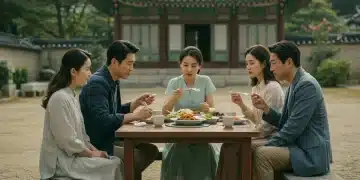
The traditional extended family model, where multiple generations live under one roof, is slowly giving way to nuclear families in many Asian societies. This shift significantly impacts how elder care is approached and depicted in dramas. While the responsibility for elders remains, the practicalities and emotional burdens are explored with greater nuance.
Dramas in 2025 frequently feature elders living alone or in retirement communities, a stark contrast to older depictions. This allows for storylines that delve into themes of loneliness, independence, and the challenges of maintaining family bonds across physical distances. The emotional toll on adult children balancing careers and elder care is also a common and relatable plot point.
Challenges of Modern Elder Care
Modernization brings with it a unique set of challenges regarding elder care, which dramas are increasingly unafraid to tackle head-on. These challenges often form the central conflict of family-focused narratives.
- Financial Strain: The cost of specialized elder care or medical treatments is a significant concern for many families.
- Geographical Distance: Children moving to urban centers for work can create physical separation from their parents.
- Changing Gender Roles: With more women entering the workforce, the traditional role of daughters-in-law as primary caregivers is being re-evaluated.
The evolving family structures are not just a backdrop but an active participant in the narratives of elder roles. Dramas effectively highlight the societal pressures and personal sacrifices involved in upholding filial duties in a rapidly changing world, ultimately portraying a more realistic and multifaceted view of elder care.
Elders as Pillars of Wisdom and Conflict
Elders in Asian dramas are rarely one-dimensional characters; they are often portrayed as wise patriarchs or matriarchs, repositories of cultural knowledge, and sometimes, sources of deep-seated family conflict. Their experience and perspective are invaluable, guiding younger generations through life’s complexities.
However, this wisdom can also manifest as rigid traditionalism, leading to clashes with younger characters who embrace modern ideals. These intergenerational conflicts are fertile ground for dramatic tension, exploring themes of obedience, rebellion, and the search for individual identity within the confines of family expectations. The elders’ decisions, often made with the family’s honor or future in mind, can have far-reaching consequences.
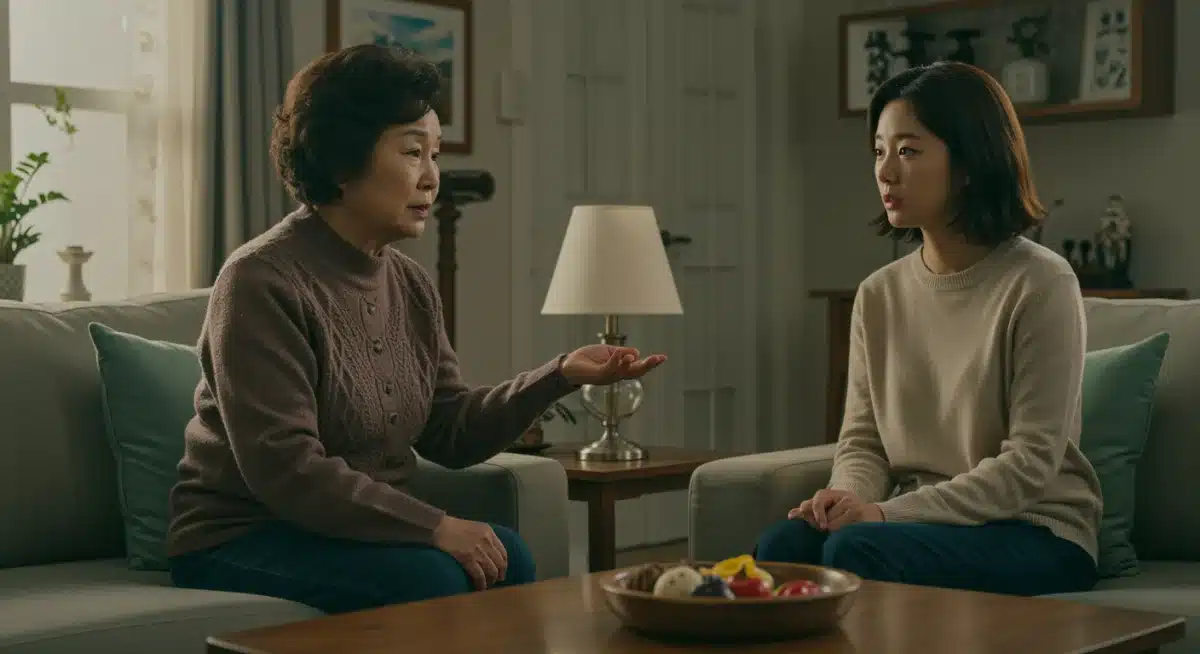
The portrayal of elders as both a source of strength and a catalyst for conflict adds depth and realism to the narratives. Their experiences offer valuable lessons, but their adherence to tradition can also create significant hurdles for the younger characters navigating a different world. This duality makes their characters particularly compelling.
Intergenerational Dynamics in Storytelling
The interplay between generations is a central element of many Asian drama plots, providing rich character development and thematic exploration.
- Mentorship: Elders often serve as mentors, imparting life lessons and traditional skills to their grandchildren.
- Bridging Past and Present: They act as a link to historical events and cultural heritage, grounding the narrative.
- Source of Humor: Their traditional ways can sometimes be a source of comedic misunderstandings with the tech-savvy youth.
Ultimately, elders in these dramas are complex figures who embody both the timeless wisdom of their culture and the potential for friction when tradition meets modernity. Their roles are crucial in driving the plot and exploring the nuances of family relationships.
Gendered Expectations and Elder Women’s Roles
The roles of elder women in Asian dramas are particularly multifaceted, often reflecting deep-rooted societal expectations regarding gender, family, and power. While elder men are frequently depicted as authoritative figures, elder women, especially matriarchs, wield significant influence within the domestic sphere and often serve as the emotional anchors of the family.
These dramas illuminate the sacrifices elder women often made for their families, highlighting their resilience and unspoken strength. From managing household finances to mediating disputes, their contributions are immense, though not always overtly recognized. However, their experiences also expose the limitations and pressures placed upon them by traditional gender roles.
Matriarchs and Their Influence
Matriarchs, in particular, hold a unique position, often steering the family’s direction and upholding traditions, sometimes with an iron fist.
- Emotional Backbone: They are frequently the ones who hold the family together through crises.
- Gatekeepers of Tradition: Matriarchs often enforce cultural norms and expectations, especially regarding marriage and family honor.
- Hidden Power: Their influence is often subtle but profound, shaping decisions from behind the scenes.
The depiction of elder women in Asian dramas provides a powerful commentary on gender roles within these societies. Their stories are a testament to their strength and resilience, while also subtly critiquing the societal structures that shaped their lives and continue to influence their roles in the family.
Societal Commentary Through Elder Characters
Beyond individual family dynamics, elder characters in Asian dramas often serve as a powerful vehicle for societal commentary. Their experiences reflect broader social issues, such as the impact of rapid economic development, changing values, and the challenges of aging in a modern world. Through their stories, dramas can subtly critique or celebrate aspects of contemporary society.
For example, dramas might explore the struggles of elders who are left behind in rural areas as their children move to cities, or the difficulties they face adapting to new technologies. Conversely, they can also highlight the invaluable contributions elders make to their communities, showcasing their continued relevance and wisdom in a fast-paced world. These narratives resonate deeply with audiences, fostering empathy and encouraging reflection on societal responsibilities.
Themes Explored Through Elders
Elders’ narratives often touch upon critical societal themes, making them more than just family members, but symbols of societal shifts.
- Urbanization Impact: Dramas show the challenges elders face when their traditional environments disappear or change.
- Economic Disparity: The financial struggles of some elders, particularly those without strong family support, are frequently depicted.
- Generational Gaps: The cultural and technological divide between elders and youth is a common source of both humor and poignant moments.
In essence, elder characters are not just players in a family drama; they are mirrors reflecting the larger societal landscape. Their personal journeys become collective statements about the challenges and triumphs of aging in a rapidly evolving Asian context, offering valuable insights into cultural resilience and adaptation.
2025 Trends: Shifting Portrayals and Global Influence
As we look at 2025, Asian dramas are showing an increasing trend towards more nuanced and progressive portrayals of elders. The influence of global media and changing domestic audiences means that characters are less often confined to traditional stereotypes. There’s a growing appreciation for elders as independent individuals with their own desires, dreams, and even romantic lives.
Modern dramas are also exploring topics like elder abuse, mental health in old age, and the role of elders in LGBTQ+ families, pushing boundaries and challenging conventional narratives. The global popularity of Asian dramas means these evolving portrayals are reaching a wider audience, subtly influencing perceptions of aging and family dynamics worldwide. This cross-cultural dialogue enriches the understanding of both Asian societies and universal human experiences.
Emerging Themes in Recent Dramas
The landscape of Asian dramas in 2025 is dynamic, with new themes and character arcs for elders gaining prominence.
- Independent Elders: More stories focus on elders pursuing hobbies, careers, or new relationships after retirement.
- Mental Health Awareness: Dramas are beginning to address issues like dementia and depression in older characters with sensitivity.
- Cross-Cultural Perspectives: As Asian dramas gain international appeal, they sometimes incorporate elements that resonate with global audiences while retaining cultural specificity.
The trends in 2025 indicate a richer, more diverse representation of elders in Asian dramas. These portrayals not only entertain but also contribute to a deeper understanding of aging and family in a globalized world, challenging viewers to re-examine their own perceptions. The narratives are becoming more inclusive and reflective of the multifaceted realities of modern life.
| Key Aspect | Description in Dramas |
|---|---|
| Filial Piety | Continues as a core value, adapting to modern societal changes but deeply influencing family dynamics. |
| Family Structures | Shifting from extended to nuclear, impacting elder care and living arrangements. |
| Elder Archetypes | Portrayed as both wise guides and sources of traditional conflict, especially matriarchs. |
| Societal Commentary | Elders’ stories reflect broader issues like urbanization, economic gaps, and generational shifts. |
Frequently Asked Questions About Elders in Asian Dramas
Elder women are often depicted as powerful matriarchs, emotional anchors, and guardians of tradition within the domestic sphere. Elder men are usually portrayed as authoritative figures, heads of the family, and sources of wisdom or rigid traditionalism, often with significant societal influence.
Yes, filial piety remains a foundational theme. While its expression adapts to modern contexts, the core values of respect, care, and obedience to elders are consistently explored, highlighting both its enduring importance and the challenges of upholding it in contemporary society.
The shift from extended to nuclear families means elders are often shown living independently or in specialized care. Dramas explore themes of loneliness, the burden of care on adult children, and the adaptation of traditional support systems to modern living arrangements, reflecting societal changes.
Absolutely. Intergenerational conflict is a common and powerful dramatic device. It arises from clashes between traditional values and modern ideals, often revolving around career choices, marriage, and lifestyle. These conflicts drive much of the emotional depth and plot development in family dramas.
Yes, 2025 sees more nuanced portrayals. Elders are increasingly shown as independent individuals with personal aspirations, even romantic lives. Dramas are also tackling sensitive topics like elder abuse, mental health, and their roles in diverse family structures, reflecting a more progressive approach.
Conclusion
The landscape of Asian dramas in 2025 provides an invaluable and compelling mirror to the complex and evolving roles of elders within their societies. Through intricate narratives and deeply drawn characters, these series illuminate the enduring principles of respect and filial piety, while simultaneously exploring the challenges and adaptations brought about by modernization. From the shifting dynamics of family structures to the profound influence of matriarchs and patriarchs, Asian dramas offer a rich tapestry of human experience, fostering a deeper understanding of cultural values and the universal journey of aging.