J-Drama’s Karoshi: Decoding Work Culture & 2025 Onscreen Solutions
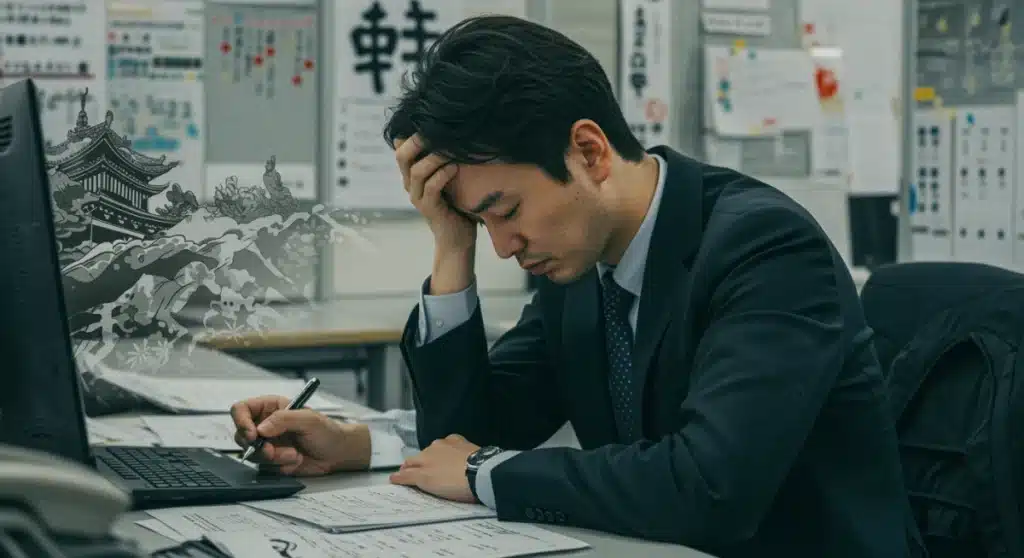
J-dramas frequently illuminate the demanding nature of Japanese work culture, including the phenomenon of karoshi, offering critical perspectives on societal pressures and evolving narrative approaches for future onscreen portrayals.
The intricate tapestry of Japanese society is often reflected vividly in its popular culture, particularly in J-dramas. These series offer a compelling, albeit sometimes dramatized, look into the daily lives, struggles, and triumphs of individuals navigating a unique cultural landscape. One of the most stark and frequently discussed aspects is the nation’s demanding work ethic, which has given rise to the tragic phenomenon known as karoshi, or death from overwork.
Understanding the ‘Karoshi’ Phenomenon in Japan
Karoshi, a term coined in the 1980s, describes sudden death attributed to overwork. This isn’t merely a medical term; it represents a deep societal issue rooted in Japan’s post-war economic boom and the cultural emphasis on dedication and loyalty to one’s employer. The relentless pursuit of corporate success often comes at a steep personal cost, leading to chronic stress, heart attacks, strokes, and even suicide.
The concept extends beyond physical collapse, encompassing mental health crises induced by extreme pressure and long hours. Recognizing karoshi is crucial for understanding the broader implications of Japan’s work culture, as it highlights systemic issues that affect millions of workers.
Historical context and societal pressure
Japan’s rapid economic growth after World War II fostered a culture where sacrificing personal life for company advancement was lauded. This deeply ingrained ethos meant employees often felt compelled to work excessive overtime, forgo vacations, and prioritize their jobs above all else. The collective good of the company frequently overshadowed individual well-being, creating an environment where overwork became normalized.
- Post-war reconstruction: The drive to rebuild instilled a powerful work ethic.
- Seniority system: Loyalty and long tenure were rewarded, encouraging extended hours.
- Group harmony: Pressure to conform and not leave before superiors.
- Economic climate: Intense competition fostered a ‘work harder’ mentality.
These historical and societal factors created a complex web of expectations that continue to influence contemporary Japanese workplaces. While there have been efforts to reform these practices, the legacy of this intense work culture persists.
Ultimately, understanding karoshi requires acknowledging its historical roots and the pervasive societal pressures that have perpetuated it. It is not an isolated incident but a symptom of deeply embedded cultural norms surrounding work and dedication.
J-Dramas as a Mirror: Portrayals of Work Culture
J-dramas serve as powerful cultural mirrors, reflecting and sometimes challenging the realities of Japanese society. The depiction of work culture, particularly the demanding aspects that can lead to karoshi, is a recurring and significant theme. These series often humanize the statistics, bringing the emotional and physical toll of overwork to the forefront.
From office comedies to intense psychological thrillers, J-dramas explore various facets of the corporate world, showcasing the long hours, hierarchical structures, and unspoken expectations that define many Japanese workplaces. They offer viewers, both domestic and international, a glimpse into the everyday struggles faced by employees.
Common narrative tropes and character archetypes
Many J-dramas feature specific narrative tropes and character archetypes related to work. The perpetually exhausted salaryman, the ambitious female professional battling sexism, and the young newcomer struggling to adapt to corporate rigidity are common figures. These characters often embody the pressures and sacrifices inherent in the system.
- The dedicated salaryman: Often works late, misses family events, and prioritizes work.
- The struggling intern: Faces immense pressure to prove themselves and conform.
- The resilient female professional: Navigates gender biases while striving for success.
- The burnout victim: A character who eventually cracks under the pressure, highlighting karoshi risks.
These portrayals are not merely entertainment; they often spark discussions about work-life balance, mental health, and the future of corporate Japan. They allow viewers to empathize with characters facing similar dilemmas in their own lives.
The consistent appearance of these themes in J-dramas underscores their relevance and the ongoing societal conversation about work culture. The dramas often act as a social commentary, encouraging reflection and potential change.
Analyzing J-Drama Representations of ‘Karoshi’
When J-dramas tackle karoshi, they often do so with a blend of realism and dramatic flair, aiming to educate and evoke empathy. These narratives typically delve into the individual stories behind the phenomenon, illustrating the slow burn of stress and exhaustion that culminates in tragedy. Such portrayals are crucial for raising awareness both within Japan and globally.
The depiction of karoshi in J-dramas is rarely sensationalized for its own sake. Instead, it is usually presented as a logical, albeit devastating, outcome of systemic issues. Characters are shown battling internal and external pressures, making choices that ultimately lead them down a path of overwork.
Case studies from popular J-dramas
Several notable J-dramas have directly addressed karoshi or its precursors, offering different perspectives. For example, dramas like ‘Hataraku Gon!’ (Working Gon!) might show the lighter side of overwork, while others like ‘Sanctuary’ or even specific arcs in medical dramas depict the darker consequences. These series explore the causes, symptoms, and impact of excessive work.
- The ‘salaryman’ struggle: Highlighting the expectation of long hours and loyalty.
- Mental health impact: Showing characters suffering from depression and anxiety due to work.
- Family disintegration: Portraying the strain overwork puts on personal relationships.
- Corporate indifference: Sometimes depicting companies that fail to protect their employees.
These dramatizations provide a human face to a complex problem, allowing audiences to connect with the characters’ plights. They often explore the ethical dilemmas faced by both employees and employers.
The careful analysis of these J-drama representations reveals a nuanced understanding of karoshi, moving beyond a simple definition to explore its multifaceted impact on individuals and society.
Practical Solutions and Policy Changes in Japan
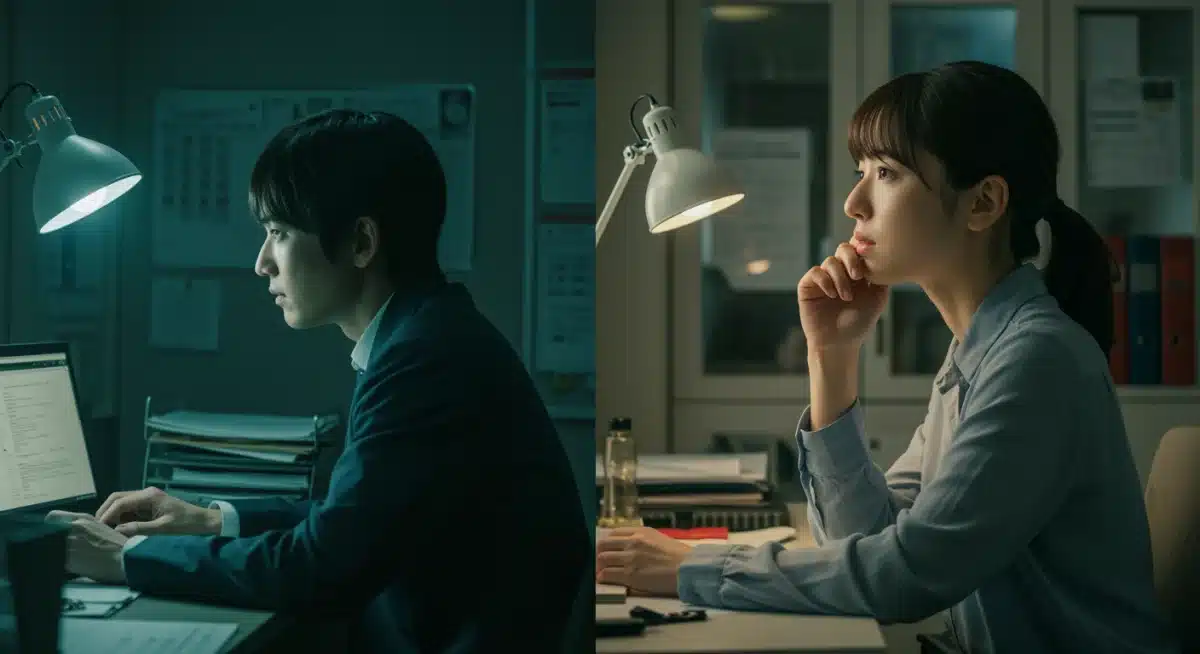
Recognizing the severity of karoshi, Japanese society and government have initiated various policy changes and introduced practical solutions aimed at mitigating its prevalence. These efforts reflect a growing awareness that traditional work practices are unsustainable and harmful. The focus has shifted toward promoting healthier work-life balance and protecting employee well-being.
From legal reforms to corporate initiatives, the landscape of Japanese employment is slowly but surely evolving. While progress can be slow due to deeply ingrained cultural norms, the intent to create a more humane work environment is clear.
Government initiatives and corporate reforms
The Japanese government has implemented several measures, such as stricter regulations on overtime hours and increased penalties for companies that violate labor laws. The ‘Premium Friday’ initiative, though not universally adopted, aimed to encourage employees to leave work early on the last Friday of each month. Many companies are also independently adopting reforms.
- Overtime caps: Legal limits on monthly and annual overtime hours.
- Mandatory vacation: Encouraging or mandating employees to take paid leave.
- Work-style reform laws: Comprehensive legislation promoting flexible work.
- Mental health support: Increased availability of counseling and support services.
Corporate reforms include introducing flextime, remote work options, and promoting a culture where employees are not shamed for leaving on time. These changes indicate a significant shift from the previous ‘work at all costs’ mentality.
These practical solutions and policy changes, though challenging to implement across an entire nation, signify a proactive approach to addressing the deep-seated issues that contribute to karoshi.
The Evolving Onscreen Representation of ‘Karoshi’ in 2025
Looking ahead to 2025, the onscreen representation of karoshi in J-dramas is likely to evolve, reflecting both ongoing societal changes and new narrative approaches. As Japan continues to grapple with its demanding work culture, J-dramas will likely offer more nuanced and perhaps more hopeful portrayals, moving beyond mere depiction to explore solutions and individual agency.
The emphasis may shift from simply showing the problem to exploring how characters actively challenge or navigate these systemic issues. This could lead to more empowering narratives that inspire real-world change and thoughtful discussion.
New narrative trends and character development
Future J-dramas may focus more on characters who actively seek work-life balance, challenge corporate norms, or find alternative career paths. There might be an increased focus on entrepreneurial spirits or individuals who prioritize mental and physical health over traditional corporate success. The depiction of supportive workplaces and progressive leadership could also become more prominent.
- Focus on individual resilience: Characters finding ways to cope and thrive.
- Challenging corporate hierarchy: Narratives where younger generations question old norms.
- Exploring flexible work models: Showcasing remote work and freelance careers.
- Emphasis on mental health advocacy: Characters seeking help and promoting well-being.
These evolving representations could offer a more dynamic and less fatalistic view of Japanese work culture, providing audiences with both a reflection of reality and a vision for a healthier future. The goal would be to inspire discussion and positive change.
The onscreen representation of karoshi in 2025 is expected to be more proactive, showcasing not just the problem but also the potential for individual and societal transformation within Japanese work culture.
Navigating Cultural Nuances for Global Audiences
For global audiences, understanding the portrayal of Japanese work culture and karoshi in J-dramas requires navigating significant cultural nuances. What might seem extreme or incomprehensible from a Western perspective is often deeply rooted in Japanese historical, social, and economic contexts. J-dramas act as a bridge, offering insights that go beyond superficial interpretations.
It is important for viewers to approach these narratives with an open mind, recognizing that cultural norms around work, duty, and personal sacrifice differ significantly across regions. This nuanced understanding enhances the viewing experience and fosters greater cross-cultural appreciation.
Bridging the cultural gap in interpretation
International viewers often interpret J-drama work scenarios through their own cultural lens, which can sometimes lead to misunderstandings. Explanations of concepts like ‘gaman’ (endurance) or ‘honne and tatemae’ (true feelings vs. public facade) can help bridge this gap. Contextual information about Japan’s unique employment system is also vital.
- Understanding ‘gaman’: The cultural value of perseverance and patience.
- Hierarchy and respect: The importance of seniority and social standing in the workplace.
- Collective vs. individual: Prioritizing group harmony over personal desires.
- Economic pressures: The historical context of intense competition and dedication.
By providing cultural context, J-dramas not only entertain but also educate, allowing global audiences to grasp the deeper societal implications of issues like karoshi. This fosters a richer and more informed engagement with the content.
Effectively navigating these cultural nuances ensures that global audiences can fully appreciate the depth and complexity of J-drama portrayals of Japanese work culture, including the serious issue of karoshi.
| Key Aspect | Brief Description |
|---|---|
| Karoshi Definition | Death from overwork, a serious societal issue in Japan linked to chronic stress and long hours. |
| J-Drama Portrayals | Series reflect challenging work dynamics, long hours, and the human cost of corporate pressures. |
| Policy Solutions | Government and corporate efforts to cap overtime, promote leave, and support mental health. |
| 2025 Onscreen Trends | Expect more nuanced narratives focusing on solutions, resilience, and work-life balance. |
Frequently Asked Questions About Japanese Work Culture and J-Dramas
Karoshi refers to death from overwork, often due to stress-related illness or suicide. Its prevalence in Japan stems from a deeply ingrained work ethic, historical emphasis on company loyalty, long working hours, and intense societal pressure for dedication since post-war economic growth.
J-dramas often provide a largely accurate, albeit dramatized, portrayal of Japanese work culture. They highlight common issues like long hours, strict hierarchies, and the pressure to conform, reflecting the daily realities and emotional tolls experienced by many employees in Japan.
To combat karoshi, Japan has implemented government-led initiatives like overtime caps and mandatory vacation days. Many companies are also adopting internal reforms such as flexible work schedules, remote work options, and increased mental health support for employees to promote better work-life balance.
By 2025, J-dramas are expected to evolve beyond mere depiction of karoshi. Narratives will likely focus more on characters actively seeking work-life balance, challenging corporate norms, and exploring solutions. This shift will aim to inspire change and provide more hopeful, proactive perspectives on work culture.
Cultural context is crucial because Japanese work norms, such as ‘gaman’ (endurance) and the collective mindset, differ significantly from Western perspectives. Understanding these nuances helps global audiences interpret the characters’ motivations and societal pressures accurately, enriching their appreciation of the drama’s themes.
Conclusion
Decoding Japanese work culture portrayals in J-dramas offers a profound insight into a society grappling with intense professional demands and the tragic consequences of karoshi. These series are more than just entertainment; they are vital cultural touchstones that reflect and influence societal discourse. As we look towards 2025, the evolution of these onscreen representations promises a more nuanced and solution-oriented approach, moving beyond mere depiction to inspire positive change. For global audiences, engaging with these narratives through a culturally sensitive lens not only enhances understanding but also fosters a deeper appreciation for the complexities of human experience within different societal frameworks. The ongoing dialogue sparked by J-dramas about work-life balance, mental health, and corporate responsibility remains critical for both Japan and the world.