2026: Record Year for Asian Drama Acquisitions by U.S. Platforms

2026 is poised to be a record year for U.S. platforms acquiring Asian dramas due to a confluence of increasing global demand, competitive streaming market dynamics, and strategic content diversification efforts.
The landscape of entertainment is constantly evolving, and a significant shift has been observed in recent years: the meteoric rise of Asian dramas on the global stage. This trend is not just a passing fad but a profound change in viewer preferences and content consumption. Our analysis: why 2026 is poised to be a record year for Asian drama acquisitions by U.S. platforms delves into the underlying factors driving this unprecedented surge, examining how U.S. streaming giants are strategically positioning themselves to capitalize on this growing demand.
The Global Phenomenon of Asian Dramas
Asian dramas, particularly those from South Korea, China, and Japan, have transcended their regional boundaries to become a global cultural phenomenon. What started as niche content for diaspora communities has blossomed into mainstream entertainment, captivating audiences worldwide with compelling storytelling, high production values, and diverse genres. This widespread appeal is a primary driver for increased acquisition by U.S. platforms.
The narratives often explore universal themes of love, family, ambition, and societal challenges, presented through a unique cultural lens that resonates with viewers from varied backgrounds. The emotional depth and character development found in many Asian dramas offer a refreshing alternative to traditional Western programming, attracting a dedicated and rapidly expanding fanbase.
Increased Exposure and Accessibility
The proliferation of streaming services has dramatically improved access to international content. Platforms like Netflix, Hulu, and Amazon Prime Video have played a crucial role in introducing Asian dramas to a broader U.S. audience. Their investment in subtitling and dubbing has removed language barriers, making these shows more accessible than ever before.
- Netflix’s Global Strategy: Early investments in K-dramas like ‘Kingdom’ and ‘Crash Landing on You’ proved the immense global appetite for Asian content.
- Hulu’s Niche Appeal: Hulu has strategically licensed a variety of J-dramas and C-dramas, catering to specific fan bases.
- Amazon Prime Video’s Expansion: Prime Video is increasingly adding diverse Asian titles to its library, expanding its international content offerings.
The growing availability has created a positive feedback loop: more access leads to more viewership, which in turn encourages platforms to acquire even more content. This cycle is expected to intensify by 2026, solidifying Asian dramas as an indispensable part of streaming libraries.
In conclusion, the global phenomenon of Asian dramas is not merely about their captivating stories but also about the strategic efforts of streaming platforms to make this content universally accessible. This foundation of widespread appeal and easy access is a critical factor in projecting 2026 as a record year for acquisitions.
Shifting U.S. Viewer Demographics and Preferences
The U.S. audience is becoming increasingly diverse, and its entertainment preferences are evolving accordingly. Younger generations, in particular, are more open to international content and less bound by traditional viewing habits. This demographic shift is a key reason why 2026 will see a surge in Asian drama acquisitions.
Millennials and Gen Z have grown up in a globally connected world, exposed to diverse cultures and media through the internet. They are proactive in seeking out new and exciting content, often discovering Asian dramas through social media, fan communities, and recommendations from friends. This organic growth in interest is a powerful indicator of future demand.
Beyond K-Pop: The Broad Appeal of K-Dramas
While K-pop initially served as a gateway for many U.S. viewers into Korean culture, K-dramas have since carved out their own significant space. Their diverse genres, ranging from romantic comedies and historical epics to thrillers and sci-fi, offer something for every taste.
- Romantic Comedies: Universally appealing narratives with charming leads and engaging plots.
- Historical Dramas: Richly detailed productions offering a glimpse into Korean history and culture.
- Thriller and Mystery: Often featuring intricate plots and unexpected twists that keep viewers on the edge of their seats.
The success of shows like ‘Squid Game’ demonstrated that high-quality, culturally specific content can achieve massive global success, proving that language and cultural differences are no longer significant barriers for a U.S. audience hungry for fresh narratives. This success story encourages further investment.
The evolving tastes of U.S. viewers, particularly among younger demographics, are creating a fertile ground for Asian dramas. Their openness to diverse narratives and the proven track record of these shows are strong indicators that U.S. platforms will continue to ramp up acquisitions in 2026 to meet this expanding demand.
The Competitive Streaming Landscape and Content Diversification
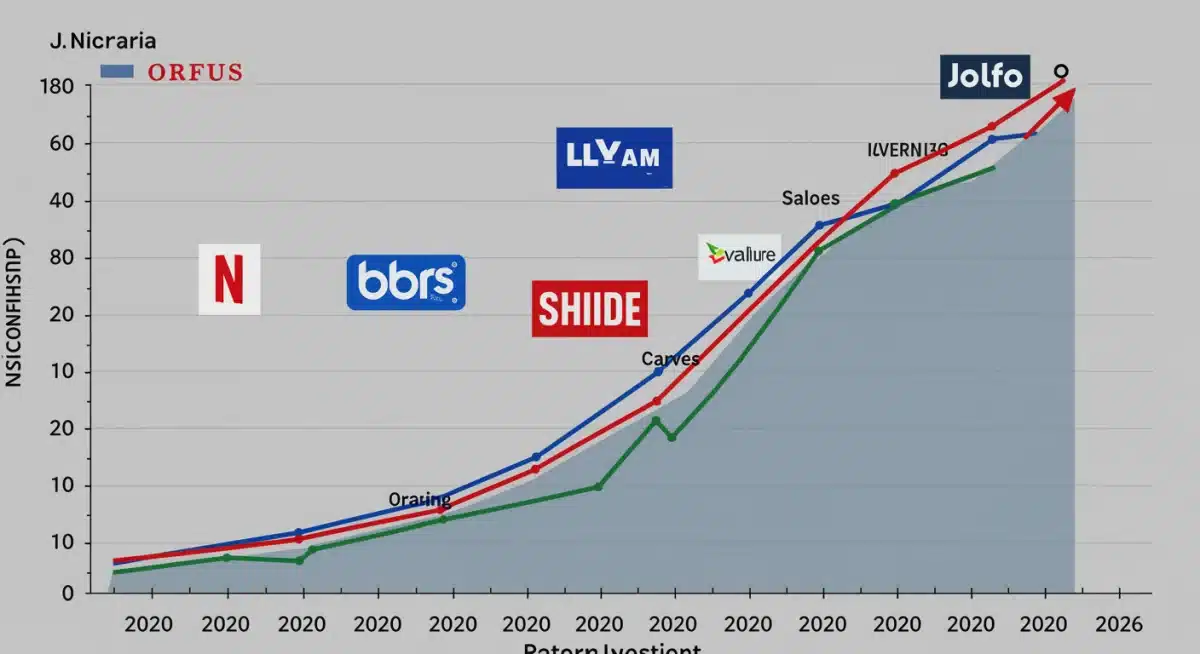
The streaming wars are intensifying, with platforms constantly vying for subscriber attention and loyalty. In this fiercely competitive environment, unique and compelling content is the ultimate differentiator. This pressure to stand out is a major factor contributing to the projected record year for Asian drama acquisitions in 2026.
U.S. platforms are realizing that relying solely on Western productions limits their growth potential. By diversifying their content libraries with Asian dramas, they can attract new subscribers, reduce churn, and offer a more comprehensive entertainment experience. This strategy is not just about quantity but also about offering quality and variety that appeals to a global audience.

Cost-Effectiveness and High Return on Investment
Compared to producing original high-budget Western series, acquiring licensing rights for successful Asian dramas can often be more cost-effective while still delivering a high return on investment. Many Asian dramas come with established fanbases and proven viewership numbers in their home markets, reducing the risk for acquiring platforms.
- Lower Production Costs: While still high quality, many Asian productions can be acquired at a fraction of the cost of a comparable U.S. series.
- Established Fanbase: Dramas often bring pre-existing fans to the platform, boosting subscriber numbers.
- Global Appeal: Content that resonates globally maximizes reach and justifies investment across multiple markets.
This economic advantage allows platforms to expand their content offerings significantly without overextending their budgets. The strategic value of these acquisitions is becoming increasingly apparent, making them an attractive option for platforms looking to gain an edge.
Ultimately, the intense competition within the streaming sector is pushing U.S. platforms to innovate their content strategies. Diversifying with Asian dramas offers a cost-effective way to attract and retain subscribers, making 2026 a pivotal year for these strategic acquisitions.
Technological Advances and Localization Efforts
Technological advancements have played a pivotal role in bridging the gap between Asian content and U.S. audiences. Improved localization efforts, particularly in subtitling and dubbing, have made these dramas far more accessible and enjoyable for non-native speakers. These ongoing improvements will further fuel acquisitions by 2026.
The quality of subtitles has improved dramatically, moving beyond literal translations to capture cultural nuances and colloquialisms, enhancing the viewing experience. Similarly, dubbing technology has advanced, offering more natural-sounding voiceovers that maintain the original performance’s integrity. These efforts are crucial for mainstream adoption.
AI-Powered Translation and Dubbing
The emergence of AI-powered translation and dubbing tools is set to revolutionize content localization. These technologies can significantly reduce the time and cost associated with preparing international content for global release, enabling platforms to acquire and deploy more Asian dramas rapidly.
- Faster Turnaround: AI can translate and dub content much quicker than traditional methods, speeding up release schedules.
- Cost Reduction: Automation lowers the expenses associated with localization, making more acquisitions feasible.
- Scalability: Platforms can process a larger volume of content for various markets simultaneously.
By 2026, these AI tools are expected to be highly sophisticated, allowing U.S. platforms to effortlessly incorporate a wider array of Asian dramas into their libraries, catering to diverse linguistic preferences within their audience. This technological push is a game-changer for content acquisition.
In summary, technological advancements, especially in AI-driven localization, are dismantling barriers to entry for Asian dramas in the U.S. market. These innovations will streamline the acquisition and distribution process, making 2026 a landmark year for platforms expanding their international content.
The Rise of Original Co-Productions and Strategic Partnerships
Beyond simple licensing, U.S. platforms are increasingly engaging in original co-productions and strategic partnerships with Asian production companies. This deeper level of collaboration signifies a long-term commitment to Asian content and is a strong indicator for record acquisitions in 2026.
These partnerships allow U.S. platforms to have a greater say in the creative process, tailoring content to appeal to both Asian and Western audiences from inception. It also fosters a more integrated approach to content development, combining the storytelling prowess of Asian creators with the global distribution power and financial backing of U.S. entities.
Benefits of Co-Production
Co-productions offer mutual benefits for both parties. Asian production houses gain access to larger budgets and wider distribution networks, while U.S. platforms secure exclusive, high-quality content that is often culturally authentic and globally appealing.
- Creative Synergy: Blending diverse creative talents leads to innovative and unique narratives.
- Global Appeal: Content designed for both local and international markets maximizes viewership.
- Exclusive Content: Co-productions provide proprietary content that cannot be licensed by competitors.
Examples of successful co-productions, such as those between Netflix and various Korean studios, have demonstrated the immense potential of this model. These collaborations are expected to become more prevalent and sophisticated by 2026, leading to a richer and more diverse offering of Asian dramas.
The strategic move towards original co-productions and deeper partnerships signals a maturing market for Asian dramas. This commitment from U.S. platforms to invest in the creation of new content, rather than just acquiring existing titles, underscores the prediction that 2026 will be a record year for their presence.
Government Support and Cultural Exchange Initiatives
Governments in several Asian countries, particularly South Korea, have actively supported their entertainment industries through various initiatives, recognizing the economic and cultural soft power benefits. These governmental efforts facilitate the production of high-quality dramas and their international distribution, contributing to the acquisition surge expected by 2026.
Cultural exchange programs and trade agreements further open doors for content export. These initiatives often provide funding, tax incentives, and promotional support for dramas looking to enter foreign markets. This proactive approach from Asian governments makes their content even more attractive to U.S. platforms.
Promoting Cultural Export
Countries like South Korea have invested heavily in promoting their cultural products, including K-dramas, as a key component of their national brand. This strategic promotion helps create a global appetite for their content, making it easier for U.S. platforms to market and distribute.
- Government Funding: Subsidies and grants for drama production enhance quality and quantity.
- International Film Festivals: Support for entries in global festivals increases visibility and critical acclaim.
- Marketing Campaigns: National campaigns promote cultural exports, fostering global interest.
These initiatives not only ensure a steady supply of high-quality content but also build a global appreciation for Asian storytelling. The synergy between governmental support and market demand creates an ideal environment for increased acquisitions.
In conclusion, the supportive policies and cultural export initiatives from Asian governments are crucial in fostering a robust drama industry that is ripe for international acquisition. This consistent supply of high-quality, government-backed content will undoubtedly contribute to 2026 becoming a record year for U.S. platform acquisitions.
Future Trends: Niche Markets and Interactive Content
Looking ahead to 2026, the growth in Asian drama acquisitions by U.S. platforms will also be driven by the exploration of niche markets and the development of interactive content. As the mainstream market becomes saturated, platforms will seek out more specialized genres and innovative viewing experiences to capture and retain audiences.
This includes delving into lesser-known Asian drama markets beyond the dominant Korean, Chinese, and Japanese offerings, such as those from Thailand, Taiwan, and the Philippines. These regions offer unique storytelling traditions and fresh perspectives that can attract new segments of the U.S. audience.
Emergence of Interactive Storytelling
The future of streaming is also likely to incorporate more interactive elements, allowing viewers to influence storylines or explore alternative endings. Asian drama creators, known for their innovation, are well-positioned to lead in this space, making their content even more appealing for acquisition.
- Thai BL (Boys’ Love) Dramas: A rapidly growing niche with a devoted global fanbase, offering new acquisition opportunities.
- Taiwanese Romances: Known for their heartfelt narratives and strong character development.
- Philippine Teleseryes: Often featuring dramatic plotlines and strong emotional appeal.
The ability to offer diverse niche content alongside mainstream hits, coupled with potential interactive features, will give U.S. platforms a significant competitive edge. This forward-looking approach ensures sustained growth in Asian drama acquisitions.
The future for Asian drama acquisitions in the U.S. is not just about expanding current trends but also about pioneering new ones. By tapping into niche markets and embracing interactive content, U.S. platforms will solidify 2026 as a record year, continually innovating to meet evolving viewer demands.
| Key Factor | Impact on Acquisitions |
|---|---|
| Global Demand Surge | Increased viewership drives platforms to acquire more content to meet evolving preferences. |
| Streaming Competition | Platforms diversify content with Asian dramas to attract and retain subscribers in a crowded market. |
| Technological Localization | AI-powered translation and dubbing make Asian dramas more accessible and cost-effective to distribute. |
| Strategic Co-Productions | Deeper partnerships with Asian studios ensure exclusive, high-quality content tailored for global appeal. |
Frequently Asked Questions About Asian Drama Acquisitions
U.S. platforms are boosting Asian drama acquisitions due to surging global demand, evolving viewer preferences among younger demographics, intense competition in the streaming market, and the cost-effectiveness of licensing high-quality international content. The unique storytelling and production values also attract new subscribers.
Currently, dramas from South Korea (K-dramas), China (C-dramas), and Japan (J-dramas) are the most sought after. However, there’s growing interest in content from other regions like Thailand, Taiwan, and the Philippines as platforms seek to diversify and tap into niche markets for broader appeal.
Technological advancements, particularly in AI-powered translation and dubbing, are making Asian dramas more accessible and cost-effective to localize. This reduces barriers to entry for U.S. platforms, allowing for faster acquisition and deployment of a wider range of content to a global audience.
Co-productions represent a deeper commitment, allowing U.S. platforms to collaborate with Asian studios from the outset. This results in exclusive, high-quality content tailored for global appeal, blending creative talents, and securing proprietary content that cannot be licensed by competitors, fostering long-term growth.
Yes, the trend is expected to continue and evolve beyond 2026. Factors like sustained global demand, ongoing technological improvements, strategic partnerships, and exploration of niche markets suggest a long-term commitment to Asian dramas. The industry is continuously adapting to consumer preferences and global content strategies.
Conclusion
The projected surge in Asian drama acquisitions by U.S. platforms in 2026 is not merely a statistical anomaly but the culmination of several powerful, interconnected trends. From the undeniable global appeal of Asian storytelling and shifting U.S. viewer demographics to the fierce competition within the streaming market and advancements in content localization, all signs point towards a landmark year. As platforms continue to invest in both licensing existing hits and fostering original co-productions, the integration of Asian dramas into mainstream American entertainment will only deepen, enriching the global media landscape and offering unparalleled choices for viewers worldwide. The strategic foresight demonstrated by these platforms in recognizing and capitalizing on this cultural phenomenon ensures that Asian dramas will remain a vital and growing component of their offerings for years to come.