Global Production Shifts: Impact on U.S. Asian Drama Releases
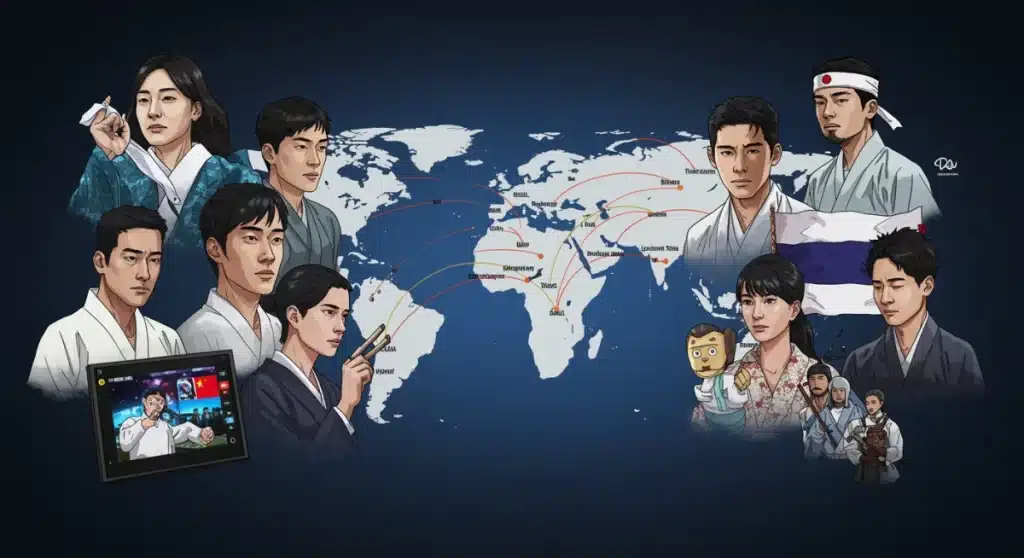
Recent global production shifts are poised to significantly alter the landscape of U.S. Asian drama releases over the next 12 months, influencing content availability, localization efforts, and viewer access.
For avid fans of Korean, Chinese, Japanese, and other Asian dramas in the United States, keeping an eye on industry developments is crucial. This is especially true for understanding how recent Asian drama production shifts will impact U.S. releases over the next 12 months. The global entertainment landscape is constantly evolving, and these changes directly influence what you’ll be watching.
Understanding the Global Production Landscape
The Asian drama industry, a vibrant hub of creativity and innovation, has seen unprecedented growth in recent years. This expansion isn’t just about increasing the sheer volume of content; it’s about the sophisticated interplay of funding, talent, technology, and geopolitical factors that shape where and how dramas are produced. Understanding these foundational elements is key to predicting future trends.
Historically, South Korea has led the charge, with its Hallyu wave captivating audiences worldwide. However, other regions, notably China and Japan, have also significantly ramped up their production capabilities, investing heavily in infrastructure and talent development. These investments are not just about domestic consumption; they are strategically aimed at broader international appeal.
Key Players and Their Strategies
- South Korea: Continues to focus on high-quality narratives and diverse genres, often partnering with global streaming giants.
- China: Emphasizes grand historical epics and fantasy dramas, leveraging its massive domestic market and increasing overseas distribution.
- Japan: Known for its unique storytelling and niche genres, with a growing emphasis on live-action adaptations of popular manga and anime.
- Southeast Asia: Emerging as a significant player, with countries like Thailand and the Philippines producing compelling content gaining international traction.
The strategies employed by these major players are dynamic, often reacting to global demand, technological advancements, and internal market pressures. These elements collectively form the complex tapestry of Asian drama production that ultimately dictates what reaches U.S. screens.
The Rise of Regional Production Hubs
Beyond the traditional powerhouses, we’re witnessing the emergence of new regional production hubs across Asia. This decentralization is driven by several factors, including lower production costs, access to diverse storytelling, and a desire to cultivate local talent and narratives. These burgeoning hubs are not merely supplementary; they are becoming integral to the global supply chain of Asian dramas.
Countries like Thailand, Taiwan, and even Vietnam are increasingly producing high-quality dramas that resonate with international audiences. Their unique cultural perspectives and storytelling approaches offer a refreshing alternative to the more established markets. This diversification is a positive development for viewers, promising a wider array of content.
New Avenues for Content Creation
- Thailand: Gaining popularity for its BL (Boys’ Love) dramas and romantic comedies, attracting a dedicated global fanbase.
- Taiwan: Known for its compelling psychological thrillers and romantic dramas, often with a distinct indie feel.
- Philippines: Expanding its drama output, particularly in family-oriented narratives and youth-centric stories.
The growth of these regional hubs presents both opportunities and challenges. While it enriches the content pool, it also introduces new complexities in terms of distribution, licensing, and localization for the U.S. market. Navigating these new landscapes will be crucial for platforms and distributors.
Funding and Investment Shifts
The financial backbone of Asian drama production has seen significant shifts, with a growing influx of capital from both traditional media companies and tech giants. Streaming platforms, in particular, have become major investors, directly funding original productions and securing exclusive distribution rights. This shift in funding models has profound implications for the scale, quality, and global reach of dramas.
Gone are the days when local broadcasters were the sole financiers. Now, companies like Netflix, Disney+, and Amazon Prime Video are pouring billions into Asian content, recognizing its immense global appeal. This means higher production budgets, attracting top-tier talent, and enabling more ambitious projects that might not have been possible otherwise.
Impact of Streaming Giants
- Increased Budgets: Leads to higher production values, better special effects, and more elaborate sets.
- Global Reach: Dramas are often released simultaneously worldwide, eliminating long waiting times for U.S. audiences.
- Creative Freedom: Funding from streaming platforms can sometimes offer creators more artistic liberty compared to traditional broadcast networks.
These investment shifts are a double-edged sword. While they elevate the quality and accessibility of Asian dramas, they also concentrate power in the hands of a few large platforms, potentially influencing creative decisions and market dynamics. The balance between global investment and local artistic integrity remains a delicate one.
Technological Advancements in Production
Technology plays a pivotal role in the evolution of Asian drama production. From advanced visual effects to innovative filming techniques and post-production processes, technological advancements are enhancing the storytelling capabilities and visual spectacle of these shows. This impacts everything from how stories are conceived to how they are ultimately presented to audiences.
Virtual production, AI-driven editing, and high-definition cinematography are becoming increasingly common, allowing creators to push boundaries and deliver immersive experiences. These innovations not only improve the aesthetic quality of dramas but also streamline production workflows, potentially reducing costs and turnaround times.
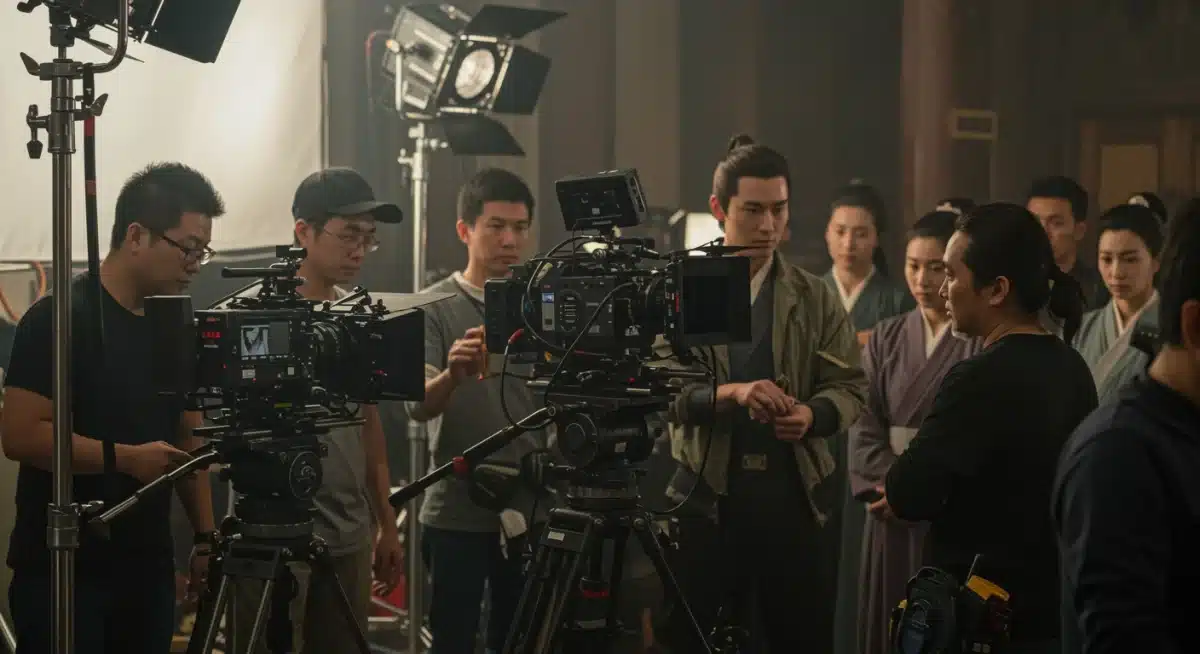
The adoption of cutting-edge technology is particularly noticeable in genres like fantasy and sci-fi, where intricate worlds and complex characters demand sophisticated visual treatments. This commitment to technological excellence ensures that Asian dramas remain competitive on the global stage.
Innovations Shaping Content Creation
- Virtual Production: Utilizes LED screens for dynamic backgrounds, reducing the need for extensive location shooting.
- AI in Post-Production: Assists with tasks like color grading, sound mixing, and even facial de-aging, speeding up workflows.
- 4K/8K Cinematography: Delivers stunning visual clarity and detail, enhancing the viewing experience on modern screens.
These technological leaps are not just about flash; they are about enabling new forms of storytelling and making productions more efficient. For U.S. viewers, this means access to visually richer and more polished Asian dramas, further blurring the lines between regional and global entertainment standards.
Geopolitical Factors and Censorship
The intricate web of geopolitical relationships and domestic censorship policies significantly influences Asian drama production and its subsequent release in the U.S. Trade tensions, cultural protectionism, and governmental regulations can create hurdles for international distribution, affecting both the quantity and type of content available.
For instance, content from certain regions might face restrictions or delays due to political sensitivities or differing cultural norms. These factors often necessitate careful navigation by distributors and streaming platforms to ensure compliance while still delivering desired content to U.S. audiences.
Censorship, particularly in countries like China, can lead to self-censorship during production to ensure content passes local regulatory bodies. This can sometimes impact narrative integrity or limit the scope of stories that can be told, which then affects what international audiences eventually see.
Navigating Regulatory Challenges
- Content Adaptation: Dramas may undergo edits or re-dubbing to meet specific cultural or political standards for international release.
- Licensing Complexity: Geopolitical tensions can complicate licensing agreements, delaying or preventing content acquisition.
- Market Access: Some markets may prioritize domestic content, making it harder for international dramas to gain widespread distribution.
These geopolitical and censorship challenges require a nuanced approach from U.S. distributors. Their ability to adapt, negotiate, and understand the intricate political landscapes of Asian countries will directly determine the diversity and timeliness of Asian drama releases in the coming year.
Impact on U.S. Asian Drama Releases Over the Next 12 Months
Considering the confluence of regional shifts, investment trends, technological advancements, and geopolitical factors, the landscape for U.S. Asian drama releases in the next 12 months is set for dynamic change. Viewers can anticipate both exciting new opportunities and potential challenges in accessing their favorite content.
The increased investment from global streaming platforms will likely lead to a greater volume of high-quality, simultaneously released dramas. This means less waiting for subtitles or official distribution. However, this also implies a potential shift towards content tailored for broader international appeal, which might occasionally diverge from purely local narratives.
The rise of regional production hubs will introduce a wider variety of genres and storytelling styles, expanding the palate of U.S. viewers beyond the traditional Korean and Chinese offerings. This diversification promises a richer and more inclusive viewing experience, exposing audiences to new cultures and perspectives.
What U.S. Viewers Can Expect
- More Simultaneous Releases: Reduced lag time between Asian broadcast and U.S. availability.
- Increased Genre Diversity: A broader range of stories from emerging production hubs.
- Higher Production Quality: Enhanced visuals and storytelling due to increased funding and technology.
- Potential for Exclusivity: More content tied to specific streaming platforms, requiring multiple subscriptions.
Ultimately, while the market will become more competitive, these shifts are largely positive for U.S. fans. They promise a future where Asian dramas are more accessible, diverse, and of higher quality than ever before, despite the occasional geopolitical or logistical hurdle.
| Key Impact Area | Brief Description |
|---|---|
| Content Diversity | Increased variety from emerging regional production hubs beyond Korea and China. |
| Release Timelines | More simultaneous global releases due to streaming platform investments. |
| Production Quality | Higher budgets and advanced technology leading to visually superior dramas. |
| Access Challenges | Potential for content exclusivity on specific streaming platforms. |
Frequently Asked Questions About Asian Drama Releases
Global production shifts are likely to increase the availability of new Asian dramas in the U.S., particularly through major streaming platforms. This means more simultaneous releases and a wider array of content from diverse regional hubs, offering viewers more choices than ever before.
Yes, absolutely. The rise of new regional production hubs in Southeast Asia and other areas is leading to a significant increase in genre diversity. U.S. viewers can expect to see dramas with unique cultural perspectives and storytelling styles beyond traditional Korean and Chinese offerings.
Streaming services are pivotal. They are investing heavily in original Asian drama productions and securing exclusive distribution rights. This influx of capital translates to higher production quality, global marketing, and more immediate worldwide releases, including for U.S. audiences.
Yes, geopolitical factors and censorship policies can influence the themes and narratives of Asian dramas. Distributors must navigate these complexities, which might lead to content adaptations or affect the acquisition of certain shows, potentially limiting some types of stories reaching U.S. screens.
Technological advancements, such as virtual production and AI-driven post-production, are enhancing the visual quality and efficiency of Asian drama creation. This means U.S. audiences can anticipate more visually stunning, immersive, and well-produced dramas, pushing the boundaries of storytelling.
Charting the Future of Asian Drama in the U.S.
The evolving landscape of Asian drama production is a testament to its global appeal and dynamic nature. For U.S. viewers, the next 12 months promise an exciting period of increased access, diverse content, and higher production quality, driven by significant shifts in regional focus, investment, and technology. While geopolitical factors may introduce occasional complexities, the overall trajectory points towards a richer and more integrated Asian drama experience, making it an opportune time to be a fan.