Asian Drama Tourism: Financial Impact & Growth by 2026
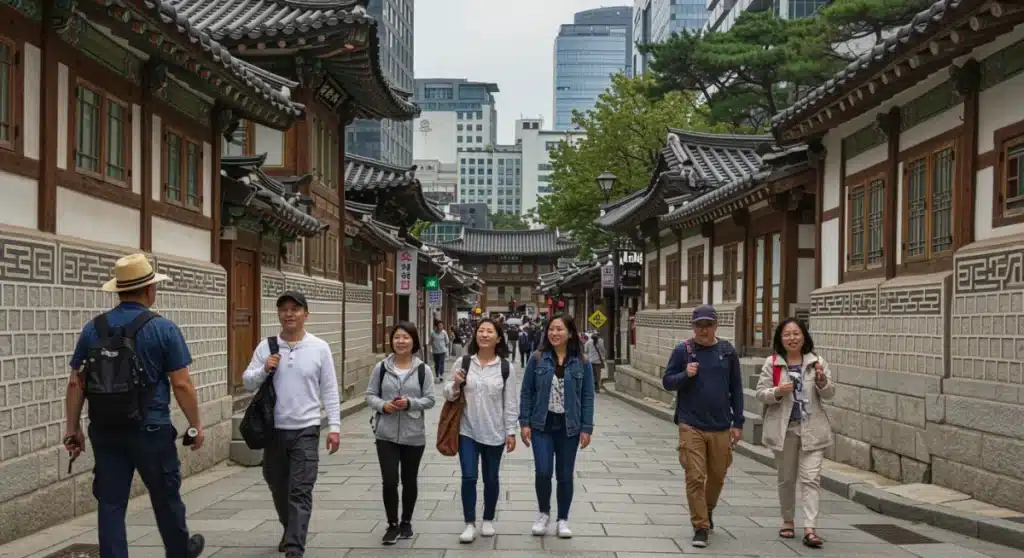
Asian drama tourism is significantly reshaping American travel habits, demonstrating a profound financial impact with an estimated 10% growth by 2026, driven by cultural appreciation and media influence.
The global phenomenon of Asian dramas has transcended entertainment, evolving into a powerful catalyst for tourism. This cultural appreciation is driving a significant shift in American travel habits, with Asian Drama Tourism Impact projected to grow by an estimated 10% by 2026, creating substantial financial implications for both inbound and outbound travel sectors.
The Rise of Hallyu and its Tourist Footprint
The Korean Wave, or Hallyu, spearheaded by K-dramas and K-pop, has profoundly influenced global popular culture, captivating audiences far beyond Asia. This cultural phenomenon has transformed passive viewers into active participants, eager to experience the settings and cultures depicted on screen.
The allure of Hallyu extends beyond mere entertainment; it cultivates a deep curiosity about South Korea’s traditions, cuisine, and modern lifestyle. This curiosity directly translates into a palpable desire to visit the country, turning iconic drama filming locations into pilgrimage sites for fans.
From Screen to Destination: Iconic K-Drama Locations
Numerous locations featured in popular K-dramas have become must-visit spots for American tourists. These sites offer fans a tangible connection to their favorite stories and characters.
- Namsan Tower: A romantic landmark from countless dramas, offering panoramic views of Seoul.
- Bukhansan National Park: Featured in outdoor adventure scenes, attracting hikers and nature lovers.
- Jeju Island: Known for its stunning natural beauty, a frequent backdrop for romantic getaways in dramas.
The economic ripple effect of this tourism is considerable, boosting local businesses, hospitality services, and transportation networks. The demand for guided tours specializing in drama locations has surged, creating new employment opportunities and revenue streams for tour operators.
Chinese and Japanese Dramas: Expanding the Tourist Horizon
While K-dramas often dominate the conversation, Chinese and Japanese dramas are also significantly contributing to the burgeoning Asian drama tourism sector. These series introduce American audiences to a rich tapestry of historical sites, modern cityscapes, and unique cultural practices, inspiring similar travel motivations.
Chinese historical dramas, with their elaborate costumes and breathtaking ancient settings, transport viewers to different eras, sparking an interest in China’s vast historical heritage. Japanese dramas, ranging from contemporary slice-of-life to intricate historical narratives, showcase both the bustling urban centers and the serene traditional landscapes of Japan.
The narrative power of these dramas creates an immersive experience, making the destinations feel familiar and inviting long before a traveler even steps on a plane. This pre-exposure fosters a sense of connection and reduces the perceived barrier of international travel.
Cultural Immersion Beyond the Screen
The desire to visit these locations is often intertwined with a deeper yearning for cultural immersion. Tourists seek to engage with the local culture, try authentic cuisine, and understand the societal nuances portrayed in their favorite shows.
- Exploring traditional tea houses in Kyoto, inspired by J-dramas.
- Visiting ancient palaces in Beijing, seen in C-dramas.
- Participating in cultural workshops like hanbok fitting or cooking classes in Korea.
This engagement enriches the travel experience and provides a platform for cultural exchange, breaking down stereotypes and fostering mutual understanding. The financial benefits extend to local artisans, restaurants, and cultural institutions that cater to these culturally curious tourists.
Economic Impact on American Travel Habits
The growing popularity of Asian drama tourism is directly influencing American travel habits, leading to a noticeable shift in destination preferences. Traditionally, European destinations might have been the primary choice for international travel, but Asian countries are now gaining significant traction.
This shift is not merely about choosing a different destination; it reflects a deeper engagement with diverse cultures. American travelers, particularly younger demographics, are increasingly seeking authentic experiences and cultural learning opportunities, which Asian dramas effectively highlight.
The financial impact is multi-faceted. It includes increased spending on flights, accommodation, local transportation, food, and souvenirs in Asian countries. Concurrently, it stimulates the American travel industry, as agencies and airlines adapt to meet this rising demand, offering specialized tour packages and direct flights.
Data and Projections: A Growing Market
Recent studies and tourism board reports indicate a steady upward trend in American tourist arrivals to key Asian drama hotspots. The projected 10% growth by 2026 underscores a sustained interest and investment in this travel segment.
This growth is fueled by several factors, including increased accessibility of Asian dramas through streaming platforms, social media buzz, and word-of-mouth recommendations. The digital connectivity allows fans to share their travel experiences, further inspiring others to embark on similar journeys.
A significant portion of this growth also comes from repeat visitors, indicating a high level of satisfaction and a desire for continued engagement with the cultures they have come to appreciate through dramas. This loyal fan base provides a stable foundation for future tourism growth.
The Role of Digital Platforms and Social Media
Digital streaming platforms have played an instrumental role in the global spread of Asian dramas, making them readily accessible to American audiences. Services like Netflix, Viki, and Kocowa have curated extensive libraries of K-dramas, C-dramas, and J-dramas, turning casual viewers into dedicated fans.
Social media platforms further amplify this phenomenon, serving as vibrant communities where fans discuss plots, share favorite scenes, and, crucially, post about their drama-inspired travels. Instagram, TikTok, and YouTube are replete with content showcasing drama filming locations, local cuisine, and cultural experiences, creating powerful visual testimonials.
This digital ecosystem fosters a sense of shared experience and aspiration. When fans see others traveling to the places they’ve seen on screen, it normalizes and incentivizes similar trips, turning virtual experiences into real-world adventures. The ease of sharing travel content also means that personal experiences become powerful marketing tools for these destinations.
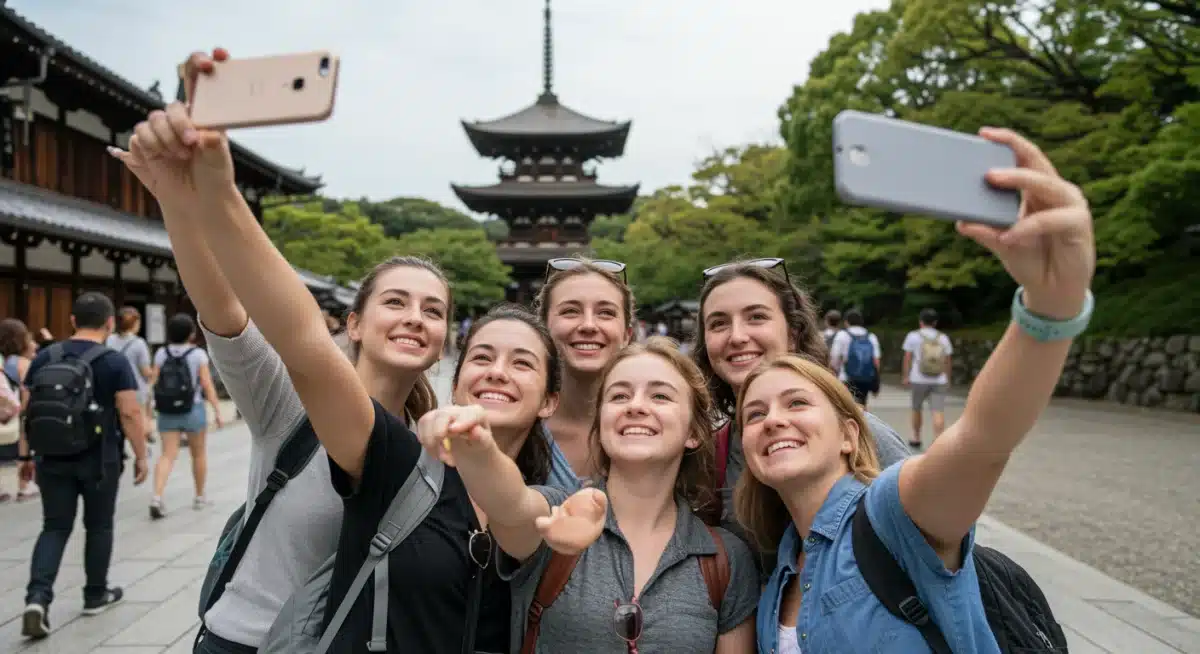
Influencer Marketing and Fan Engagement
Travel influencers and drama enthusiasts leverage their online presence to document their journeys, offering tips and recommendations for fellow fans. This form of organic marketing is highly effective because it comes from trusted sources within the fan community.
- Travel vlogs detailing drama-inspired itineraries.
- Instagram guides to the best photo spots at filming locations.
- TikTok challenges recreating iconic drama scenes at their original sites.
These digital interactions not only inspire travel but also shape expectations and itineraries, guiding tourists to specific sites and activities that resonate with their drama-watching experiences. The continuous cycle of content creation and consumption ensures that Asian drama tourism remains a dynamic and evolving trend.
Challenges and Opportunities for the Tourism Industry
While the growth in Asian drama tourism presents significant opportunities, it also comes with its share of challenges for the tourism industry. Managing increased visitor numbers, preserving cultural sites, and ensuring sustainable tourism practices are paramount.
Destinations must invest in infrastructure to accommodate more tourists, including transportation, lodging, and public facilities. There’s also a need for effective crowd management strategies to prevent damage to historical or natural sites and to maintain a positive experience for both tourists and local residents.
For American travel agencies and tour operators, the opportunity lies in developing specialized packages that cater to this niche market. This includes offering themed tours, language-friendly guides, and curated cultural experiences that align with the interests of drama fans.
Sustainable Tourism and Cultural Preservation
Ensuring the long-term viability of Asian drama tourism requires a commitment to sustainability. This means balancing economic benefits with environmental protection and cultural preservation.
- Implementing visitor limits at sensitive sites.
- Promoting eco-friendly travel options.
- Educating tourists on respectful cultural engagement.
Collaboration between tourism boards, local communities, and drama production companies can create a framework for responsible tourism. This includes channeling tourism revenue back into conservation efforts and supporting local economies in a way that respects cultural integrity. The goal is to maximize the financial impact while minimizing negative externalities, ensuring that the allure of these destinations remains strong for future generations of drama fans.
The Future Landscape of Asian Drama Tourism by 2026
Looking ahead to 2026, the landscape of Asian drama tourism is poised for continued expansion and evolution. The estimated 10% growth is not merely a statistical projection but a reflection of deeper trends in cultural globalization and evolving travel motivations. As more Asian dramas gain international acclaim, the geographic scope of this tourism is likely to broaden beyond the established hotspots.
New emerging destinations, perhaps from Southeast Asian countries like Thailand or Vietnam, whose dramas are also gaining international viewership, could see a similar surge in interest. This diversification would further distribute the economic benefits and offer travelers an even wider array of cultural experiences. Investment in digital infrastructure, including virtual reality tours and enhanced online booking systems, will also play a crucial role in shaping future travel planning and engagement.
The industry will likely see more sophisticated integration of drama content with travel experiences, perhaps involving interactive tours or events that coincide with drama releases or anniversaries. This deeper connection between content and travel will solidify the phenomenon, making it a permanent fixture in the global tourism market. The financial impact will continue to grow, influencing not only the tourism sector but also related industries such as merchandise, food, and cultural exports, further cementing the significance of Asian dramas in the global economy. This sustained growth will require ongoing adaptability from the tourism industry to meet changing demands and maintain the authentic appeal that draws fans in the first place.
| Key Point | Brief Description |
|---|---|
| Projected Growth | Asian drama tourism is estimated to grow by 10% among American travelers by 2026. |
| Cultural Appreciation Driver | Dramas foster deep cultural curiosity, leading to increased travel to East Asian countries. |
| Economic Impact | Boosts local economies in Asia and creates new opportunities for American travel industries. |
| Digital Influence | Streaming platforms and social media are key drivers, inspiring and facilitating drama-related travel. |
Frequently Asked Questions About Asian Drama Tourism
The growth is primarily driven by the widespread popularity of K-dramas, C-dramas, and J-dramas on streaming platforms, fostering a deep cultural appreciation and desire to visit the real-life settings and experience the cultures depicted in these shows.
South Korea, Japan, and China are currently the primary beneficiaries due to the global reach of their drama productions. However, other Southeast Asian countries are also beginning to see increased interest as their dramas gain international viewership.
It creates new opportunities for American travel agencies and airlines to offer specialized tour packages and direct flights to Asian destinations. It also shifts travel preferences, diversifying traditional international travel choices for Americans.
Travelers seek out iconic filming locations, historical sites, modern cityscapes, and authentic cultural experiences such as trying local cuisine, participating in traditional workshops, and exploring the daily life portrayed in their favorite dramas.
Challenges include managing increased visitor numbers, preserving cultural and historical sites from overuse, and ensuring sustainable tourism practices. Infrastructure development and effective crowd management are also critical considerations for host countries.
Conclusion
The burgeoning phenomenon of Asian drama tourism represents a significant and evolving facet of global travel, particularly among American audiences. Driven by the immersive narratives and cultural resonance of K-dramas, C-dramas, and J-dramas, this trend is not merely a fleeting interest but a powerful economic force. With an estimated 10% growth by 2026, the financial impact extends across continents, redefining travel habits, boosting local economies in Asia, and stimulating new opportunities within the American travel industry. As digital platforms continue to amplify cultural appreciation and inspire wanderlust, the future of Asian drama tourism promises a richer, more diverse, and increasingly interconnected world of travel experiences. Navigating this growth responsibly, with a focus on sustainability and cultural preservation, will be key to harnessing its full potential.