Costume to Character: Asian Drama Wardrobe Enhances Acting
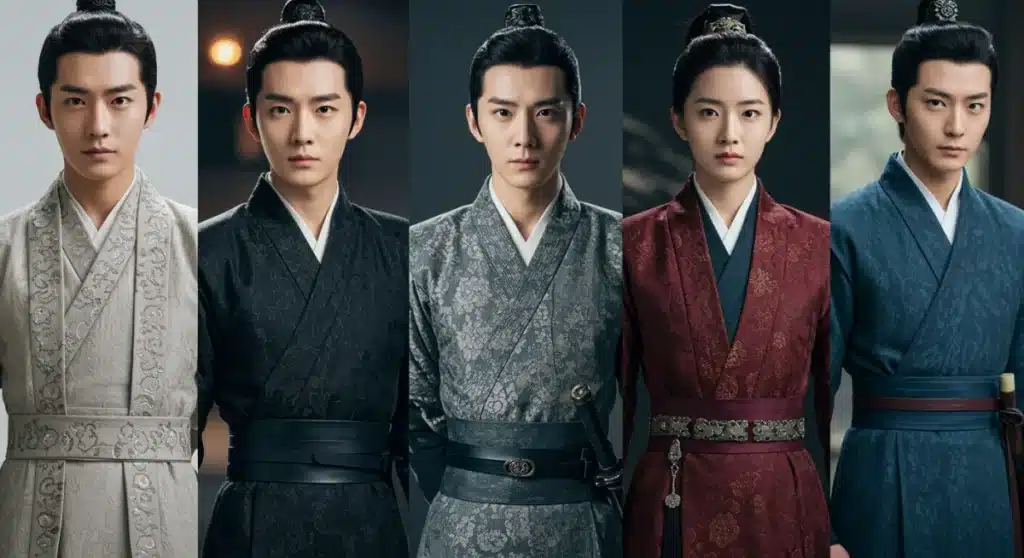
Asian drama actors masterfully utilize wardrobe as a critical tool, transforming visual elements into profound extensions of their characters’ inner lives and narrative journeys within their current series.
Have you ever noticed how a character’s outfit in an Asian drama can tell a story before they even speak? The meticulous attention to detail in costume design often goes beyond mere aesthetics, serving as a powerful narrative device. In the world of Asian dramas, the adage costume character Asian drama is profoundly true, as wardrobe choices are instrumental in shaping an actor’s performance and conveying essential aspects of their role.
The Silent Language of Silk and Steel: Costume as Character Blueprint
Costumes in Asian dramas are far more than just clothes; they are an extension of the character’s identity, status, and emotional state. From the vibrant hanboks of historical Korean dramas to the sleek, modern suits of contemporary Chinese series, every stitch and accessory is carefully chosen to build a believable and evocative persona. This deliberate design process allows actors to inhabit their roles more fully, using the wardrobe as a tangible anchor for their performance.
Consider the historical accuracy and symbolic weight often embedded in traditional attire. A character’s social standing, their allegiance, or even their hidden intentions can be subtly communicated through the fabric, color, and silhouette of their garments. This visual storytelling provides a rich foundation for actors, enabling them to convey nuances without uttering a single word.
Historical Dramas: Weaving Narratives Through Period Attire
In historical Asian dramas, costumes are paramount. They transport viewers to a different era and provide actors with a physical manifestation of their character’s place in history. The weight of heavy robes, the intricate layering, and the specific hairstyles all contribute to an actor’s posture, movement, and overall demeanor.
- Authenticity: Costumes must reflect the period accurately, demanding extensive research from designers.
- Symbolism: Colors, patterns, and accessories often carry deep cultural and social meanings.
- Transformation: Actors physically embody the era, influencing their gait and gestures.
The intricate details of historical costumes, such as elaborate embroidery or specific headwear, require actors to adapt their movements and expressions, further immersing themselves in the role. This physical embodiment is crucial for delivering a convincing performance that resonates with the audience, making the costume an indispensable partner in character development.
Lee Min-ho in “Pachinko”: A Garment of Ambition and Struggle
Lee Min-ho, a global superstar known for his diverse roles, takes on a complex character in “Pachinko.” His wardrobe in this series is a masterclass in subtle yet powerful character development. Portraying Koh Hansu, a Korean man who becomes a wealthy and influential yakuza, his costumes evolve significantly, reflecting his ascent and the internal conflicts he faces.
Initially, Hansu’s attire might appear simple, but it quickly shifts to impeccably tailored suits and luxurious fabrics, signaling his increasing power and status. These garments are not merely expensive; they are a shield, a declaration of his ambition, and a stark contrast to the struggles faced by other Korean immigrants. The crispness of his collars, the gleam of his shoes, and the quality of his coats all speak to a man who has fought hard for his position and is determined to maintain it. Lee Min-ho uses the weight and cut of these clothes to project confidence, authority, and sometimes, a chilling detachment. The way he adjusts his tie or smooths his jacket becomes part of his character’s unspoken communication, revealing a man constantly aware of his image and his place in a hostile world.
Kim Ji-won in “Queen of Tears”: Fashion as a Royal Proclamation
Kim Ji-won’s portrayal of Hong Hae-in in “Queen of Tears” is heavily influenced by her character’s opulent and powerful wardrobe. As a chaebol heiress and the CEO of a department store, her fashion choices are not just about style; they are a strategic extension of her ruthless business acumen and her regal, unapproachable demeanor. Every outfit is a statement of power, wealth, and impeccable taste.
Her wardrobe features high-end designer pieces, sharp silhouettes, and luxurious materials that demand attention. These clothes often reflect her emotional state: severe and structured when she’s in control, and subtly softer as her character undergoes personal transformation. Kim Ji-won’s posture and movements are visibly affected by these garments; she carries herself with an almost aristocratic air, her head held high, her gestures precise. The costumes in “Queen of Tears” highlight the character’s formidable presence, making her a visual spectacle. The array of designer bags, exquisite jewelry, and perfectly coordinated ensembles serve to emphasize her character’s status and the immense pressure she operates under. This visual extravagance helps the audience understand the world she inhabits and the expectations placed upon her, making her eventual vulnerabilities more impactful.
Cha Eun-woo in “A Good Day to Be a Dog”: Casual Comfort, Hidden Depths
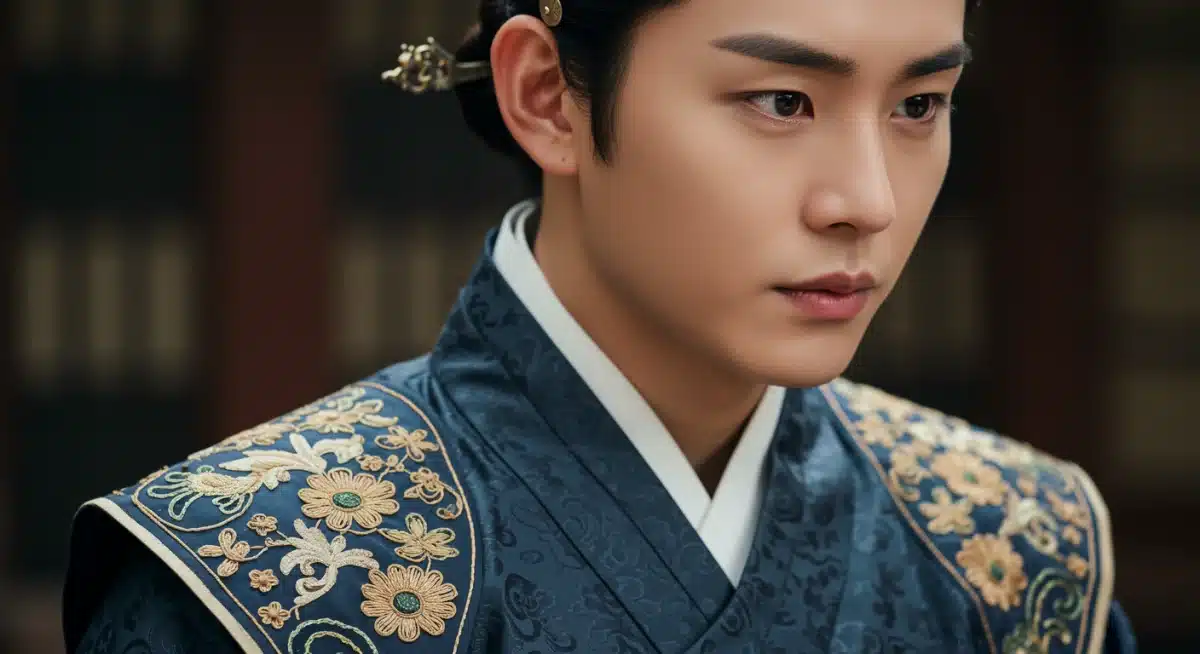
Cha Eun-woo, known for his striking visuals, takes on the role of Jin Seo-won in “A Good Day to Be a Dog.” His character’s wardrobe, while seemingly simple and understated, plays a crucial role in conveying his reserved personality and gradual emotional thawing. As a high school math teacher with a fear of dogs, Seo-won’s initial attire is practical, comfortable, and somewhat nondescript, mirroring his desire to blend in and avoid attention.
His casual sweaters, sensible jackets, and neutral color palette communicate a man who prioritizes comfort and routine over flashy displays. The simplicity of his clothing allows his expressions and subtle emotional shifts to take center stage. As the story progresses and his character begins to open up, there’s a subtle change in his wardrobe—perhaps a slightly brighter color, a more relaxed fit, or an accessory that hints at a burgeoning confidence. Cha Eun-woo uses these clothes to ground his performance, allowing the audience to see beyond his idol image and connect with the character’s quiet strength and evolving vulnerability. The deliberate choice of everyday wear makes him relatable, emphasizing that even seemingly ordinary clothing can be a powerful tool for character development, signaling internal growth rather than external status.
Ahn Hyo-seop in “Business Proposal”: The Power Suit of a CEO
Ahn Hyo-seop’s portrayal of Kang Tae-moo in “Business Proposal” is inextricably linked to his character’s iconic power suits. As a brilliant, workaholic CEO, Tae-moo’s wardrobe is a constant visual reminder of his professionalism, his demanding nature, and his somewhat rigid personality. Each suit is perfectly tailored, often in dark, authoritative colors, projecting an image of unwavering control and immense corporate power.
The Uniform of Authority
Tae-moo’s suits are not just expensive garments; they are his uniform, his armor. They communicate his seriousness and his dedication to his company. Ahn Hyo-seop uses the structured nature of these suits to inform his physical presence, maintaining a stiff posture and deliberate movements that reflect Tae-moo’s disciplined mindset.
- Precision: Every suit is impeccably fitted, reflecting his meticulous personality.
- Formality: His attire emphasizes his high-status corporate role.
- Contrast: The stark formality creates humor when he’s out of his element.
The contrast between his rigid business attire and his more relaxed, albeit still polished, casual wear highlights his duality and the gradual softening of his character. The power suits become a visual shorthand for his initial aloofness, making his eventual moments of vulnerability more endearing. Ahn Hyo-seop leverages these clothes to build a character who is initially intimidating but ultimately charming, demonstrating how wardrobe can effectively support a character’s journey from rigidity to warmth.
Han So-hee in “My Name”: Gritty Realism Through Practical Attire
Han So-hee’s role as Yoon Ji-woo in “My Name” is a stark departure from typical drama heroines, and her wardrobe plays a pivotal role in establishing her character’s gritty, vengeful journey. As a woman who infiltrates a crime syndicate to avenge her father’s death, Ji-woo’s clothing is deliberately practical, understated, and often worn, reflecting her harsh reality and her focus on survival rather than appearance.
Her attire consists mostly of dark, simple clothing—hoodies, t-shirts, and utilitarian pants—that allows for freedom of movement during intense fight scenes and blends into the shadows. The lack of glamour is intentional; it underscores her desperation, her resilience, and her transformation into a hardened fighter. Han So-hee’s performance is deeply intertwined with these practical garments. The way she moves, fights, and even rests in her functional clothes conveys a sense of raw strength and unwavering determination. The scars and dirt that accumulate on her clothing further emphasize the physical toll of her quest, making her character’s struggle palpable.
The absence of elaborate costumes highlights her character’s singular focus on revenge, stripping away superficiality to reveal a core of unyielding resolve. This approach to wardrobe not only enhances the realism of the series but also empowers Han So-hee to deliver a raw and powerful performance, proving that sometimes, less is indeed more when it comes to character portrayal through clothing.
The Craft of Costume Design and Actor Collaboration
The successful integration of costume into character is a testament to the collaborative efforts between costume designers, directors, and the actors themselves. These professionals work tirelessly to ensure that every garment serves a purpose, contributing to the narrative and enhancing the actor’s performance. It’s a delicate balance of aesthetics, practicality, and psychological insight.
Behind the Seams: The Design Process
Costume designers conduct extensive research, often delving into historical archives, cultural nuances, and character backstories to create wardrobes that are both authentic and expressive. Their work involves more than just selecting clothes; it’s about building a visual language for each character.
- Research: In-depth study of historical periods, cultural contexts, and character personalities.
- Collaboration: Close work with directors and actors to align wardrobe with performance goals.
- Evolution: Costumes often change to reflect a character’s growth or decline throughout the series.
Actors, in turn, provide valuable input, sharing how certain fabrics or styles make them feel, and how a particular outfit might influence their movement or emotional expression. This feedback loop ensures that the costumes are not just visually appealing but also functional tools that help actors deliver their best performances. The synergy between design and acting transforms simple clothing into powerful storytelling elements.
| Key Aspect | Impact on Performance |
|---|---|
| Visual Storytelling | Costumes communicate character status, personality, and narrative arcs. |
| Physical Embodiment | Garments influence actor posture, movement, and gestures, aiding immersion. |
| Emotional Resonance | Wardrobe subtlely reflects character’s emotional state and internal conflicts. |
| Authenticity & Symbolism | Historical accuracy and cultural symbols enrich character depth and setting. |
Frequently Asked Questions About Costume and Character in Asian Dramas
Costumes provide actors with a physical representation of their character’s identity, status, and emotional journey. They can influence posture, movement, and even help actors embody the character’s internal state, making the portrayal more authentic and nuanced for the audience.
While many historical Asian dramas strive for accuracy, some may take creative liberties for aesthetic or narrative purposes. However, designers typically conduct extensive research to ensure a high degree of authenticity, especially when specific historical periods are depicted.
Color is a powerful tool in costume design, often symbolizing character traits, emotions, or social status. Vibrant colors might indicate royalty or passion, while muted tones could suggest humility or sorrow. The choice of palette significantly contributes to visual storytelling.
In modern dramas, costume changes can subtly signal a character’s growth, emotional shifts, or changes in their circumstances. A character might transition from casual to formal wear, or adopt a new style that reflects newfound confidence or a complete personality overhaul.
Yes, actors often collaborate with costume designers and directors. Their feedback on how a costume feels or affects their movement is crucial for ensuring that the wardrobe supports their performance and helps them fully immerse themselves in the character’s persona.
Conclusion
The journey from costume to character Asian drama is a fascinating exploration of how visual artistry elevates performance. As we’ve seen through the examples of Lee Min-ho, Kim Ji-won, Cha Eun-woo, Ahn Hyo-seop, and Han So-hee, wardrobe is not merely an accessory but a fundamental element that shapes an actor’s portrayal, communicates narrative nuances, and deepens audience engagement. The meticulous craft of costume design, coupled with the actors’ ability to embody these sartorial choices, creates memorable characters that resonate long after the credits roll, proving that in the world of Asian dramas, every thread tells a story.