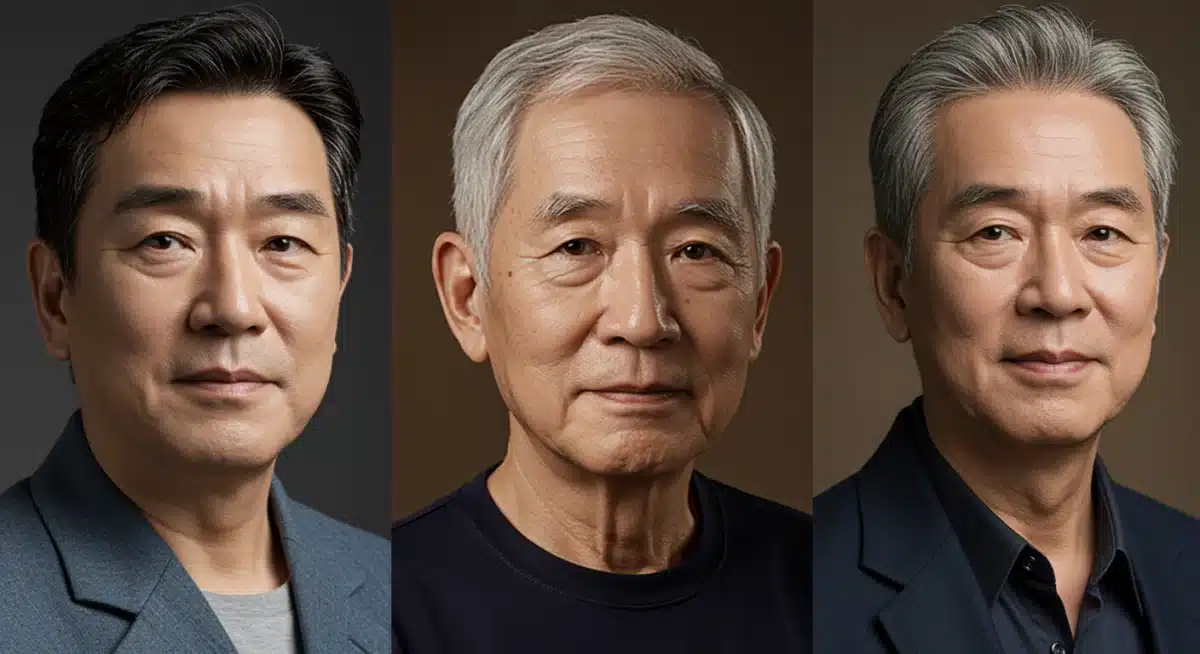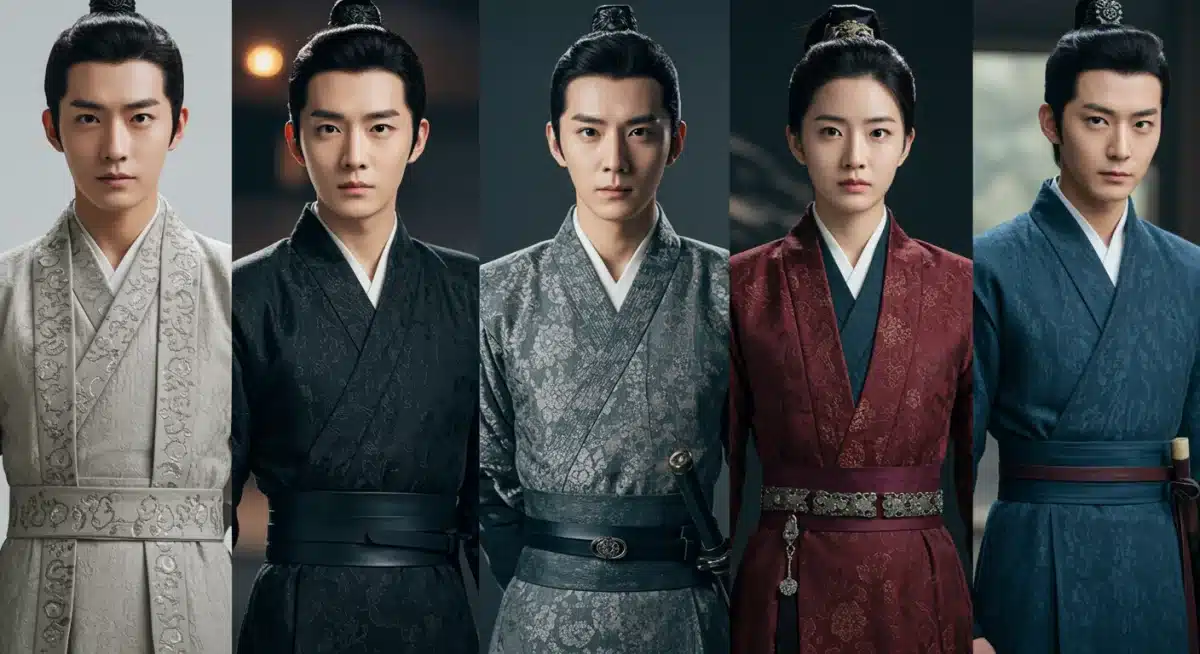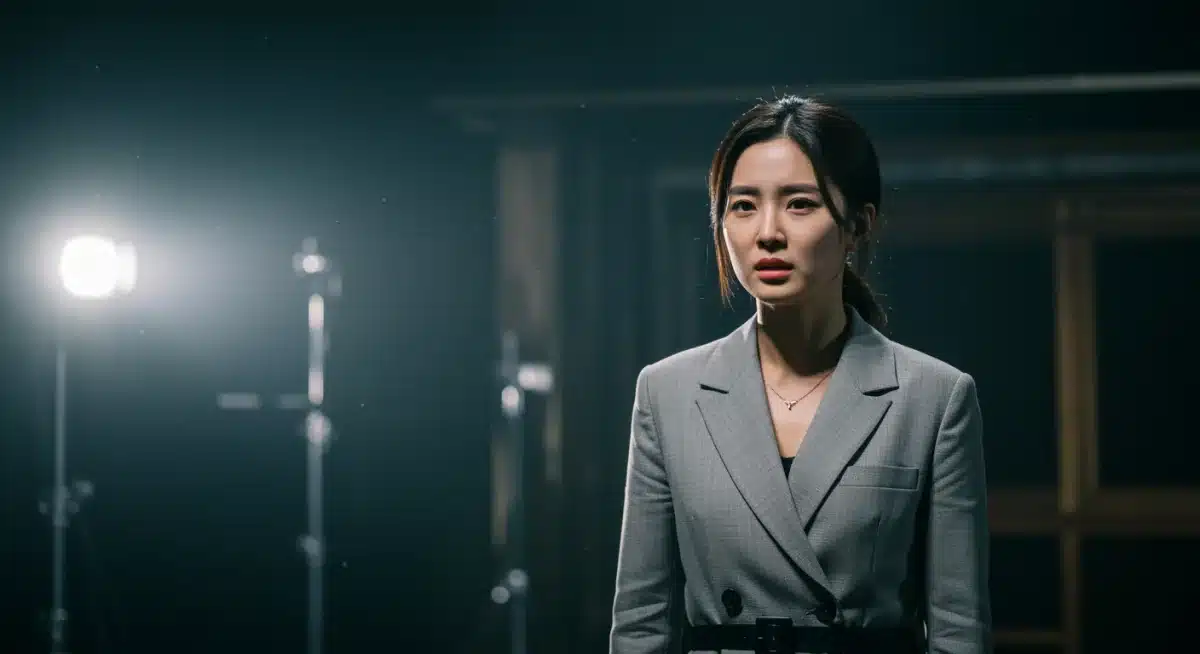
Asian drama stars are meticulously honing three core acting techniques—method acting, nuanced emotional expression, and physical storytelling—to deliver captivating performances in their 2026 roles, pushing boundaries in emotional depth and narrative immersion.
As the world of Asian dramas continues its meteoric rise, captivating global audiences with compelling narratives and stunning visuals, the demands on its stars are evolving. To meet the heightened expectations for their 2026 roles, Asian drama stars are not just relying on charisma; they are delving deep into sophisticated acting methodologies. This article explores the three key acting techniques Asian drama stars are mastering for their 2026 roles, pushing the boundaries of performance and redefining emotional storytelling on screen.
The Resurgence of Method Acting in Asian Dramas
Method acting, a technique where actors fully immerse themselves in their characters’ lives and emotional states, is experiencing a significant resurgence within the Asian drama landscape. This isn’t the method acting of old, but a refined approach tailored to the unique demands of serialized storytelling and cultural nuances. Stars are spending extensive time researching their roles, often living experiences akin to their characters to achieve unparalleled authenticity.
This intense preparation allows for a deeper understanding of the character’s psyche, leading to performances that resonate profoundly with viewers. The goal is to move beyond mere portrayal to actual embodiment, making the character’s journey feel inherently real.
Deep Dive into Character Psychology
Actors are increasingly collaborating with psychologists and behavioral experts to understand the complex motivations and emotional landscapes of their characters. This scientific approach adds layers of realism that traditional acting might miss, especially for roles dealing with trauma, mental health, or intricate interpersonal relationships.
- Extended Research Periods: Stars allocate months to research, including historical contexts, social norms, and specific occupational details relevant to their roles.
- Experiential Learning: Many undertake apprenticeships or spend time in environments mirroring their characters’ lives, from working in a specific profession to living in a rural setting.
- Journaling and Reflection: Actors maintain journals from their character’s perspective, documenting thoughts, feelings, and reactions to various scenarios to internalize the role.
Balancing Immersion with Self-Care
While the depth of method acting can be transformative for a performance, the industry is also recognizing the importance of actor well-being. Modern method acting emphasizes techniques that allow for deep immersion without compromising an actor’s mental health. This includes dedicated debriefing sessions and psychological support, ensuring a healthy separation from intense roles once filming concludes.
The commitment to method acting for 2026 roles reflects a broader industry shift towards valuing psychological depth and authenticity over superficial portrayals. It signals a dedication to delivering performances that are not only entertaining but also emotionally truthful and impactful.
Mastering Nuanced Emotional Expression
In Asian dramas, particularly K-dramas and C-dramas, emotional expression often requires a delicate balance between intensity and subtlety. Over-the-top displays can feel out of place, while too little emotion can leave audiences disengaged. For their upcoming 2026 roles, stars are perfecting the art of nuanced emotional expression, conveying profound feelings through subtle gestures, micro-expressions, and controlled vocal delivery.
This technique is crucial for portraying complex characters whose internal struggles and unspoken desires drive much of the narrative. It allows for a richer, more layered performance that invites viewers to read between the lines and connect on a deeper, more empathetic level.
The Power of Micro-Expressions
Actors are undergoing specialized training to control and utilize micro-expressions effectively. A slight twitch of the lip, a fleeting shadow in the eyes, or a subtle shift in posture can communicate volumes without a single word. This level of control requires immense practice and a deep understanding of human psychology.
- Eye Acting: The eyes are often considered the windows to the soul, and Asian drama stars are experts at conveying complex emotions solely through their gaze, from simmering rage to unspoken affection.
- Controlled Vocal Inflection: Subtle changes in tone, pitch, and pace of speech can dramatically alter the meaning of dialogue, adding layers of subtext to every conversation.
- Body Language as a Narrative Tool: Even seemingly insignificant movements, like the way a hand trembles or a head tilts, are meticulously crafted to enhance emotional storytelling.
Emotional Recall and Imagination
While some actors draw on personal experiences through emotional recall, many are also refining their imaginative capacity. They learn to construct vivid emotional landscapes in their minds, allowing them to access and portray feelings that may not align with their personal history but are essential for the character. This imaginative approach protects the actor while still delivering powerful emotional performances.
The mastery of nuanced emotional expression is a hallmark of truly exceptional Asian drama stars. It allows them to navigate intricate emotional arcs with grace and precision, drawing audiences into the heart of their characters’ experiences without resorting to overt dramatics.
The Art of Physical Storytelling and Movement
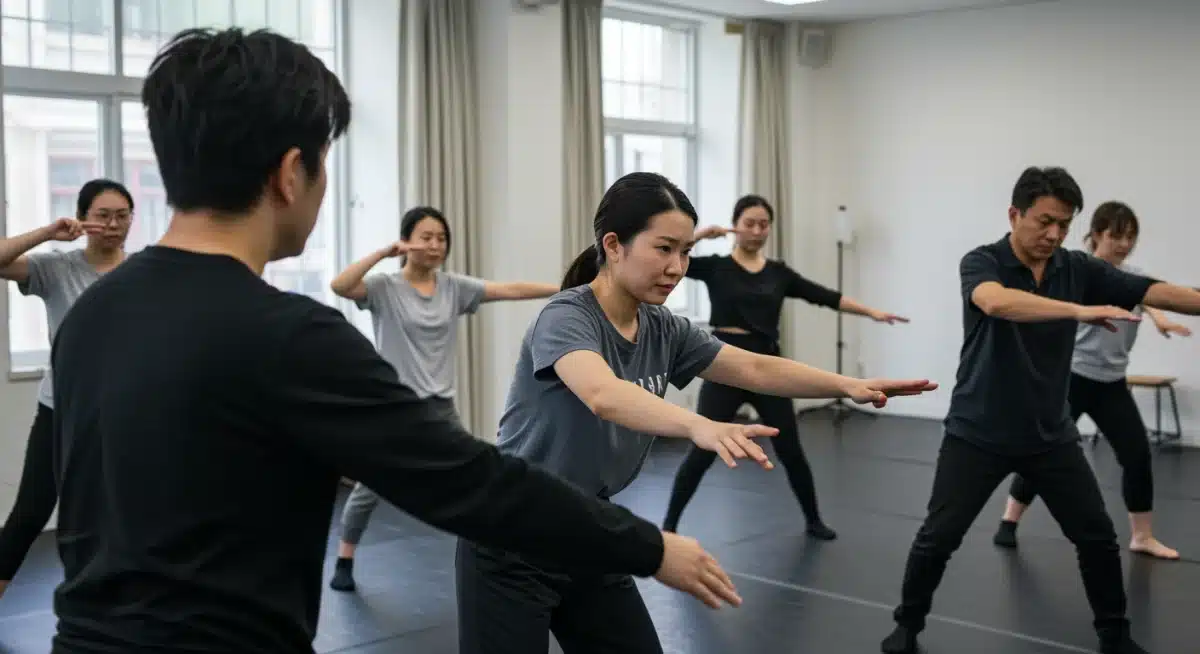
Beyond dialogue and facial expressions, Asian drama stars are increasingly leveraging physical storytelling and movement to enhance their performances for 2026 roles. This encompasses everything from choreographed fight scenes and dance sequences to the subtle ways a character carries themselves or interacts with their environment. The body becomes a powerful tool for conveying personality, emotional state, and narrative progression.
This technique is particularly vital in genres like historical dramas, action thrillers, and fantasy, where physical prowess and expressive movement are integral to the character and plot. However, even in contemporary romances, a character’s posture or gait can reveal much about their inner world.
Choreography and Stunt Work
Many Asian drama stars undergo extensive training in martial arts, dance, and various forms of physical combat. This isn’t just about performing stunts; it’s about making these physical sequences tell a story, conveying character development, conflict, and emotion through movement. The fluidity and precision often seen in these scenes are a testament to months of dedicated practice.
- Integration with Character Arc: Physical movements are designed to reflect the character’s journey, showing growth, vulnerability, or newfound strength.
- Non-Verbal Communication: Fight choreography, for instance, can communicate power dynamics, desperation, or even a hidden affection between characters.
- Specialized Training: Actors work with professional choreographers and stunt coordinators to ensure both safety and narrative impact in physical scenes.
Embodying Character Through Posture and Gesture
Even in scenes without overt action, actors pay meticulous attention to their posture, gait, and habitual gestures. These seemingly small details can powerfully communicate a character’s background, social status, confidence, or anxieties. A slumped shoulder can speak of defeat, while an open, expansive gesture can convey power and authority.
The art of physical storytelling ensures that even when a character is silent, their body is actively contributing to the narrative, providing visual cues that enrich the audience’s understanding and engagement. This holistic approach to performance is a cornerstone of compelling acting in Asian dramas.
The Role of Language and Dialect Coaching
While not strictly an acting technique in the traditional sense, mastering language and dialect is absolutely critical for Asian drama stars, especially as productions become more international and diverse. For 2026 roles, actors are often expected to perform in multiple languages or specific regional dialects, adding another layer of authenticity and challenge to their craft.
This goes beyond simple memorization; it involves understanding the cultural context embedded within language, the subtle inflections that convey emotion, and the rhythm of natural speech. A flawless accent or a perfectly delivered line in a specific dialect can significantly elevate a performance and immerse the audience more deeply into the story’s world.
Pronunciation and Intonation Precision
Actors work closely with dialect coaches to ensure their pronunciation and intonation are impeccable. This is particularly important for historical dramas, where specific period-accurate speech patterns can be crucial, or for cross-cultural productions where characters might speak different languages.
- Eliminating Foreign Accents: For roles requiring native fluency, actors dedicate significant time to shedding their natural accent and adopting the target language’s phonetic nuances.
- Understanding Cultural Nuances: Language coaching extends to understanding how cultural context influences speech, including honorifics, indirect communication, and appropriate expressions of emotion.
- Vocal Warm-ups and Exercises: Regular practice with vocal exercises helps actors gain flexibility and control over their vocal apparatus, enabling them to switch between dialects or languages seamlessly.
Dialogue Delivery and Emotional Connection
The challenge isn’t just speaking correctly, but speaking with genuine emotion and intent. Actors learn to connect their emotional understanding of the character with the linguistic delivery, ensuring that even in a non-native tongue, their performance feels authentic and heartfelt. This often involves rehearsing lines repeatedly, focusing on the emotional resonance of each word.
The dedication to mastering language and dialect underscores the commitment of Asian drama stars to delivering fully realized, believable characters, breaking down linguistic barriers and enriching the global viewing experience.
Improvisation and Adaptability on Set
While scripts are meticulously crafted, the ability to improvise and adapt on set is an invaluable skill that Asian drama stars are increasingly refining for their 2026 roles. Directors often encourage actors to bring their own interpretations and spontaneous reactions to scenes, fostering a more dynamic and organic performance. This requires not only a deep understanding of the character but also quick thinking and a willingness to step outside the prescribed lines.
Improvisation can lead to unexpected moments of brilliance, adding a layer of realism and unpredictability that captivates audiences. It also demonstrates an actor’s confidence and mastery of their craft, allowing them to truly inhabit the character rather than just recite lines.
Responding to Unforeseen Circumstances
On any film set, unforeseen circumstances can arise—a prop might break, an extra might miss a cue, or the weather might change unexpectedly. Actors who are adept at improvisation can seamlessly adapt their performance, turning potential mishaps into authentic moments within the scene. This adaptability is key to maintaining the flow of production and delivering a consistent, high-quality performance.
- Active Listening: Improvisation relies heavily on active listening, allowing actors to respond genuinely to their scene partners and the unfolding situation.
- Character-Driven Choices: All improvisational choices are rooted in the character’s established personality, motivations, and emotional state, ensuring consistency.
- Trust and Collaboration: A strong rapport with co-stars and the director is essential, creating a safe space for experimentation and spontaneous creativity.
Enhancing Scene Dynamics
Beyond reacting to problems, improvisation is also used proactively to enhance scene dynamics. Actors might be encouraged to explore different ways of delivering a line, to add small, unscripted gestures, or to engage in spontaneous dialogue that deepens the interaction between characters. These moments often become memorable highlights of a drama, making the characters feel more alive and relatable.
The embrace of improvisation and adaptability highlights a growing trend towards more organic and fluid performances in Asian dramas, allowing stars to bring an even greater sense of realism and spontaneity to their 2026 roles.
The Future of Asian Drama Acting: A Holistic Approach
The landscape of Asian drama acting is undeniably shifting, moving towards a more holistic and demanding approach. For their 2026 roles, stars are not just excelling in one specific technique; they are integrating a diverse range of skills to create truly unforgettable characters. This multi-faceted mastery ensures that their performances are not only emotionally resonant but also physically compelling and linguistically precise.
This comprehensive training reflects the global appeal of Asian dramas, where audiences from diverse cultural backgrounds appreciate depth, authenticity, and nuanced storytelling. The commitment to this elevated craft is setting new benchmarks for acting excellence worldwide.
Integrating Techniques for Seamless Performance
The true mastery lies in the seamless integration of these diverse techniques. A star might use method acting to understand a character’s trauma, then employ nuanced emotional expression to convey that trauma through a subtle glance, while simultaneously using physical storytelling to show the character’s internal struggle through their gait. This fusion creates a cohesive and deeply impactful performance.
- Cross-Disciplinary Training: Actors are engaging in training across various disciplines, from classical acting methods to modern movement techniques and linguistic studies.
- Personalized Coaching: Many stars work with a team of coaches, each specializing in a different aspect of performance, to refine their skills comprehensively.
- Continuous Learning: The best actors view their craft as a lifelong journey, constantly seeking new ways to improve and expand their expressive capabilities.
The Impact on Global Audiences
The dedication to these advanced acting techniques has a direct and profound impact on global audiences. It allows for deeper engagement, greater empathy, and a more profound appreciation for the artistry involved in Asian drama. As the industry continues to grow, these highly skilled performances will undoubtedly be a key factor in its sustained success and influence.
The future of Asian drama acting is bright, characterized by a commitment to excellence that promises even more captivating and emotionally rich stories for fans globally.
| Key Technique | Brief Description |
|---|---|
| Method Acting | Actors deeply immerse into character lives for authenticity, often with extensive research and experiential learning. |
| Nuanced Emotional Expression | Conveying profound feelings through subtle gestures, micro-expressions, and controlled vocal delivery. |
| Physical Storytelling | Using body language, movement, and choreography to communicate character, emotion, and narrative. |
| Language & Dialect Mastery | Achieving authentic linguistic delivery, including specific accents and cultural speech patterns. |
Frequently Asked Questions About Asian Drama Acting
Method acting in Asian dramas involves actors deeply immersing themselves in their characters’ experiences and emotional lives, often through extensive research and experiential learning. It’s a refined approach to achieve authenticity, distinct from older, more extreme forms, focusing on psychological depth and character embodiment while prioritizing actor well-being.
They master it through specialized training in micro-expressions, eye acting, and controlled vocal inflection. This allows them to convey profound emotions with subtlety, using slight gestures, changes in gaze, or vocal tone to add layers of meaning to their performances, engaging audiences on a deeper, more empathetic level.
Physical storytelling is crucial because it uses body language, posture, and movement to convey character, emotion, and narrative progression. This is vital in genres like action or historical dramas, but also in contemporary roles where a character’s physical presence speaks volumes, enriching the overall performance and audience understanding.
Yes, increasingly, Asian drama stars are expected to perform in multiple languages or specific regional dialects for their 2026 roles. This demand stems from the global nature of Asian dramas and the need for authentic portrayal in diverse storylines, requiring extensive language and dialect coaching for precise delivery and emotional connection.
Improvisation allows actors to bring spontaneity and authenticity to their roles, enhancing scene dynamics and responding genuinely to unforeseen circumstances on set. It demonstrates an actor’s deep understanding of their character and fosters organic, dynamic performances that often lead to memorable and relatable moments for the audience.
Conclusion
The evolution of acting in Asian dramas is a testament to the dedication and talent of its stars. By mastering sophisticated techniques such as method acting, nuanced emotional expression, and physical storytelling, they are not merely performing; they are embodying their characters with unprecedented depth and authenticity. These advancements, coupled with crucial skills like language mastery and improvisation, are setting a new gold standard for performance, ensuring that Asian dramas continue to captivate and move audiences worldwide as they head into 2026 and beyond. The commitment to craft is clear, promising an even richer tapestry of storytelling for fans globally.