Beyond Subtitles: 5 Practical Solutions for American Viewers to Deepen Cultural Understanding Through Asian Dramas by 2026
The global phenomenon of Asian dramas has captivated millions of American viewers, drawing them into compelling narratives, exquisite cinematography, and memorable characters. From the intricate historical sagas of C-dramas to the heartwarming romances of K-dramas and the thought-provoking narratives of J-dramas, the allure is undeniable. However, for many, the experience often remains confined to the surface, limited by the need for subtitles. While subtitles are an invaluable bridge, they don’t always convey the full depth of cultural nuances, historical contexts, and subtle social cues that are intrinsically woven into these productions. This article delves into practical, actionable solutions designed to help American viewers move beyond passive consumption and achieve a profound Asian Drama Cultural Immersion by 2026, transforming their viewing into a truly enriching cross-cultural journey.
Understanding a culture is a multi-faceted endeavor that extends far beyond language. It involves appreciating customs, social hierarchies, historical events, philosophical underpinnings, and even the unspoken rules that govern daily interactions. Asian dramas, as reflections of their societies, offer a unique window into these elements. But how can American audiences, often geographically and culturally distant, truly grasp these layers? The key lies in proactive engagement and the adoption of specific strategies that turn entertainment into education. By implementing these solutions, viewers can unlock a richer, more meaningful connection with the stories they love, fostering a deeper appreciation for diverse Asian cultures.
Solution 1: Embrace Language Learning – Even the Basics Make a Difference
One of the most direct pathways to deeper Asian Drama Cultural Immersion is through language learning. While becoming fluent in Korean, Japanese, Mandarin, or any other Asian language featured in dramas might seem daunting, even a basic understanding can dramatically enhance your viewing experience. Subtitles, by necessity, simplify and condense dialogue. They often miss out on honorifics, idiomatic expressions, and specific cultural phrases that carry significant meaning. Knowing even a few key phrases allows you to catch these nuances, recognize subtle shifts in tone, and appreciate the original delivery.
Consider the impact of honorifics in Korean dramas. Terms like oppa, unnie, hyung, and noona are more than just titles; they convey respect, closeness, and social hierarchy. Subtitles might translate them as ‘brother’ or ‘sister,’ but they fail to capture the intricate web of relationships and social dynamics those terms imply. Similarly, Japanese dramas often utilize specific speech patterns and politeness levels (e.g., keigo) that are crucial for understanding character relationships and societal expectations. Mandarin dramas, particularly historical ones, are replete with classical allusions and poetic expressions that can be lost in direct translation.
Practical Steps for Language Learning:
- Start Small: Don’t aim for fluency overnight. Begin with common greetings, polite phrases, and frequently used expressions. Apps like Duolingo, Memrise, and Drops offer gamified learning experiences that make it enjoyable.
- Focus on Drama-Specific Vocabulary: Pay attention to words and phrases that appear frequently in your favorite dramas. Many fan communities create vocabulary lists tailored to specific shows or genres.
- Utilize Subtitle Tools: Browser extensions like Language Reactor (formerly Netflix Language Learning) allow you to view dual subtitles (original language and English) and click on words for instant translations and pronunciations. This turns passive viewing into an active learning session.
- Listen Actively: Even without understanding every word, try to discern the emotional tone, rhythm, and intonation of the original dialogue. This helps you connect more deeply with the actors’ performances and the intended mood of a scene.
- Join Language Exchange Groups: Online platforms connect you with native speakers eager to learn English, offering a reciprocal learning environment where you can practice and gain insights.
By investing even a small amount of time in language learning, American viewers can begin to peel back the layers of linguistic and cultural complexity, leading to a much richer and more authentic Asian Drama Cultural Immersion experience. This isn’t just about understanding words; it’s about understanding the heart of the culture.
Solution 2: Engage with Cultural Context Resources
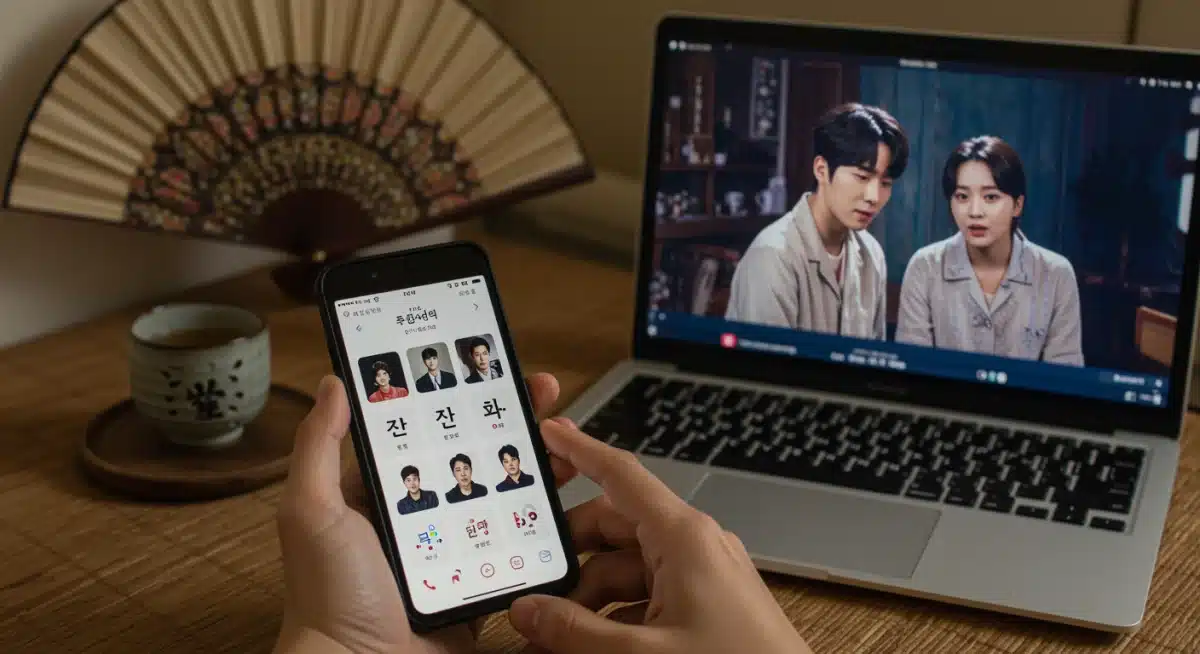
Beyond language, understanding the cultural, historical, and social contexts of Asian dramas is paramount for true Asian Drama Cultural Immersion. Many plot points, character motivations, and dramatic tensions are deeply rooted in specific societal norms, historical events, or philosophical traditions that might be unfamiliar to American audiences. Without this background, viewers might misinterpret character actions, miss subtle comedic elements, or fail to grasp the profound significance of certain storylines.
For instance, the emphasis on family honor and filial piety in many East Asian dramas is a cornerstone of Confucian values. An American viewer might find a character’s extreme sacrifice for their family puzzling without understanding the deep-seated cultural importance attached to these concepts. Similarly, historical dramas often reference specific dynasties, political upheavals, or legendary figures that are essential to the narrative but might not be explicitly explained within the show itself. Even contemporary dramas frequently touch upon social issues like education pressure, workplace culture, or beauty standards that are unique to their respective societies.
Valuable Cultural Context Resources:
- Dedicated Fan Wikis and Blogs: The passionate fan communities surrounding Asian dramas are a treasure trove of information. Websites like Dramabeans for K-dramas or MyDramaList often include detailed recaps, character analyses, and explanations of cultural references. Many bloggers specialize in breaking down cultural aspects for international audiences.
- Academic and Educational Websites: Universities and cultural institutions often publish articles, essays, or online courses about Asian history, sociology, and arts. Websites like Asia Society or the National Museum of Asian Art can provide foundational knowledge.
- Documentaries and Non-Fiction Books: Supplement your drama viewing with documentaries about the specific country or region, or read non-fiction books that delve into its history, traditions, and social issues. This provides a broader understanding that enriches what you see on screen.
- YouTube Channels and Podcasts: Many content creators specialize in explaining Asian culture through the lens of dramas. They can offer insights into everything from food etiquette to traditional ceremonies, historical fashion, and social commentary.
- Official Tourism and Cultural Sites: These sites often provide accessible information about national holidays, traditional arts, cuisine, and local customs, offering a practical glimpse into the culture.
By actively seeking out and engaging with these cultural context resources, American viewers can transform their drama watching into an educational and deeply insightful experience, moving far beyond surface-level entertainment to achieve genuine Asian Drama Cultural Immersion.
Solution 3: Join and Contribute to Online Communities and Forums
The shared experience of watching dramas is amplified exponentially when you engage with others who are equally passionate. Online communities and forums offer a dynamic space for American viewers to discuss plot points, share theories, and, crucially, gain cultural insights from fellow fans, including native speakers or those with deeper cultural knowledge. This interactive approach is vital for achieving comprehensive Asian Drama Cultural Immersion.
Often, a plot twist or character’s reaction that seems baffling to an American viewer might be perfectly logical within its cultural context. By posing questions or reading discussions in these communities, you can quickly uncover explanations and gain new perspectives. These platforms become virtual classrooms where nuances are explained, historical references are clarified, and social customs are demystified. Furthermore, contributing your own observations and questions can foster a deeper understanding, as articulating your thoughts often leads to new insights.
Engaging with Online Communities Effectively:
- Reddit Subreddits: Subreddits like r/KDRAMA, r/CDrama, r/JDorama, and r/asian_drama are highly active, with daily discussions, recommendation threads, and cultural explanations.
- MyDramaList Forums: Beyond being a database, MyDramaList has extensive forums for individual dramas and general discussions, where users often share detailed cultural notes.
- Facebook Groups: Numerous Facebook groups are dedicated to specific genres, countries, or even individual dramas. These groups can be more informal and highly interactive.
- Discord Servers: Many fan communities have Discord servers for real-time chat, watch parties, and deeper dives into cultural topics.
- Comment Sections on Streaming Platforms: While sometimes chaotic, the comment sections on platforms like Viki or YouTube can sometimes contain valuable discussions and cultural explanations from other viewers.
- Be Respectful and Open-Minded: Approach discussions with a willingness to learn and understand different perspectives. Cultural exchange thrives on mutual respect.
By actively participating in these communities, American viewers can transform their solitary viewing experience into a collaborative journey of cultural discovery, enriching their Asian Drama Cultural Immersion through shared knowledge and diverse interpretations.
Solution 4: Explore Related Media and Genres
To truly achieve Asian Drama Cultural Immersion, it’s beneficial to broaden your media consumption beyond just dramas. Cultures are multifaceted, and while dramas offer a compelling narrative lens, other forms of media provide different perspectives and reinforce cultural understanding. By exploring related music, variety shows, documentaries, and even news from the respective countries, American viewers can build a more holistic picture of the culture, making their drama viewing even more informed and enjoyable.
For example, listening to K-Pop or J-Pop can familiarize you with contemporary music trends, fashion, and youth culture, which often influence drama aesthetics and themes. Watching Korean variety shows can provide insights into everyday humor, social dynamics, and celebrity culture that are frequently referenced or subtly parodied in K-dramas. Documentaries offer factual accounts of historical events or social issues that might be dramatized or alluded to in fictional series. Even sampling the cuisine or learning about traditional festivals can ground your understanding in tangible cultural experiences.
Expanding Your Media Horizons:
- Music: Dive into the popular music charts (K-Pop, J-Pop, C-Pop, etc.). Pay attention to lyrics (with translations), music video aesthetics, and the cultural messages they convey.
- Variety Shows/Reality TV: Shows like ‘Running Man’ (Korea), ‘Terrace House’ (Japan), or various cooking shows from different Asian countries offer unscripted glimpses into daily life, humor, social interactions, and even regional differences.
- News and Current Events: Following major news outlets from the drama’s country of origin (e.g., Yonhap News Agency for Korea, NHK for Japan, Xinhua for China) can help you understand contemporary social and political issues that might subtly influence drama narratives.
- Documentaries: Seek out documentaries about the country’s history, art, cuisine, or specific cultural phenomena. These provide factual context that can enrich your understanding of fictional portrayals.
- Traditional Arts and Crafts: Learning about traditional art forms, such as calligraphy, pottery, traditional dance, or tea ceremonies, can deepen your appreciation for the aesthetic and philosophical underpinnings often reflected in dramas.
- Cuisine Exploration: Trying authentic dishes or learning about culinary traditions can be a delicious way to connect with the culture and recognize food references in dramas.
By diversifying your media diet and actively seeking out these related cultural expressions, American viewers can build a comprehensive framework for understanding, thereby significantly enhancing their Asian Drama Cultural Immersion and overall appreciation.
Solution 5: Critical Viewing and Self-Reflection
The final, and perhaps most crucial, solution for achieving deep Asian Drama Cultural Immersion is to adopt a critical and reflective viewing approach. It’s easy to consume dramas passively, but true cultural understanding requires active engagement with the content. This means questioning what you see, comparing it to your own cultural norms, and reflecting on the messages and values being conveyed. By consciously analyzing the drama through a cultural lens, American viewers can move beyond mere entertainment to a profound educational experience.
Critical viewing involves asking questions like: Why did that character react that way? What societal expectation is being highlighted or challenged here? What historical event might be influencing this storyline? How does this portrayal differ from how similar themes are handled in Western media? This process encourages you to identify cultural differences, recognize universal human experiences, and challenge your own preconceived notions.
Practices for Critical Viewing and Self-Reflection:
- Keep a Viewing Journal: Jot down observations, questions, and new vocabulary. Reflect on scenes that particularly resonated or confused you, and research them later.
- Identify Cultural Tropes: Recognize common cultural tropes (e.g., rich CEO, poor but strong female lead, love triangles, family pressure) and consider what they reveal about societal values or aspirations.
- Analyze Symbolism: Pay attention to recurring symbols, colors, food items, or settings. These often carry significant cultural meaning.
- Compare and Contrast: Think about how themes like love, family, work, or justice are portrayed in Asian dramas versus Western entertainment. What are the similarities and differences, and why might they exist?
- Question Stereotypes: While dramas can offer authentic glimpses, they are still fictionalized. Be mindful of potential stereotypes and seek out diverse perspectives to avoid overgeneralization.
- Discuss with Diverse Audiences: Engage in conversations with people from different cultural backgrounds. Their insights can offer fresh perspectives and challenge your own interpretations.
- Recognize Your Own Bias: Everyone views the world through their own cultural lens. Being aware of your own biases can help you approach new cultures with greater empathy and understanding.
By engaging in critical viewing and self-reflection, American viewers can transform their drama consumption into a powerful tool for cross-cultural education and personal growth. This active approach ensures that by 2026, their Asian Drama Cultural Immersion is not just enjoyable, but deeply transformative.
The Path to Deeper Asian Drama Cultural Immersion by 2026
The journey from simply watching Asian dramas to truly understanding and appreciating the cultures they represent is a rewarding one. It requires intentional effort, curiosity, and a willingness to step outside one’s comfort zone. The five practical solutions outlined here—embracing language learning, engaging with cultural context resources, joining online communities, exploring related media, and practicing critical viewing—provide a comprehensive roadmap for American viewers to achieve profound Asian Drama Cultural Immersion by 2026.
As the world becomes increasingly interconnected, the ability to understand and empathize with diverse cultures is more valuable than ever. Asian dramas offer a compelling and accessible entry point into this global conversation. By adopting these strategies, viewers will not only enhance their enjoyment of these captivating stories but will also cultivate a broader worldview, foster cross-cultural communication skills, and develop a deeper appreciation for the rich tapestry of human experience. So, grab your favorite drama, but this time, arm yourself with curiosity and a desire to truly connect. The world of Asian culture, beyond the subtitles, awaits.
Additional Tips for Enhanced Cultural Understanding:
- Travel (if possible): If opportunities arise, visiting the countries where these dramas are produced can provide invaluable first-hand cultural experiences that solidify your understanding.
- Attend Cultural Festivals: Many cities in the US host Asian cultural festivals. These events offer a chance to experience traditional food, music, dance, and customs.
- Read Translated Literature: Explore novels, poetry, and short stories from Asian authors. Literature often delves into cultural nuances with greater depth than visual media.
- Follow Cultural Influencers: Many content creators on platforms like Instagram and TikTok share insights into daily life, traditions, and contemporary issues in various Asian countries.
- Be Patient: Cultural understanding is a continuous process. Some concepts may take time to fully grasp, and that’s perfectly normal. Enjoy the journey of discovery.
By consciously integrating these solutions into your drama-watching routine, you’re not just consuming entertainment; you’re embarking on a rich educational adventure that will broaden your horizons and deepen your connection to the global community. The goal of profound Asian Drama Cultural Immersion by 2026 is not just attainable, but an incredibly enriching experience that will stay with you long after the final credits roll.