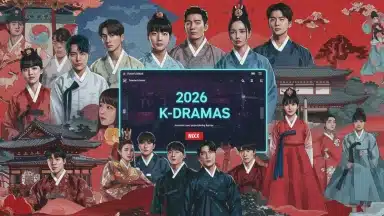
Four significant licensing deals are set to redefine the landscape of Asian drama availability in the U.S. by March 2026, fundamentally altering how American audiences access their favorite series and impacting major streaming platforms.
Are you a fan of the captivating narratives and diverse cultures presented in Asian dramas? If so, an urgent update: 4 major licensing deals reshaping Asian drama availability in the U.S. by March 2026 is set to significantly impact how you access your favorite shows. The streaming landscape is constantly evolving, and these new agreements promise to usher in a new era for viewers across the United States. What exactly do these groundbreaking deals entail, and how will they change your viewing habits?
The Shifting Tides of Asian Drama Distribution in the U.S.
The demand for Asian dramas in the U.S. has exploded over the past decade, driven by the global success of K-dramas, C-dramas, and series from other vibrant Asian entertainment industries. This surge in popularity has naturally led to increased competition among streaming platforms to secure exclusive rights to popular titles. As we approach March 2026, the industry is bracing for a significant restructuring, with four pivotal licensing deals poised to redefine content accessibility and platform dominance.
Understanding these shifts is crucial for any dedicated fan. These deals aren’t merely about which platform gets a new show; they represent strategic maneuvers that will influence everything from subscription costs to the breadth of available content. The implications extend beyond immediate access, shaping future production, localization efforts, and even the cultural exchange facilitated by these stories.
The Rise of Exclusive Content Partnerships
- Platforms are investing heavily in long-term contracts with major Asian production houses.
- Expect to see more original co-productions tailored for international audiences.
- The landscape will likely consolidate, with fewer, but larger, content hubs emerging.
This push for exclusivity can be a double-edged sword for viewers, offering curated selections but potentially requiring multiple subscriptions to access a comprehensive range of dramas. The upcoming changes are a testament to the growing economic power and cultural influence of Asian entertainment.
The evolving distribution model indicates a maturing market where content creators and distributors are seeking more stable and lucrative arrangements. These deals reflect a long-term vision, moving beyond episodic acquisitions to comprehensive partnerships that cover entire catalogs and future productions. It’s an exciting, albeit complex, time for Asian drama enthusiasts.
Deal 1: Paramount Global’s Strategic Move into East Asian Content
One of the most talked-about developments is Paramount Global’s aggressive push into the East Asian drama market. While historically known for its Western entertainment, Paramount+ has recognized the immense growth potential in K-dramas and C-dramas. Their impending deal, expected to finalize by early 2026, signals a major shift in their content strategy, aiming to capture a significant share of the U.S. Asian drama audience.
This licensing agreement is rumored to involve a multi-year, multi-series commitment with one of South Korea’s largest entertainment conglomerates. Industry insiders suggest this could include exclusive rights to a slate of upcoming high-budget dramas, as well as a significant portion of their existing, highly sought-after catalog. This move positions Paramount+ as a serious contender in a space previously dominated by more niche platforms.
Anticipated Impact on Content Diversity
- Increased investment in diverse genres beyond traditional romance and fantasy.
- Higher production values for co-produced series, blending Hollywood and Asian storytelling techniques.
- Broader accessibility through Paramount+’s established distribution channels in the U.S.
The deal aims to leverage the global appeal of Asian dramas while integrating them into a more mainstream American streaming ecosystem. This could introduce these shows to an entirely new demographic of viewers who might not typically seek out specialized platforms.
This strategic alliance underscores the universal appeal of compelling storytelling, regardless of origin. By March 2026, Paramount+ could become a go-to destination for a significant portion of the Asian drama fandom, altering competitive dynamics and potentially setting new benchmarks for content acquisition.
Deal 2: Warner Bros. Discovery’s Expanded Reach with Southeast Asian Series
Warner Bros. Discovery, through its Max platform, is making a calculated move to significantly expand its footprint in Southeast Asian content. While K-dramas often grab headlines, the rich and diverse storytelling from countries like Thailand, the Philippines, and Indonesia has been steadily gaining traction. This second major licensing deal focuses on bringing these captivating narratives to a wider U.S. audience by March 2026.
Sources indicate that this agreement is a comprehensive partnership with a consortium of leading Southeast Asian production studios. The goal is not just to license existing popular titles but also to commission new, original series specifically for Max. This forward-thinking approach demonstrates an understanding of the burgeoning demand for regional content beyond the most established markets.
Opportunities for Niche Genres and Cultural Exchange
- Introduction of New Narratives: Viewers can explore different cultural perspectives and storytelling styles.
- Support for Emerging Talent: The deal provides a global platform for talented actors, writers, and directors from the region.
- Increased Genre Variety: Expect a wider range of genres, from unique horror to intricate historical dramas, reflecting the diverse cultural landscapes of Southeast Asia.
Warner Bros. Discovery’s investment in this region is a testament to the untapped potential and growing global appreciation for its distinct cinematic and television contributions. It’s a strategic play to diversify their content library and appeal to a broader, more globally-minded subscriber base.
By focusing on Southeast Asian content, Max is distinguishing itself in a competitive market, promising a fresh array of stories that have often been harder for U.S. audiences to access. This deal represents a significant step towards a truly global content offering, enriching the viewing experience for many.
Deal 3: Netflix’s Renewed Commitment and Production Powerhouse Strategy
Netflix, a pioneer in bringing Asian dramas to global audiences, is not resting on its laurels. Their third major licensing deal, expected to be finalized well before March 2026, signifies a renewed and deepened commitment to their Asian content strategy, particularly with Japanese and Taiwanese dramas. This isn’t just about licensing; it’s about solidifying their position as a production powerhouse in Asia.
This multi-faceted agreement is rumored to involve substantial investments in co-production deals with top Japanese anime studios and live-action drama producers, as well as Taiwanese content creators. The aim is to secure a steady pipeline of high-quality, exclusive content that resonates with both existing fans and new viewers. Netflix’s data-driven approach allows them to identify emerging trends and invest strategically.
Deepening the Investment in Original Asian Content
- Increased Original Productions: Expect more Netflix-branded Japanese and Taiwanese dramas and anime.
- Talent Development: Investment in local talent, from writers to directors, fostering regional creative industries.
- Global Distribution: Ensuring these original productions are immediately available to their vast global subscriber base.
The platform’s proven track record in localizing and marketing Asian content makes it a formidable player. This renewed commitment means that Netflix plans to continue being a primary destination for fans seeking a wide variety of Asian storytelling, leveraging its global infrastructure.
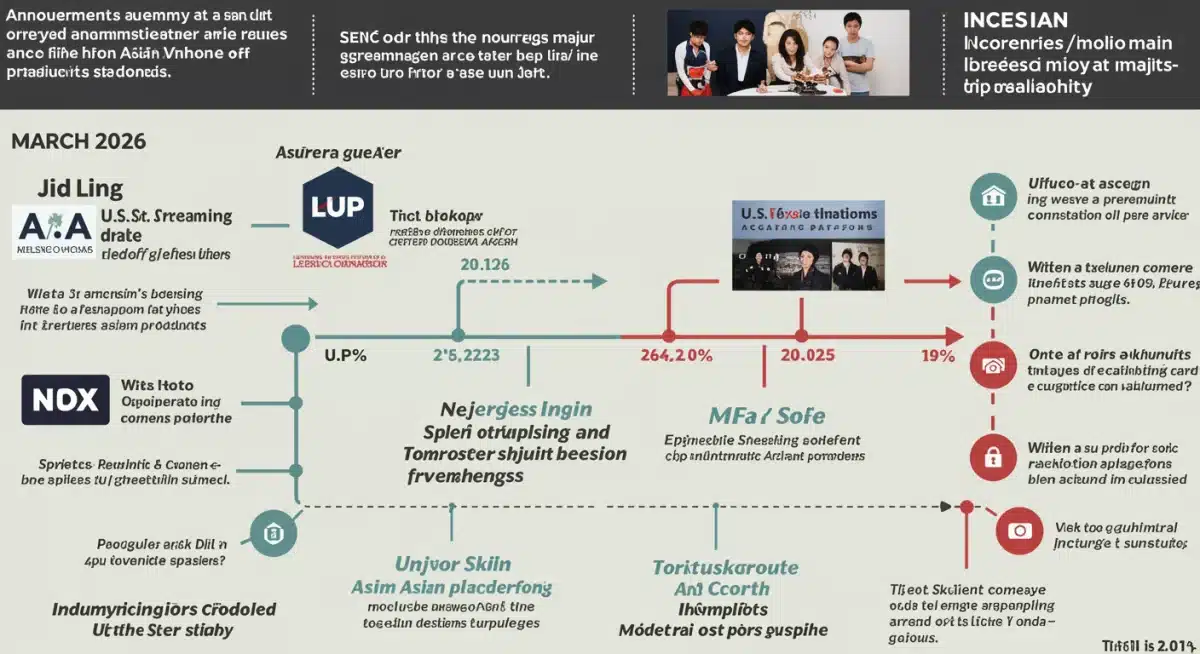
This deal reinforces Netflix’s long-term vision of being a global content creator, not just a distributor. By March 2026, their expanded portfolio of Japanese and Taiwanese originals will likely further cement their leadership in the Asian drama streaming space, offering unparalleled access to diverse and high-quality productions.
Deal 4: Hulu’s Niche Expansion with Mainland Chinese Historical Epics
Hulu, traditionally strong in U.S. network content, is making a distinct strategic move by focusing on mainland Chinese historical epics and costume dramas. This fourth major licensing deal, also slated for completion by March 2026, targets a specific, yet highly dedicated, segment of the Asian drama audience in the U.S. These elaborate productions are known for their intricate plots, stunning visuals, and rich cultural narratives.
The agreement is reportedly with a major Chinese state-backed media group, granting Hulu exclusive U.S. streaming rights to a significant library of critically acclaimed and popular historical dramas. This focus allows Hulu to carve out a unique niche, appealing directly to fans who appreciate the depth and scale of these grand productions, which often span dozens of episodes.
Attracting a Dedicated Fanbase
- Cultivate a Loyal Audience: Attract viewers specifically seeking high-quality, long-form historical narratives.
- Differentiate Content: Offer a distinct genre that sets it apart from competitors’ more general Asian drama offerings.
- Enhance Cultural Understanding: Provide a window into rich Chinese history and folklore through engaging storytelling.
This targeted approach minimizes direct competition with platforms focusing on K-dramas or more contemporary series. Instead, Hulu is banking on the consistent demand for epic storytelling that delves deep into historical periods and character development.
By March 2026, Hulu could become the premier destination for U.S. viewers passionate about the grandeur and narrative complexity of Chinese historical dramas. This deal highlights the fragmentation of the Asian drama market, where platforms are increasingly specializing to cater to diverse fan preferences.
The Broader Implications for U.S. Viewers and the Industry
These four major licensing deals, culminating by March 2026, collectively represent a seismic shift in the availability and consumption of Asian dramas in the U.S. For viewers, this means a more diverse, albeit potentially more fragmented, streaming landscape. Access to beloved series might require subscriptions to multiple platforms, but it also promises an unprecedented wealth of content.
For the industry, these deals signify the undeniable global power of Asian entertainment. U.S. streaming giants are now actively competing for and investing in Asian content on a scale previously unseen. This competition will likely drive up licensing fees, leading to higher production budgets for Asian studios, and ultimately, even higher quality shows for audiences.
What This Means for You, the Viewer
As a viewer, you can expect:
- More Choice: A wider array of dramas from various Asian countries and genres.
- Platform Specialization: Different platforms becoming known for specific types or origins of Asian dramas.
- Potential for Higher Costs: The need for multiple subscriptions to access a comprehensive library.
- Enhanced Localization: Better subtitles, dubbing, and marketing efforts as platforms compete for your attention.
The increased investment also means more sophisticated localization efforts, from accurate subtitles to potentially more dubbing options, making these dramas even more accessible to a broader audience. This era promises a richer, more integrated experience for fans.
The strategic moves by Paramount Global, Warner Bros. Discovery, Netflix, and Hulu are not just business transactions; they are cultural bridges. By March 2026, the U.S. will be awash in an even greater variety of Asian stories, fostering deeper cultural understanding and expanding the horizons of entertainment for millions.
Navigating the New Asian Drama Landscape Post-2026
The landscape of Asian drama availability in the U.S. post-March 2026 will undoubtedly be more complex but also significantly richer. With four major licensing deals reshaping content distribution, viewers will need to adapt their strategies for accessing their favorite shows. Understanding where specific types of dramas are likely to land will be key to maximizing your viewing pleasure without breaking the bank on subscriptions.
This new era will emphasize the importance of platform aggregation services or staying informed about content shifts. Fans might find themselves subscribing to certain platforms for specific genres or regions, creating a more tailored, but potentially less centralized, viewing experience. The competitive nature of these deals means that platforms will continue to innovate in how they present and promote their Asian drama offerings.
Tips for the Savvy Asian Drama Fan
- Stay Informed: Follow industry news and fan communities for updates on content migration.
- Prioritize Subscriptions: Identify which platforms will host the genres or countries you watch most frequently.
- Utilize Free Trials: Take advantage of trial periods to explore new platforms before committing.
- Consider Aggregators: Look into services that consolidate content searches across multiple streaming platforms.
The dynamic nature of these licensing agreements means that the viewing experience will be in constant flux. However, this also ensures a vibrant and competitive market, pushing platforms to continually improve their offerings and accessibility for Asian drama enthusiasts.
Ultimately, the changes brought by these four major licensing deals are a positive sign for the growth and recognition of Asian dramas in the U.S. By March 2026, the market will be more mature, diverse, and responsive to the vast and varied interests of its dedicated fanbase. The future of Asian drama streaming looks bright, albeit with new navigational challenges.
| Key Aspect | Brief Description |
|---|---|
| Paramount Global Deal | Major expansion into K-dramas and C-dramas, aiming for exclusive content by March 2026. |
| Warner Bros. Discovery Deal | Focus on Southeast Asian series for Max, enriching content diversity for U.S. viewers. |
| Netflix’s Renewed Commitment | Deepening investment in Japanese and Taiwanese originals, solidifying global production. |
| Hulu’s Niche Expansion | Targeting mainland Chinese historical epics, creating a unique content niche for fans. |
Frequently Asked Questions About Asian Drama Availability
These deals may require you to subscribe to additional platforms to access specific Asian dramas. Content might shift from one service to another, so staying informed about platform-specific announcements will be crucial for continued viewing.
While exclusivity is a growing trend, it’s unlikely all Asian dramas will be confined to a single platform. Instead, platforms will likely specialize in content from certain regions or genres, fostering a more diverse but segmented market.
Expect a broader range of genres and origins. Paramount Global is expanding K-drama/C-drama, Warner Bros. Discovery is focusing on Southeast Asian content, Netflix on Japanese/Taiwanese originals, and Hulu on Chinese historical epics, diversifying options significantly.
The four major licensing deals are projected to fully reshape Asian drama availability in the U.S. by March 2026. Viewers should anticipate a gradual rollout of new content and platform shifts leading up to this deadline.
Increased competition and exclusive content often lead to higher subscription costs or the need for multiple subscriptions. However, it also promises higher quality and a wider selection of Asian dramas, balancing the viewing value.
Conclusion
The impending changes by March 2026, driven by four significant licensing deals, mark a transformative period for Asian drama enthusiasts in the U.S. These strategic moves by major streaming players like Paramount Global, Warner Bros. Discovery, Netflix, and Hulu underscore the growing global influence and economic power of Asian entertainment. While navigating the new, potentially fragmented landscape might require some adjustment for viewers, the ultimate outcome promises an unprecedented wealth of diverse, high-quality Asian dramas. This evolution not only offers more choice but also signifies a deeper integration of Asian storytelling into the mainstream American entertainment consumption, fostering greater cultural appreciation and expanding the horizons of global entertainment.