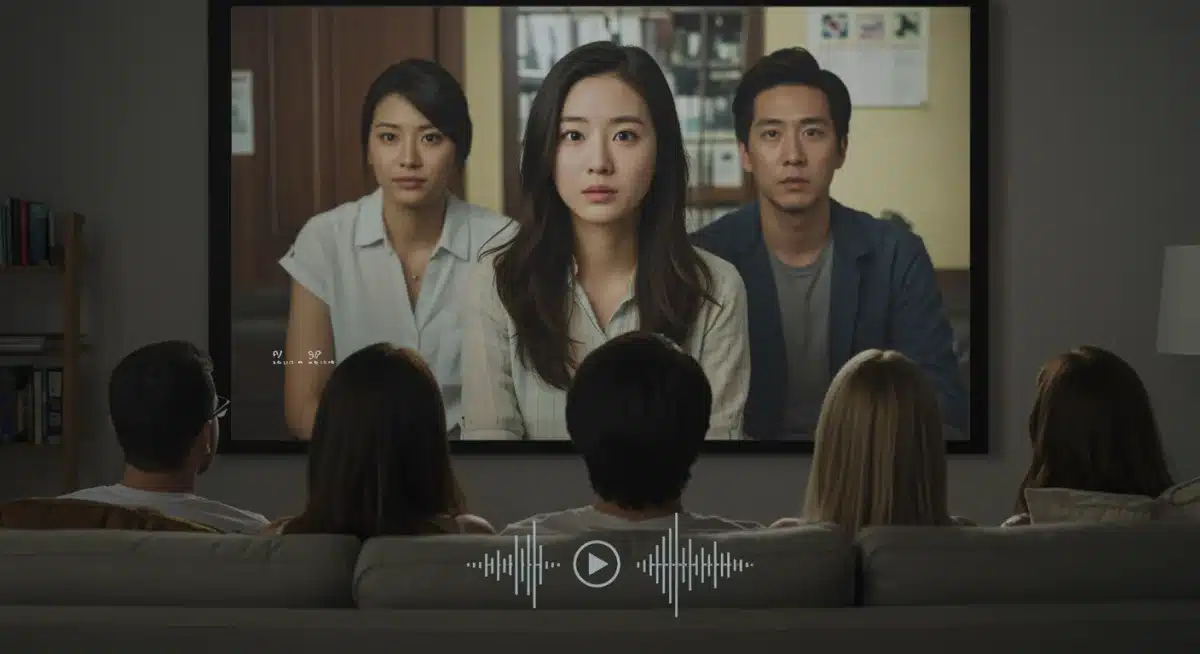
For US viewers of Asian dramas, 2025 brings a rich landscape of content consumption choices, where the decision between subtitles and dubbing profoundly influences both the viewing experience and cultural connection.
For enthusiasts across the United States, Navigating Subtitles and Dubbing: A 2025 Guide to the Best Options for US Viewers of Asian Dramas has become a crucial aspect of enjoying this rich content. The landscape of Asian drama consumption is ever-evolving, presenting viewers with more choices than ever before. This guide aims to demystify these options, helping you select the best way to immerse yourself in the compelling narratives and vibrant cultures of K-dramas, J-dramas, and more.
The Evolving Landscape of Asian Drama Consumption
The global popularity of Asian dramas has surged dramatically over the past decade, transforming how US audiences access and interact with this content. What was once a niche interest has blossomed into a mainstream phenomenon, largely fueled by streaming platforms.
In 2025, the options available to viewers are more sophisticated and varied than ever. This evolution has brought about significant improvements in both the quality and accessibility of subtitles and dubbing, catering to a diverse range of preferences.
The Rise of Streaming Giants
Major streaming services have played a pivotal role in bringing Asian dramas to a wider audience. These platforms invest heavily in localization, offering a seamless viewing experience.
- Wider Availability: More dramas are licensed for international release.
- Enhanced Quality: Subtitles and dubbing are often professionally produced.
- Personalized Recommendations: Algorithms help viewers discover new content.
The commitment of these platforms means that US viewers no longer need to rely on unofficial sources, ensuring a higher quality and more reliable viewing experience. This shift has also opened doors for more niche genres and regional content to find an audience.
The landscape continues to shift, with new players and technologies constantly emerging. Understanding these changes is key to making informed viewing choices and maximizing your enjoyment of Asian dramas.
Understanding Subtitles: Pros and Cons
Subtitles remain the traditional and often preferred method for many avid Asian drama viewers. They offer a direct connection to the original performance and language, preserving the artistic integrity of the production.
However, watching with subtitles also comes with its own set of challenges, particularly for those who are new to the format or have specific viewing habits.
Advantages of Subtitles for Immersion
Many viewers argue that subtitles provide the most authentic viewing experience. They allow audiences to hear the original actors’ voices, preserving their intonation, emotion, and comedic timing.
- Authenticity: Experience the original vocal performances and nuances.
- Language Learning: Exposure to the original language can aid in learning.
- Cultural Nuances: Subtitles can often convey cultural context more precisely.
The ability to hear the original language also fosters a deeper appreciation for the craft of acting and the cultural context of the drama. It’s a window into the original creation, unfiltered by interpretive voice-overs.
Challenges and Considerations
While subtitles offer many benefits, they also present certain drawbacks. The primary challenge is the need to divide attention between reading and watching the visual action.
This can sometimes lead to missing visual cues or feeling disconnected from the screen. For some, the constant reading can also be fatiguing, especially during long viewing sessions.
Furthermore, subtitle quality can vary significantly. Poorly translated or timed subtitles can detract from the experience, leading to misunderstandings or frustration. Viewers often need to be proactive in finding reliable subtitle sources.
Exploring Dubbing: Benefits and Drawbacks
Dubbing offers an alternative for viewers who prefer to focus solely on the visual storytelling without the distraction of reading. This method replaces the original dialogue with spoken translations in the viewer’s native language.
While dubbing has grown in popularity, particularly with the rise of global streaming, it also sparks considerable debate among fans regarding its impact on the viewing experience.
The Convenience of Dubbed Content
For many US viewers, dubbing provides a more relaxed and accessible way to enjoy Asian dramas. It eliminates the need to read, allowing for a completely visual and auditory immersion in the translated language.
- Accessibility: Ideal for viewers with visual impairments or reading difficulties.
- Multitasking: Allows viewers to engage in other activities while watching.
- Shared Viewing: Easier for groups with varying reading speeds or preferences.
This convenience is a major draw, especially for casual viewers or those who prefer to watch content while performing other tasks. It broadens the appeal of Asian dramas to an even wider audience.

The Debate Around Dubbing Quality
Despite its benefits, dubbing is often a point of contention. Critics argue that dubbed versions can lose the original actors’ emotional performances and cultural authenticity.
The quality of voice acting in dubbed versions can vary widely, and sometimes the translated dialogue may not perfectly capture the original meaning or tone. This can lead to a less authentic and sometimes jarring experience for viewers accustomed to the original language.
Additionally, the lip-syncing can sometimes be imperfect, further breaking the illusion of immersion. For purists, these discrepancies are significant enough to make subtitles the only viable option.
Top Platforms for Subtitled Asian Dramas in 2025
In 2025, several streaming platforms stand out for their extensive libraries of Asian dramas with high-quality subtitles, catering specifically to US audiences. These services have become indispensable for fans seeking authentic viewing experiences.
Each platform offers a unique selection and user experience, making it important to consider individual preferences when choosing a subscription.
Dedicated Asian Drama Streaming Services
Platforms specifically focused on Asian content often provide the most comprehensive and up-to-date collections. They understand the nuances of the genre and invest in accurate translations.
- Viki: Known for its community-driven subtitling and vast library of K-dramas, C-dramas, and J-dramas.
- Kocowa: Specializes in K-drama content directly from major Korean broadcasters, often with fast-turnaround subtitles.
- AsianCrush: Offers a diverse range of Asian films and series, including some harder-to-find titles.
These dedicated services often feature exclusive content and provide additional features like fan channels and behind-the-scenes footage, enhancing the overall fan experience.
Mainstream Platforms with Strong Asian Drama Offerings
Beyond the specialized services, major global streaming platforms have significantly expanded their Asian drama catalogs, making them easily accessible to a broader audience.
Netflix, for instance, has invested heavily in original Korean content and also licenses popular dramas from various Asian countries. Hulu and Amazon Prime Video also offer a rotating selection of Asian dramas, often with excellent subtitle options.
These platforms benefit from their extensive reach and robust infrastructure, providing reliable streaming and user-friendly interfaces. Their increasing commitment to Asian content underscores the growing demand in the US market.
Leading Platforms for Dubbed Asian Dramas in 2025
As the demand for accessible content grows, more platforms are investing in dubbed versions of popular Asian dramas. This option caters to a segment of the US audience that prioritizes convenience and ease of consumption over original language immersion.
The quality of dubbing has also seen significant improvements, with many productions now offering professional voice acting and better script adaptations.
Netflix’s Dubbing Prowess
Netflix is arguably at the forefront of providing dubbed Asian dramas. Their global strategy involves localizing content for various regions, and this includes a substantial effort in dubbing popular K-dramas, C-dramas, and anime into English.
- Extensive Dubbed Library: Many popular titles are available with English dubs.
- High Production Value: Often features professional voice actors and sound engineering.
- User-Friendly Interface: Easy to switch between audio tracks and subtitle options.
The platform’s investment in original content also means that many of their exclusive Asian dramas are planned with dubbing as a primary localization strategy from the outset, ensuring higher quality.
Other Platforms Expanding Dubbing Options
While Netflix leads, other platforms are also catching up. Amazon Prime Video and Hulu occasionally offer dubbed versions of Asian dramas, though their selection might not be as extensive or consistently updated as Netflix’s.
Disney+, with its growing international content strategy, is also beginning to feature some Asian dramas with English dubs, particularly those aimed at a family audience or with broader appeal.
The trend indicates a clear move towards making Asian dramas more accessible to a wider US audience, acknowledging that not all viewers prefer or are able to engage with subtitles.
Making Your Choice: Subtitles vs. Dubbing for US Viewers
The decision between watching Asian dramas with subtitles or dubbing ultimately comes down to personal preference, individual viewing habits, and what you prioritize in your entertainment experience.
There is no single correct answer, and what works best for one viewer might not be ideal for another. Understanding your own priorities is key to making the right choice.
Factors Influencing Your Viewing Preference
Consider what aspects of a drama are most important to you. Do you value the authenticity of the original performance, or do you prefer to relax and absorb the story without reading?
- Language Proficiency: If you are learning an Asian language, subtitles can be a great tool.
- Visual Focus: Dubbing allows for complete focus on visual storytelling.
- Accessibility Needs: Dubbing can be crucial for viewers with reading difficulties or visual impairments.
- Distraction Tolerance: Some find reading subtitles distracting, while others adapt quickly.
Think about the environment in which you typically watch dramas. Are you often multitasking, or do you dedicate your full attention to the screen? These factors can heavily influence which option provides a more enjoyable experience.
The Hybrid Approach: When Both Work
It’s also important to remember that you don’t have to choose one option exclusively. Many viewers adopt a hybrid approach, switching between subtitles and dubbed versions depending on the drama, their mood, or the specific scene.
For instance, some might prefer subtitles for emotionally intense scenes to catch every nuance of the original performance, but switch to dubbing for lighter, more dialogue-heavy sequences.
The flexibility offered by modern streaming platforms makes this hybrid approach entirely feasible. Experiment with both to discover what truly enhances your Asian drama viewing experience in 2025.
| Key Aspect | Description for US Viewers |
|---|---|
| Subtitles (Pros) | Authentic vocal performances, cultural immersion, language learning aid. |
| Subtitles (Cons) | Requires divided attention, potential for fatigue, varying translation quality. |
| Dubbing (Pros) | Enhanced accessibility, full visual focus, easier multitasking. |
| Dubbing (Cons) | May lose original nuance, voice acting quality varies, potential for lip-sync issues. |
Frequently Asked Questions About Asian Drama Viewing in 2025
Subtitles are generally better for language learning. They allow you to hear the original pronunciation while reading the translation, helping to connect spoken words with their written forms. Dubbing replaces the original audio, removing this direct linguistic exposure.
Emotional impact can vary greatly with dubbing. While professional dubbing aims to convey emotion, the original actors’ voices and intonations often carry unique nuances that can be lost in translation. Many viewers find subtitles more effective for experiencing raw emotion.
If multitasking is a priority, dubbed versions are generally more suitable. They free your eyes from reading, allowing you to engage in other activities while still following the plot audibly. Subtitles demand more focused visual attention for comprehension.
No, not all platforms offer both options for every title. Dedicated Asian drama services like Viki often prioritize subtitles. Major global platforms like Netflix increasingly offer both, especially for popular or original content. Availability varies by platform and specific drama.
To ensure quality, stick to reputable streaming platforms (Netflix, Viki, Kocowa) known for professional localization. Avoid unofficial sites which may have fan-made or poorly translated versions. Reading reviews can also give insights into subtitle or dubbing quality for specific dramas.
Conclusion
As we’ve explored, Navigating Subtitles and Dubbing: A 2025 Guide to the Best Options for US Viewers of Asian Dramas highlights a dynamic and rich viewing landscape. Whether you lean towards the authentic immersion of subtitles or the convenient accessibility of dubbing, the choices available today are more refined and abundant than ever. Ultimately, the best option is the one that enhances your personal enjoyment and connection to the captivating world of Asian dramas. Experiment, explore the diverse platforms, and find the perfect balance that suits your viewing style.