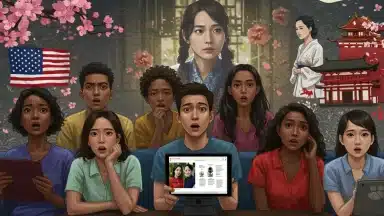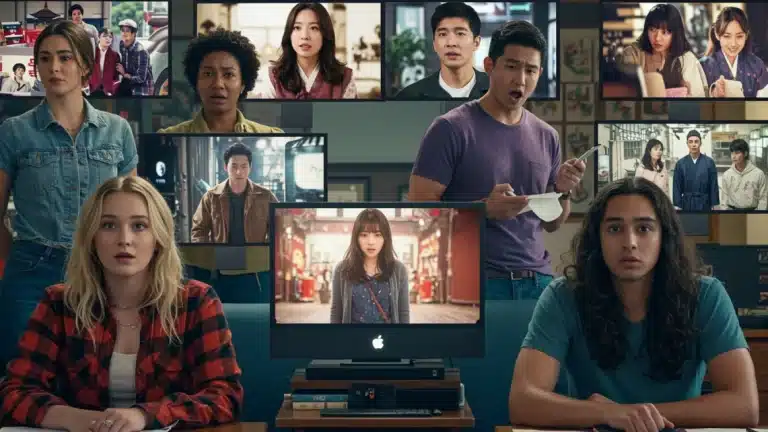
The global entertainment landscape is more interconnected than ever, and at the forefront of this cultural exchange are Asian dramas. In the last three months alone, a wave of compelling series has captivated audiences worldwide, with a particularly significant impact on American youth. These aren’t just fleeting trends; they are powerful narratives that are subtly, yet profoundly, shaping identity, challenging perceptions, and fostering a deeper understanding of diverse cultures. Understanding these Asian drama trends is key to comprehending the evolving tapestry of American youth identity.
From the meticulously crafted historical epics to the heartwarming romantic comedies and the thought-provoking social commentaries, Asian dramas offer a rich spectrum of storytelling. This article will delve into four prominent trends from the recent past and explore how they are influencing American youth, touching upon everything from fashion and beauty standards to relationship dynamics and career aspirations. The rise of streaming platforms has democratized access to these narratives, making them readily available to a generation eager for authentic, diverse, and often emotionally resonant content that deviates from traditional Western media.
The impact of these Asian drama trends extends beyond mere entertainment; it’s a form of soft power, subtly introducing new perspectives and values. American youth, often characterized by their openness and curiosity, are actively engaging with these stories, finding reflections of their own experiences while also discovering entirely new ways of life. This engagement is not passive; it often leads to active participation, whether through learning new languages, exploring different cuisines, or adopting fashion styles. This cultural osmosis is a testament to the power of storytelling and its ability to bridge geographical and cultural divides.
The Rise of ‘Comfort Dramas’ and Mental Well-being
One of the most noticeable Asian drama trends in the past three months has been the proliferation of what can be termed ‘comfort dramas.’ These series often feature gentle narratives, focus on character development over intense plot twists, and frequently highlight themes of healing, self-discovery, and community support. Unlike the high-octane thrillers or complex mysteries, comfort dramas offer a soothing escape, providing a sense of warmth and reassurance. Think of slice-of-life stories set in quaint towns, or narratives centered around everyday challenges overcome with resilience and kindness.
For American youth grappling with the pressures of modern life, academic stress, social anxieties, and an increasingly complex world, these comfort dramas offer a much-needed respite. They present a stark contrast to the often cynical or overly dramatic narratives prevalent in some Western media. The emphasis on strong interpersonal bonds, familial love, and the pursuit of simple joys resonates deeply. Young viewers are drawn to characters who navigate their struggles with grace, empathy, and an unwavering belief in human connection. This trend has not only provided emotional solace but has also subtly influenced discussions around mental health, encouraging a more open and compassionate approach to personal well-being.
Furthermore, these dramas often depict healthy coping mechanisms and the importance of seeking support, which can be highly beneficial for young audiences. The portrayal of characters openly discussing their anxieties or seeking solace in their relationships helps normalize these experiences. This trend underscores a broader shift in media consumption, where audiences are increasingly seeking content that promotes positive emotional experiences and offers a sense of hope and optimism. The gentle pace and often beautiful cinematography of these comfort dramas also contribute to their calming effect, making them a popular choice for winding down after a stressful day. The focus on everyday life, even if culturally specific, finds universal resonance in the shared human experience of seeking happiness and connection.
Fashion and Beauty: A New Aesthetic Influence
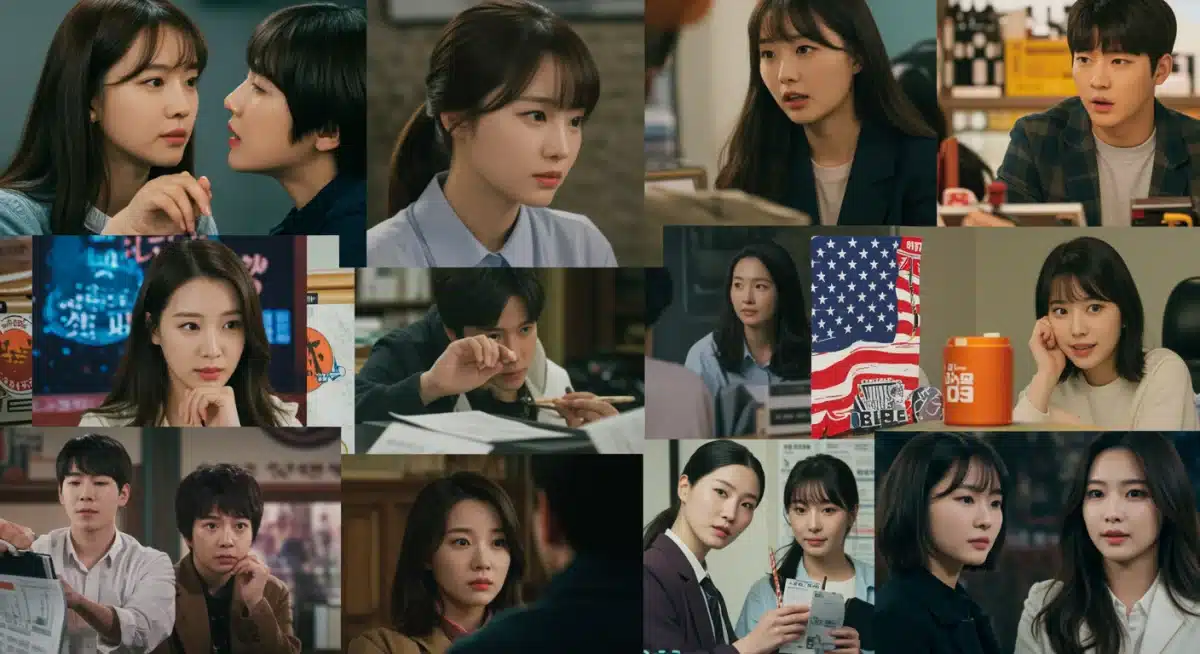
Another dominant among recent Asian drama trends is their undeniable influence on fashion and beauty standards. K-dramas, in particular, have long been trendsetters, but in the last three months, this influence has reached new heights, permeating mainstream American youth culture. From the sophisticated office wear seen in legal dramas to the effortlessly chic street style in romantic comedies, Asian dramas are dictating what’s ‘in.’
American youth are increasingly adopting elements of East Asian fashion, characterized by its clean lines, minimalist aesthetic, and emphasis on comfort mixed with elegance. Oversized blazers, wide-leg trousers, pastel color palettes, and subtle accessories are becoming staples in the wardrobes of many young Americans. This isn’t just about imitation; it’s about integration and adaptation. Young people are taking inspiration from these styles and blending them with their existing fashion sensibilities, creating unique and personalized looks.
Beyond clothing, the beauty industry has also seen a significant impact. The emphasis on natural-looking makeup, glowing skin, and intricate skincare routines, all hallmarks of K-beauty, has become highly aspirational. Tutorials on achieving the ‘glass skin’ look or replicating specific character hairstyles are rampant across social media platforms. This has led to a greater appreciation for diverse beauty standards and a move away from traditionally Eurocentric ideals. Young American women and men are experimenting with new products and techniques, driven by the desire to emulate the polished yet accessible beauty seen in their favorite dramas.
The influence also extends to hair trends, with popular hairstyles from dramas quickly becoming sought-after looks. From specific bangs styles to trendy hair colors, the impact is evident in salons and social media feeds. This cultural exchange in fashion and beauty is fostering a more diverse and inclusive understanding of what is considered beautiful, empowering youth to explore and express their identity in new and exciting ways. The accessibility of these trends through online retailers and beauty brands further fuels this adoption, making it easier for young people to participate in these global fashion conversations. This dynamic interplay between media and personal expression highlights the powerful role of Asian drama trends in shaping contemporary youth aesthetics.
Reimagining Relationships: Beyond Western Tropes
The portrayal of relationships in recent Asian drama trends offers a refreshing alternative to many Western narratives, profoundly impacting how American youth perceive love, friendship, and family dynamics. These dramas often emphasize respect, communication, and emotional depth, presenting a more nuanced and often healthier depiction of human connections.
Romantic relationships, for instance, frequently showcase a slower burn, with character development and emotional intimacy taking precedence over immediate physical attraction. The focus on mutual respect, understanding, and the gradual building of trust resonates deeply with young viewers who are often exposed to more superficial portrayals of romance in other media. The male leads in many Asian dramas are often depicted as emotionally intelligent, supportive, and respectful, challenging traditional masculine stereotypes and offering a more desirable archetype for young men and women alike.
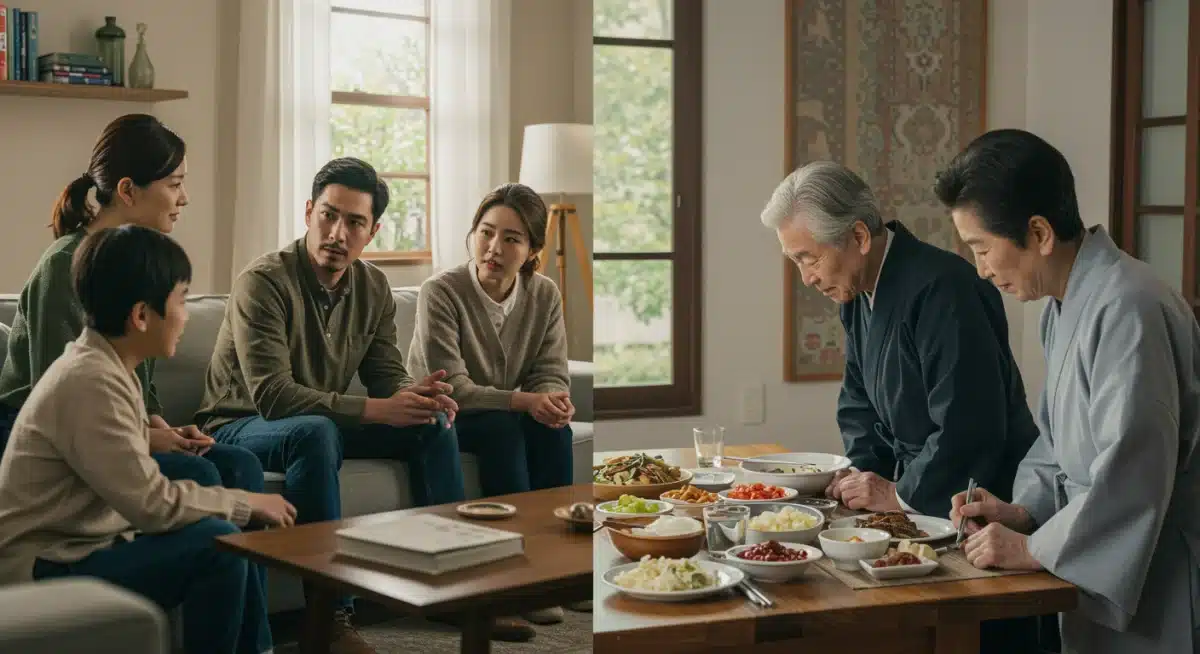
Family dynamics are another area where Asian dramas offer distinct perspectives. They often highlight the importance of filial piety, intergenerational relationships, and the complex interplay of family expectations and individual desires. For American youth, this can provide a new lens through which to view their own family structures, sometimes fostering a greater appreciation for familial bonds or sparking conversations about cultural differences in family values. The emphasis on community and collective well-being, rather than purely individualistic pursuits, also offers a valuable counter-narrative.
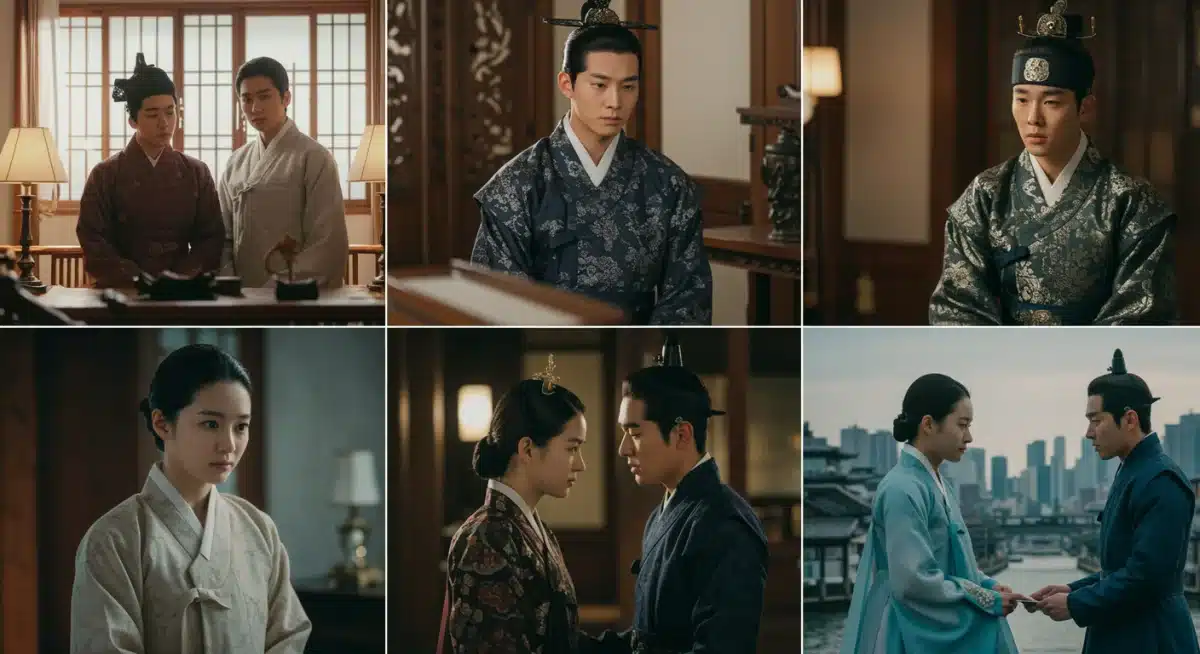
Friendships in Asian dramas are often portrayed with intense loyalty, unwavering support, and a deep sense of camaraderie. These depictions can inspire young Americans to cultivate stronger, more meaningful friendships, emphasizing quality over quantity. The theme of ‘found family’ – where close friends become as supportive as biological relatives – is also a recurring and powerful motif that resonates strongly with youth seeking strong social networks.
These nuanced portrayals are not just entertaining; they are educational, offering American youth a broader understanding of relationship complexities and the diverse ways in which people connect. They challenge preconceived notions and encourage a more empathetic and open-minded approach to personal interactions. The discussions that arise from these relationship dynamics in Asian dramas contribute significantly to the evolving understanding of identity and interpersonal connections among American youth, making these Asian drama trends a powerful force for social learning and emotional growth.
Cultural Immersion and Global Awareness
Perhaps the most significant long-term impact of these Asian drama trends is the way they foster cultural immersion and global awareness among American youth. By regularly engaging with content from South Korea, Japan, China, Taiwan, and other Asian countries, young viewers are inadvertently becoming cultural anthropologists, absorbing nuances of language, customs, social etiquette, and historical contexts.
This exposure goes far beyond superficial tourism. Viewers learn about specific cultural practices, traditional foods, historical events, and even philosophical underpinnings of different Asian societies. For instance, a historical drama might spark an interest in a particular dynasty or period, leading to further research. A contemporary drama might shed light on social issues, educational systems, or workplace cultures in a way that textbooks rarely can.
This increased cultural literacy has several profound implications. Firstly, it broadens worldviews, helping American youth understand that there are multiple valid ways of living, thinking, and interacting. It challenges ethnocentric biases and promotes a more inclusive global perspective. Secondly, it can inspire a genuine curiosity to learn more – perhaps even to learn a new language. The desire to understand dialogue without subtitles or to appreciate the original nuances often motivates young people to begin studying Korean, Japanese, or Mandarin.
Thirdly, this immersion fosters empathy. By seeing the world through the eyes of characters from different cultural backgrounds, youth develop a greater capacity for understanding and relating to people who are different from themselves. This empathy is crucial in an increasingly globalized world, where cross-cultural communication and understanding are paramount. The ability to connect with stories and characters from distant lands breaks down barriers and builds bridges.

The impact of these Asian drama trends on global awareness is not just about appreciating difference; it’s about recognizing shared humanity. Despite cultural variations, the universal themes of love, loss, ambition, family, and friendship resonate across borders, reminding young people of their common bonds with others around the world. This profound cultural exchange is preparing a generation of Americans to be more globally minded, culturally sensitive, and interconnected citizens, equipped to navigate and thrive in a diverse world.
The Future of Asian Drama Influence
Looking ahead, the influence of Asian drama trends on American youth identity shows no signs of waning. If anything, it is likely to deepen and diversify. As streaming platforms continue to expand their libraries and production companies invest more in high-quality content, the accessibility and appeal of Asian dramas will only grow. We can anticipate several future developments in this fascinating cultural exchange.
One likely trend is the further blurring of cultural lines. As American youth become more familiar with various Asian cultures, the distinctions between ‘East’ and ‘West’ in terms of entertainment, fashion, and social norms will continue to dissolve. We might see more collaborative productions, where Asian and Western creators work together, leading to hybrid forms of storytelling that appeal to an even broader audience. This fusion could result in innovative narratives and aesthetics that transcend traditional cultural boundaries, creating a truly globalized entertainment experience.
Another area of growth will be the diversification of genres and themes. While romance and fantasy have historically been popular, recent months have shown an increasing appetite for dramas that tackle complex social issues, explore niche subcultures, or delve into experimental storytelling techniques. This push for greater thematic depth will offer American youth an even richer tapestry of perspectives, encouraging critical thinking and fostering discussions on a wider range of global challenges and triumphs. The exploration of diverse professional fields, from tech startups to traditional crafts, also enriches the understanding of career paths and societal contributions.
Furthermore, the interactive nature of online communities will continue to amplify the impact of these dramas. Fan theories, discussion forums, and social media challenges centered around Asian dramas create vibrant spaces for youth to connect, share their interpretations, and build a sense of belonging. These communities not only enhance the viewing experience but also serve as platforms for cultural learning and identity exploration, allowing young people to forge connections based on shared interests across geographical divides.
The long-term effects on American youth identity will be multifaceted. We can expect a generation that is more culturally literate, empathetic, and open-minded. Their aesthetic preferences, relationship expectations, and even career aspirations will be subtly shaped by the diverse narratives they consume. This ongoing cultural exchange is not just about entertainment; it’s about shaping a more interconnected and understanding global citizenry, with Asian drama trends playing a pivotal role in this transformative process. The narratives from Asia are not just stories; they are cultural ambassadors, fostering a deeper appreciation for global diversity and unity among the youth of America.
Conclusion: A New Era of Cultural Connection
The past three months have unequivocally demonstrated the powerful and evolving influence of Asian drama trends on American youth identity. From providing emotional solace through ‘comfort dramas’ to reshaping fashion and beauty ideals, and from offering alternative models for relationships to fostering profound cultural awareness, these narratives are doing more than just entertaining; they are actively shaping a generation.
American youth are not merely passive consumers of this content; they are active participants in a dynamic cultural exchange. They are adopting new styles, exploring different perspectives on love and family, and developing a deeper understanding of global societies. This engagement is fostering a more inclusive and empathetic worldview, challenging traditional norms, and broadening the horizons of what it means to be a young person in America today.
As these trends continue to evolve, we can anticipate an even richer and more integrated cultural landscape. The stories emerging from Asia are building bridges, fostering connections, and preparing a generation of American youth to navigate an increasingly interconnected world with greater understanding and appreciation for its diverse tapestry. The impact of these dramas is a testament to the universal power of storytelling and its profound ability to transcend borders and shape identity in meaningful and lasting ways. The future promises an even deeper intertwining of cultures, with Asian dramas remaining a crucial catalyst in this exciting global dialogue.