Asian Drama Tropes: Impacting American Pop Culture Now

Three distinct Asian drama tropes are currently gaining notable traction within American pop culture, signaling a significant shift in global entertainment consumption and cross-cultural narrative appreciation.
In an increasingly interconnected world, cultural boundaries in entertainment are blurring, leading to fascinating cross-pollinations. This season, we’re witnessing a remarkable phenomenon: Time-Sensitive Cultural Insights: 3 Asian Drama Tropes Gaining Traction in American Pop Culture This Season are redefining storytelling and captivating audiences across the United States. From the intricate narratives of South Korean series to the compelling character arcs of Chinese dramas, these unique elements are not just being consumed; they are actively shaping American creative output and audience expectations.
The Enduring Appeal of “Enemies-to-Lovers”
The “enemies-to-lovers” trope is a narrative device where characters who initially despise or are in conflict with each other gradually develop romantic feelings. This dynamic is a staple in many Asian dramas, offering a compelling blend of tension, witty banter, and emotional depth. Its rising popularity in American pop culture reflects a growing appreciation for complex relationship dynamics that move beyond simplistic love-at-first-sight scenarios.
This trope thrives on character development and the slow burn of emotions, allowing audiences to witness the evolution of relationships from animosity to profound affection. The initial conflict often stems from misunderstandings, rivalries, or differing social standings, providing fertile ground for dramatic irony and unexpected tenderness.
Why Enemies-to-Lovers Resonates
The inherent conflict in this trope creates a powerful hook, drawing viewers into the characters’ journeys. It challenges conventional notions of romance by suggesting that love can blossom even in the most unlikely circumstances. This complexity offers a refreshing alternative to more straightforward romantic plots.
- Heightened Emotional Stakes: The initial dislike amplifies the emotional impact when feelings shift.
- Character Growth: Both protagonists often undergo significant personal development as they learn to see beyond their initial prejudices.
- Witty Dialogue: The conflict often leads to sharp, engaging dialogue and playful bickering.
- Satisfying Resolution: The eventual union of the characters feels earned and deeply satisfying after their journey.
Moreover, the trope’s success lies in its ability to explore universal themes such as overcoming prejudice, understanding different perspectives, and the transformative power of empathy. Asian dramas have perfected this art, often embedding these romantic arcs within broader social commentaries or intricate fantasy worlds, making the trope feel fresh and relevant.
The “enemies-to-lovers” trope continues to captivate American audiences by delivering rich, evolving relationships that are both entertaining and emotionally resonant. Its enduring appeal lies in its ability to transform initial aversion into a powerful, undeniable connection, making it a compelling narrative choice across various genres.
The “Chaebol Heir/Poor Protagonist” Dynamic
Another prevalent Asian drama trope making significant inroads into American pop culture is the “chaebol heir/poor protagonist” dynamic. Rooted deeply in Korean dramas, where ‘chaebol’ refers to a large, family-owned business conglomerate, this trope pits immense wealth and privilege against humble origins and earnest struggle. This stark contrast creates a fertile ground for conflict, romance, and examinations of social class.
This dynamic often features a powerful, often arrogant, male lead from an elite family and a resilient, morally upright female lead from a modest background. Their worlds collide, leading to initial clashes, misunderstandings, and eventually, a deep, transformative love that challenges societal norms and family expectations.
Exploring Class and Love
The allure of this trope lies not just in the romantic fantasy but also in its nuanced exploration of socioeconomic disparities. It offers a window into the challenges faced by individuals from different social strata, highlighting themes of perseverance, integrity, and the pursuit of genuine happiness over material wealth.
- Social Commentary: The trope often critiques class divisions and the pressures of wealth.
- Aspirational Fantasy: It provides a Cinderella-esque fantasy where love transcends social barriers.
- Character Development: Both leads often learn valuable lessons from each other, leading to personal growth.
- Dramatic Conflict: Family disapproval, corporate intrigue, and social judgment fuel much of the plot.
American audiences, accustomed to narratives of upward mobility and the American Dream, find a compelling resonance in these stories. The trope allows for wish fulfillment while simultaneously addressing real-world issues of inequality and the struggle for acceptance. It’s a powerful blend of romance and social realism that keeps viewers invested.
The “chaebol heir/poor protagonist” trope continues to draw American viewers with its potent mix of romantic fantasy, social critique, and compelling character journeys. It effectively showcases how love can bridge seemingly insurmountable societal divides, offering both escapism and thoughtful commentary.
The “Found Family” Trope: A New Definition of Kinship
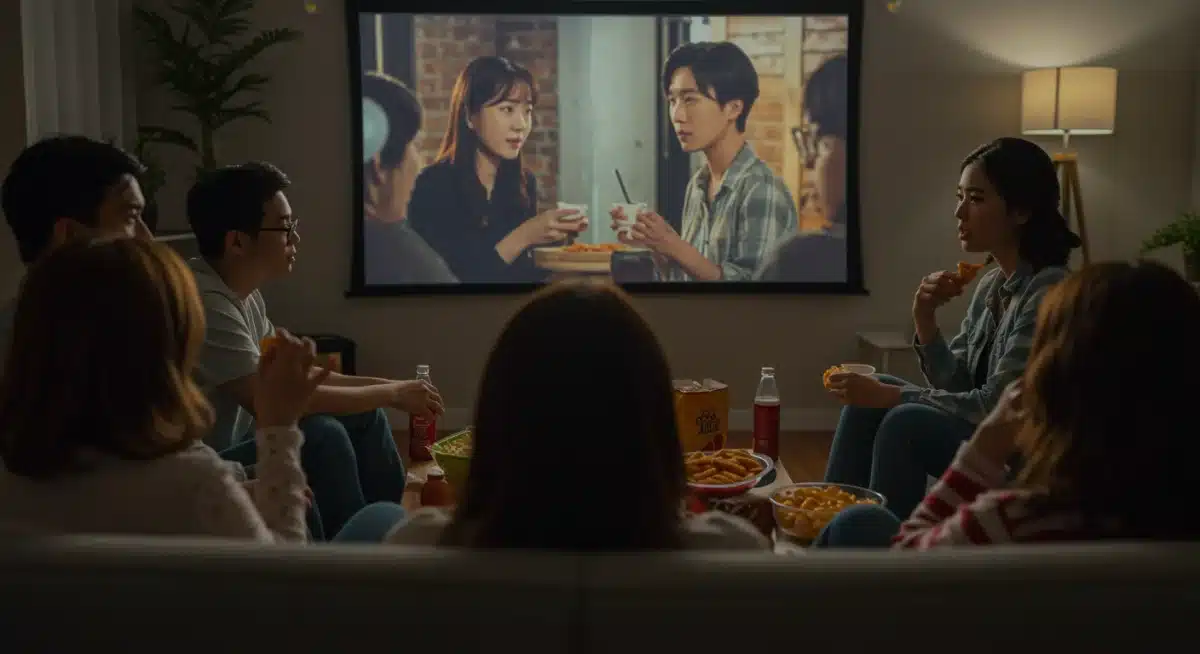
The “found family” trope, where unrelated individuals form deep, familial bonds, is a powerful narrative element widely celebrated in Asian dramas. This trope is gaining significant traction in American pop culture, appealing to audiences who value chosen connections and support systems beyond traditional biological ties. It emphasizes the idea that family is not always defined by blood, but by shared experiences, loyalty, and unconditional love.
This trope often arises in contexts where characters are estranged from their biological families, have lost loved ones, or are simply navigating a challenging world on their own. They find solace and strength in unexpected friendships that evolve into something much deeper, providing emotional anchors and a sense of belonging.
The Power of Chosen Bonds
The appeal of the “found family” trope lies in its universality. Many people, especially younger generations, relate to the idea of building their own support networks. It celebrates diverse relationships and highlights the importance of community and mutual care, themes that resonate strongly in contemporary society.
- Emotional Support: Characters provide comfort and stability to one another during difficult times.
- Shared Goals: The group often unites around a common purpose, strengthening their bond.
- Acceptance and Belonging: Individuals find a place where they are truly valued and understood.
- Overcoming Adversity: Together, the found family faces challenges that would be insurmountable alone.
Asian dramas excel at portraying these intricate relationships with authenticity and heart, showcasing how these chosen families navigate life’s complexities, offer unwavering support, and create a haven for their members. This nuanced depiction of kinship offers a refreshing perspective on familial structures, moving beyond conventional norms.
The “found family” trope’s rising prominence in American pop culture underscores a collective desire for narratives that celebrate chosen bonds and highlight the strength derived from diverse, supportive communities. It offers a powerful message about love, belonging, and the enduring human need for connection.
Impact on American Storytelling
The increasing popularity of these Asian drama tropes is not merely a passing trend; it signifies a deeper integration into American storytelling. Writers, producers, and directors are observing the success of these narrative structures and adapting them for Western audiences. This cultural exchange enriches the American entertainment landscape, pushing creative boundaries and introducing fresh perspectives.
The influence can be seen in various forms, from subtle narrative shifts in TV shows to more direct adaptations of specific plot devices. American creators are learning to embrace the emotional depth, character complexity, and slower narrative pacing that often characterize Asian dramas, moving away from purely action-driven or overtly dramatic storytelling.
Adaptation and Innovation
The process of incorporating these tropes involves careful adaptation to ensure they resonate with American cultural contexts without losing their original essence. This often leads to innovative storytelling that blends the best of both worlds, creating content that feels both familiar and refreshingly new.
- Nuanced Character Development: A greater focus on the internal journeys and emotional growth of characters.
- Complex Relationship Arcs: Moving beyond simple romantic narratives to explore more intricate, evolving connections.
- Exploration of Social Themes: Using narrative devices to comment on class, family, and societal pressures.
- Global Appeal: Creating content that appeals to a broader international audience, transcending cultural specificities.
Furthermore, the success of Asian dramas in America has opened doors for more diverse representation both in front of and behind the camera. It encourages a global perspective in content creation, recognizing that compelling stories can originate from any cultural background and find universal appeal. This cross-cultural dialogue fosters a more inclusive and dynamic entertainment industry.
The impact of Asian drama tropes on American storytelling is profound and multifaceted. It encourages innovation, broadens narrative horizons, and promotes a richer understanding of diverse cultural perspectives, ultimately leading to more engaging and globally resonant content.
Audience Engagement and Cultural Exchange
The traction gained by these Asian drama tropes in American pop culture is largely driven by a highly engaged audience. This engagement goes beyond passive consumption; it involves active participation in online communities, discussions, and the sharing of cultural insights. This dynamic interaction fosters a rich environment for cultural exchange, breaking down barriers and promoting understanding.
American viewers are not just enjoying the stories; they are actively seeking out information about the cultural contexts, linguistic nuances, and societal norms depicted in these dramas. This curiosity transforms entertainment into an educational experience, enriching their understanding of diverse cultures and global perspectives.
Building Bridges Through Storytelling
The shared experience of watching and discussing these dramas creates a sense of community among viewers, transcending geographical and cultural divides. This communal engagement is a powerful force for cultural diplomacy, allowing people from different backgrounds to connect over shared interests and emotional experiences.
- Online Communities: Forums, social media groups, and fan pages thrive with discussions about plot points, character analyses, and cultural interpretations.
- Increased Exposure: Viewers are exposed to new traditions, languages, and social dynamics.
- Empathy and Understanding: Storytelling helps build empathy for characters and their cultural contexts.
- Demand for Diverse Content: The success of these tropes encourages networks and streaming platforms to invest in more diverse international content.
This active audience engagement is a testament to the universal power of storytelling. When narratives resonate deeply, they inspire curiosity and a desire for connection, leading to a more informed and culturally aware viewership. The exchange is symbiotic: Asian dramas gain a wider audience, and American audiences gain a deeper appreciation for global narratives.
Audience engagement is a critical component of the cultural exchange facilitated by Asian drama tropes. This active participation not only drives the popularity of these narratives but also fosters greater understanding and connection between diverse cultures, proving the unifying power of shared stories.
The Future of Cross-Cultural Narratives
The current trajectory suggests a future where cross-cultural narratives, particularly those influenced by Asian drama tropes, will become even more prominent in American pop culture. This movement is not a temporary fad but a significant evolution in global entertainment, driven by audience demand for diverse, emotionally rich, and innovative storytelling. The success of these tropes paves the way for a more integrated and globally conscious media landscape.
As streaming platforms continue to expand their international content libraries and algorithms become more adept at recommending diverse shows, the accessibility of Asian dramas will only increase. This enhanced accessibility will further expose American audiences to new narrative styles and cultural nuances, solidifying the influence of these tropes.
Evolving Storytelling Paradigms
The future will likely see a continued blending of narrative traditions, where Western and Eastern storytelling techniques merge to create entirely new forms of entertainment. This hybrid approach promises to deliver content that is both innovative and universally appealing, breaking free from conventional molds.
- Increased Co-productions: More collaborations between American and Asian production companies.
- Diversified Character Archetypes: A broader range of complex and culturally specific character types.
- Innovative Plot Structures: Experimentation with non-linear narratives and unique pacing elements.
- Globalized Themes: Stories that explore universal human experiences through diverse cultural lenses.
Moreover, the growing influence of these tropes will encourage American creators to think beyond traditional frameworks, fostering a more experimental and open-minded approach to storytelling. This evolution is crucial for keeping entertainment fresh, relevant, and reflective of a globalized audience.
The future of cross-cultural narratives, significantly shaped by Asian drama tropes, points towards a more diverse, innovative, and interconnected entertainment world. This ongoing cultural exchange promises to enrich storytelling for audiences worldwide, creating a vibrant tapestry of shared human experiences and narratives.
| Key Trope | Brief Description |
|---|---|
| Enemies-to-Lovers | Characters initially in conflict develop romantic feelings, driven by tension and gradual understanding. |
| Chaebol Heir/Poor Protagonist | A wealthy heir falls for a struggling individual, exploring class differences and societal pressures. |
| Found Family | Unrelated individuals form deep, familial bonds based on shared experiences and mutual support. |
Frequently Asked Questions About Asian Drama Tropes
Asian drama tropes appeal to American audiences due to their unique storytelling, emotional depth, and complex character development. They offer fresh perspectives on universal themes like love, family, and social dynamics, providing a refreshing alternative to traditional Western narratives.
The “enemies-to-lovers” trope features characters who initially dislike each other but gradually fall in love. Its compelling nature comes from the heightened tension, witty exchanges, and the satisfying emotional journey of two individuals overcoming initial animosity to find a deep connection.
This trope highlights socioeconomic disparities by contrasting extreme wealth with humble origins. It often critiques class structures, family expectations, and the pressures of privilege, while also offering a romantic fantasy where love transcends social barriers and challenges societal norms.
The “found family” trope resonates by emphasizing chosen bonds and support systems beyond biological ties. It reflects a contemporary appreciation for community, mutual care, and the idea that family can be formed through shared experiences, loyalty, and unconditional love, offering a sense of belonging.
Yes, the influence is expected to grow. Increased accessibility through streaming platforms, audience demand for diverse stories, and a growing appreciation for cross-cultural narratives suggest a continued blending of storytelling traditions. This will lead to more innovative and globally conscious entertainment.
Conclusion
The significant traction of these Asian drama tropes in American pop culture marks a pivotal moment in global entertainment. The “enemies-to-lovers” dynamic, the “chaebol heir/poor protagonist” narrative, and the heartwarming “found family” trope are not just captivating audiences; they are actively shaping the future of storytelling. This cross-cultural exchange enriches our understanding, fosters empathy, and paves the way for a more diverse and interconnected world of entertainment, demonstrating the universal power of compelling narratives.