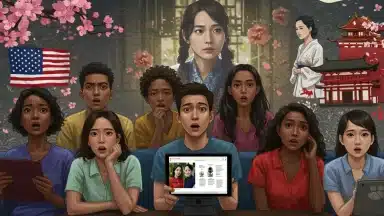
By 2026, the pervasive influence of Asian dramas has fundamentally reshaped American cultural norms, demonstrating a significant shift in entertainment preferences and societal perceptions through their global appeal and innovative narratives.
The cultural landscape of the United States is in constant flux, and by 2026, one of the most prominent forces shaping this evolution is undeniably the burgeoning popularity of Asian dramas. This article delves into how Asian dramas American culture is experiencing a profound redefinition, exploring the intricate ways these narratives are permeating American households and influencing everything from media consumption to social discourse.
The Rise of Global Storytelling and Accessibility
The journey of Asian dramas from niche content to mainstream American entertainment is a testament to the power of accessible, high-quality storytelling. What once required dedicated searching on obscure forums or specialized streaming services is now readily available on major platforms, democratizing access and fostering a new era of cultural exchange.
This increased accessibility has played a crucial role in breaking down geographical and linguistic barriers. Viewers are no longer limited to Hollywood productions, but instead have a vast ocean of diverse narratives at their fingertips, leading to a more globalized media diet.
Streaming Platforms as Cultural Gateways
Streaming giants have become pivotal in this cultural shift, investing heavily in licensing and subtitling Asian content. Their algorithms, designed to recommend similar shows, have inadvertently introduced countless viewers to the rich tapestry of Asian storytelling.
- Netflix’s extensive library of K-dramas, C-dramas, and J-dramas.
- Hulu’s growing collection of East Asian series and films.
- Dedicated platforms like Viki and Kocowa catering specifically to Asian drama enthusiasts.
The ease with which these shows can be discovered and consumed has transformed viewing habits. It’s no longer about passively watching; it’s about actively exploring and engaging with stories from different cultural contexts.
The proliferation of high-quality translations and dubbing options has further lowered the entry barrier for American audiences. This multi-pronged approach ensures that language is no longer an impediment to enjoying compelling narratives, allowing the emotional depth and universal themes of Asian dramas to resonate widely.
Impact on American Media Consumption Habits
The influx of Asian dramas has significantly altered how Americans consume media, moving beyond traditional viewing patterns and fostering a more engaged, global perspective. This shift is visible in the types of content people seek out and the way they interact with it.
American viewers are increasingly seeking narratives that offer fresh perspectives and deviate from conventional Western storytelling tropes. Asian dramas, with their unique pacing, character development, and genre blending, provide exactly that.
Beyond the Binge: Deeper Engagement
While binge-watching remains popular, the episodic nature and often intricate plots of many Asian dramas encourage a more thoughtful engagement. Viewers discuss theories, share reactions, and delve into cultural nuances, creating vibrant online communities.
- Online forums and social media groups dedicated to specific dramas.
- YouTube channels offering recaps, analyses, and cultural explanations.
- Fan communities organizing virtual watch parties and discussions.
This deeper engagement extends beyond the screen, often inspiring viewers to explore the culture, language, and history behind the dramas. It transforms passive consumption into an active learning experience, broadening horizons and fostering cross-cultural understanding.
The preference for diverse content is also influencing production studios in the West. There’s a growing recognition that audiences crave originality and stories that reflect a globalized world, leading to more inclusive casting and narrative choices in American productions.
Reshaping Social Norms and Interpersonal Dynamics
Beyond entertainment, Asian dramas are subtly, yet powerfully, influencing American social norms and interpersonal dynamics. They introduce different cultural perspectives on relationships, family values, work ethic, and societal expectations, prompting viewers to reflect on their own cultural frameworks.
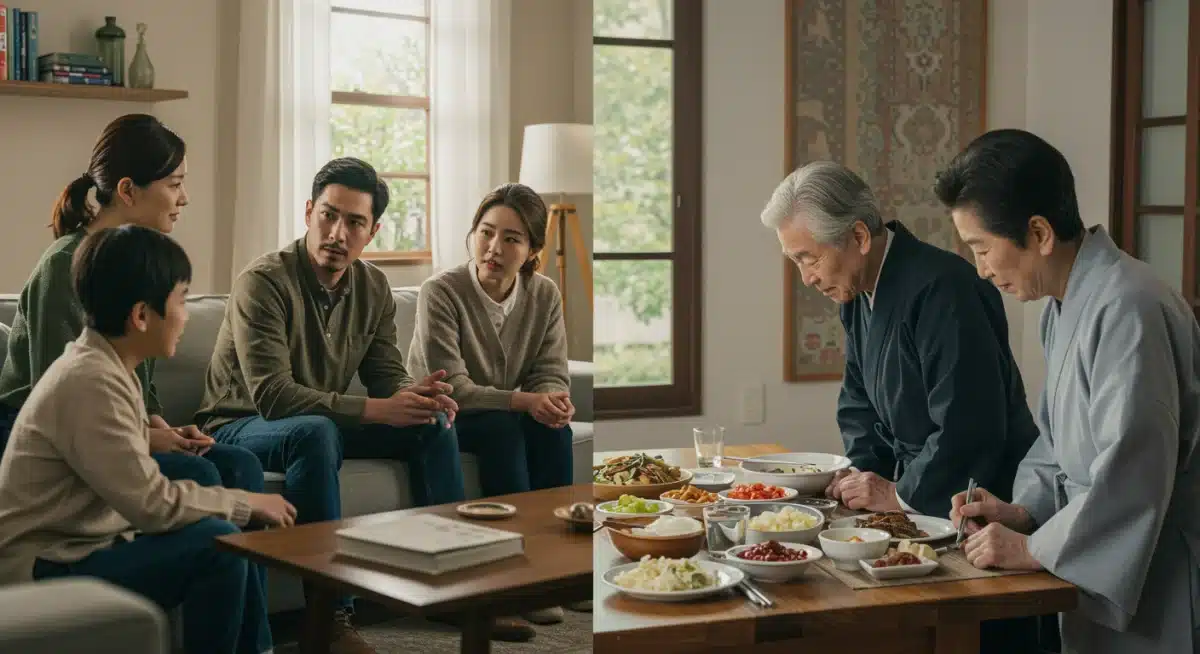
The portrayal of respect for elders, collective responsibility, and nuanced romantic relationships often contrasts with Western narratives, offering alternative models for interaction and societal structure.
Rethinking Romance and Relationships
Many Asian dramas, particularly K-dramas, are renowned for their slow-burn romances, emphasis on emotional connection over physical intimacy, and respectful portrayal of courtship. This approach resonates with viewers disillusioned by overly sexualized or formulaic Western romantic narratives.
The focus on character development and emotional depth in relationships provides a refreshing alternative, fostering discussions about healthy communication and genuine connection.
Moreover, the depiction of tight-knit family units and the importance of community in many Asian dramas highlight values that some American viewers feel are increasingly absent in their own society. This exposure can spark conversations about strengthening familial bonds and community engagement.
The subtle ways these dramas present different social cues and communication styles also contribute to a broader understanding of human interaction, encouraging empathy and cultural sensitivity among American audiences. This exposure is vital in an increasingly interconnected world.

Influence on Fashion, Beauty, and Lifestyle Trends
The visual appeal of Asian dramas extends beyond their compelling storylines, significantly impacting American fashion, beauty, and lifestyle trends. Characters’ wardrobes, makeup styles, and even interior designs are inspiring viewers to experiment with new aesthetics and consumption choices.
This influence is particularly strong among younger demographics who are highly attuned to visual culture and fast-moving trends disseminated through social media.
K-Fashion and K-Beauty Boom
The global phenomenon of K-pop and K-dramas has ushered in a massive interest in K-fashion and K-beauty. Viewers are captivated by the characters’ impeccable styling, leading to increased demand for specific brands and styles popularized on screen.
- The rise of ‘glass skin’ and intricate skincare routines.
- Demand for oversized blazers, pastel color palettes, and minimalist accessories.
- Influence on hair trends, from specific cuts to vibrant color choices.
Beyond fashion and beauty, Asian dramas also showcase diverse lifestyle elements, from culinary delights to unique home decor. This exposure encourages viewers to explore new cuisines, try different types of tea, or even redecorate their living spaces with an East Asian aesthetic.
The aspirational lifestyles portrayed in many dramas, often highlighting sophisticated urban living or serene natural settings, provide a new benchmark for what is considered desirable, further broadening American consumer tastes and preferences.
Language Acquisition and Cultural Education
One of the most remarkable, albeit often underestimated, impacts of Asian dramas is their role in fostering language acquisition and cultural education among American audiences. What begins as entertainment often evolves into a genuine desire to understand the spoken language and the cultural nuances presented.
Subtitles become a gateway, and the repetitive exposure to native speech patterns, idioms, and expressions naturally aids in language learning.
Learning Beyond the Classroom
Many viewers report picking up basic phrases, understanding cultural references, and even being motivated to formally study languages like Korean, Mandarin, or Japanese. This informal learning environment is highly effective due to its engaging nature.
- Increased enrollment in East Asian language courses at universities.
- Growth of language learning apps focusing on Korean and Japanese.
- Development of fan-made language guides and cultural glossaries.
The cultural context embedded within these dramas provides a rich educational experience. Viewers learn about historical events, social hierarchies, traditional customs, and modern societal challenges in a compelling narrative format, making complex topics accessible and relatable.
This informal cultural education contributes to a more informed and globally aware American populace, fostering greater appreciation for diverse cultures and reducing ethnocentric biases. The empathy developed through understanding different perspectives is invaluable.
The Future: Integration and Continued Evolution
Looking ahead to 2026 and beyond, the influence of Asian dramas on American culture is poised to deepen and evolve further. The initial fascination is transitioning into a more integrated appreciation, suggesting a lasting impact on the cultural fabric of the United States.
This integration means that elements once considered ‘foreign’ are becoming increasingly normalized, influencing mainstream media and daily life in subtle yet significant ways.
Cross-Cultural Collaborations and Adaptations
We are already witnessing a rise in cross-cultural collaborations, with American production companies seeking to adapt successful Asian drama formats or co-produce new content. This trend is likely to accelerate, leading to a truly globalized entertainment industry.
The success of American remakes or adaptations will further cement the influence of Asian storytelling techniques and thematic elements within the domestic market, blurring the lines between what is considered ‘American’ and ‘Asian’ entertainment.
Moreover, the continuous innovation in Asian drama production, coupled with evolving viewer preferences, ensures that this cultural exchange remains dynamic. As new genres and narrative styles emerge from Asia, they will continue to inspire and challenge American creative industries.
The sustained popularity and ever-growing accessibility of Asian dramas mean that their role in shaping American cultural norms is not a fleeting trend but a fundamental shift towards a more interconnected and culturally diverse society.
| Key Influence | Brief Description |
|---|---|
| Media Consumption | Increased access via streaming platforms diversifies American viewing habits, fostering global content preference. |
| Social Norms | Introduces alternative perspectives on relationships, family values, and societal expectations, sparking reflection. |
| Fashion & Lifestyle | Drives trends in K-beauty, K-fashion, and culinary exploration, influencing consumer choices and aesthetics. |
| Language & Education | Motivates language learning and provides informal cultural education, fostering global awareness. |
Frequently Asked Questions About Asian Drama Influence
Streaming platforms like Netflix, Hulu, and Viki have been crucial by licensing extensive catalogs of Asian dramas, providing high-quality subtitles and dubbing. Their recommendation algorithms expose these shows to broader audiences, overcoming language barriers and making diverse content easily accessible to American viewers.
Asian dramas primarily impact American norms related to romantic relationships, family values, and social etiquette. They often present more reserved courtship, strong familial bonds, and respect for elders, prompting viewers to reconsider traditional Western perspectives and fostering new discussions on these social constructs.
Absolutely. The visual aesthetics of Asian dramas, especially K-dramas, have led to a boom in K-fashion and K-beauty trends in the US. Viewers are adopting specific clothing styles, makeup techniques like ‘glass skin,’ and skincare routines inspired by their favorite characters and actors, driving consumer demand.
Yes, they do. Many American viewers report learning basic phrases and gaining an interest in studying languages like Korean, Mandarin, or Japanese after watching Asian dramas. The repetitive exposure to the language in an entertaining context serves as a powerful motivator for informal and formal language acquisition.
Asian dramas are vital tools for cultural education. They immerse viewers in different societal norms, historical contexts, and daily life, fostering empathy and a deeper understanding of diverse cultures. This exposure helps break down stereotypes and promotes a more globally aware and culturally sensitive American audience.
Conclusion
The journey of Asian dramas from niche interest to a significant cultural force in the United States by 2026 is a compelling narrative in itself. Their influence stretches across media consumption, reshapes social norms, dictates fashion and lifestyle choices, and even inspires language acquisition. This profound shift underscores a growing American appetite for diverse storytelling and a greater openness to global cultural expressions. As these dramas continue to evolve and gain traction, their role in fostering a more interconnected and culturally rich American society will only expand, solidifying their status as a transformative cultural phenomenon.