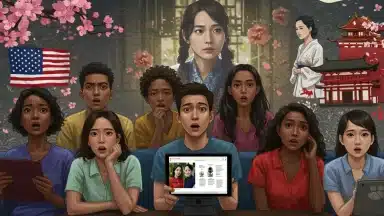
Asian dramas are powerfully dismantling Western stereotypes by offering nuanced portrayals of diverse cultures. This analysis explores their significant impact on global audiences and evolving cross-cultural representation in 2025.
In an increasingly interconnected world, media plays a pivotal role in shaping perceptions. For years, Western media often presented a narrow, sometimes stereotypical, view of Asian cultures and people. However, in 2025, a significant shift is evident: How Asian Dramas Challenge Western Stereotypes: A 2025 Analysis of Cross-Cultural Representation and Its Evolving Impact reveals a powerful counter-narrative emerging from the vibrant landscape of Asian television. These dramas, from the fast-paced K-dramas to the introspective J-dramas, are not just entertaining; they are actively redefining global cultural understanding.
The Evolution of Asian Drama: From Niche to Global Phenomenon
Asian dramas have undergone a remarkable transformation, moving from niche regional entertainment to a global cultural force. What began as localized content has, by 2025, become a significant player in the international streaming landscape, captivating audiences across continents. This widespread appeal is not merely due to compelling storylines but also to a deliberate and often unconscious effort to present narratives that resonate universally while maintaining cultural authenticity.
The early 2000s saw the initial ripples of the “Hallyu” wave, primarily driven by K-dramas, but this has since expanded to include content from Japan, China, Thailand, and other Asian nations. Streaming platforms have been instrumental in this expansion, providing unprecedented access to diverse cultural narratives previously unavailable to Western audiences. This accessibility has fostered a growing appreciation and understanding of Asian societies, challenging preconceived notions.
Breaking Down Geographical Barriers
The digital age has effectively demolished the geographical barriers that once confined Asian dramas to their originating regions. With subtitles and dubbing readily available, language is no longer a significant impediment. This ease of access has allowed narratives rooted in Asian experiences to reach millions, fostering a deeper engagement with diverse cultural contexts.
- Accessibility: Streaming services like Netflix, Viki, and Amazon Prime Video have made Asian dramas readily available globally.
- Localization: High-quality subtitles and dubbing ensure broad understanding and enjoyment across different linguistic groups.
- Recommendation Algorithms: AI-driven recommendations expose new viewers to diverse Asian content, expanding their cultural horizons.
In conclusion, the journey of Asian dramas from regional favorites to global sensations is a testament to their inherent quality and the power of digital distribution. This evolution has laid the groundwork for their significant role in challenging and reshaping Western perceptions of Asian cultures.
Deconstructing Traditional Western Stereotypes of Asia
For decades, Western media often painted Asia with a broad, often reductive brush. Stereotypes ranged from the “model minority” myth to the exoticized “oriental” femme fatale, or the perpetually stoic and subservient character. These portrayals frequently stripped Asian individuals of their complexity, reducing them to one-dimensional figures serving a Western-centric narrative. However, Asian dramas are actively dismantling these tropes, offering multifaceted characters and nuanced cultural contexts that defy simplistic categorization.
These older stereotypes were not just inaccurate; they were harmful, contributing to misunderstandings and prejudice. They often focused on external characteristics or exaggerated cultural practices, ignoring the rich tapestry of human experience within Asian societies. By 2025, the increased visibility of Asian dramas has become a crucial antidote to these limited perspectives, presenting a more authentic and diverse reality.
Challenging the “Model Minority” Myth
The “model minority” stereotype, while seemingly positive, is insidious. It pressures Asian individuals to conform to high academic and professional achievement while often overlooking mental health struggles or socio-economic disparities. Asian dramas frequently portray characters struggling with family expectations, career failures, and personal anxieties, thus humanizing experiences beyond this narrow definition.
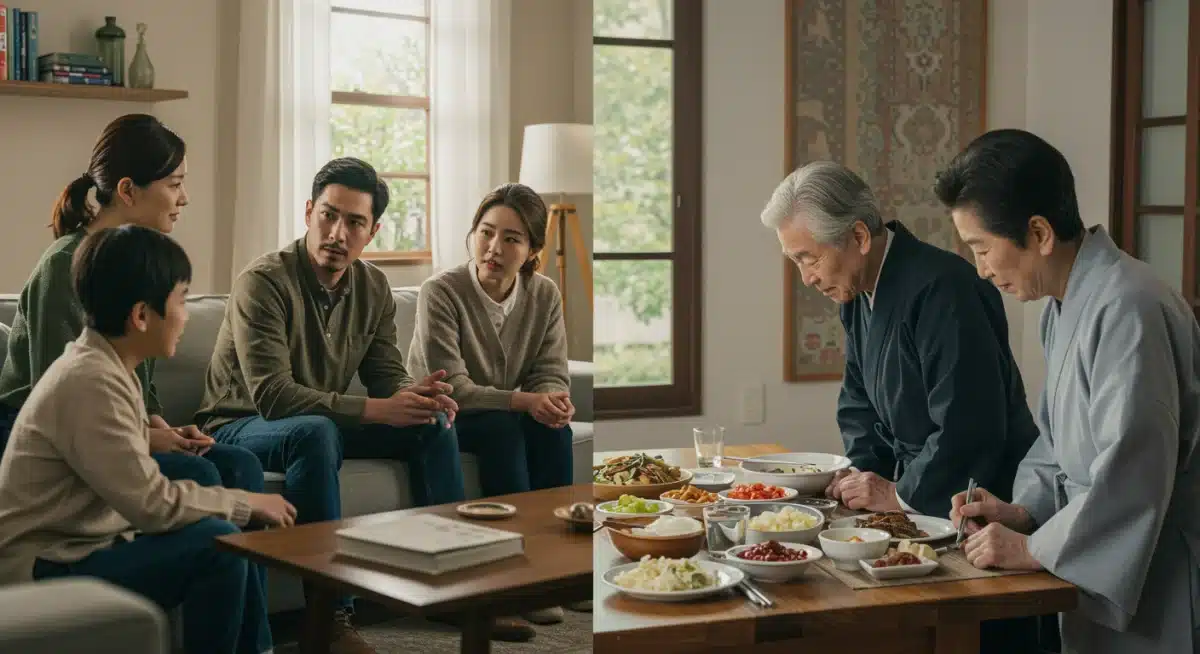
Consider the depiction of family dynamics. While respect for elders is a common theme, dramas also explore generational conflict, rebellion, and the pursuit of individual dreams often at odds with familial desires. This showcases the internal struggles and complexities that defy the monolithic “model minority” label.
Beyond the Exotic and the Subservient
The exoticization of Asian women and the portrayal of Asian men as either effeminate or hyper-masculine martial artists have been persistent issues. Asian dramas, particularly K-dramas and C-dramas, showcase diverse romantic leads who are confident, flawed, and charismatic, breaking away from these limiting archetypes. Female characters often hold powerful positions, lead businesses, or are strong, independent individuals navigating complex emotional landscapes.
- Diverse Character Arcs: Characters are shown with flaws, ambitions, and personal growth, moving beyond flat stereotypes.
- Empowered Women: Female leads often defy traditional gender roles, showcasing strength, intelligence, and agency.
- Complex Male Leads: Men are portrayed with emotional depth, vulnerability, and varied expressions of masculinity.
In essence, Asian dramas provide a vital counter-narrative, illustrating that Asian identities are far more varied and profound than historically presented in Western media. They challenge viewers to look beyond the surface and appreciate the intricate layers of human experience.
Authentic Representation: Nuance in Character and Culture
One of the most potent ways Asian dramas challenge Western stereotypes is through their commitment to authentic representation. This authenticity extends beyond superficial cultural markers, delving into the nuances of character development, societal norms, and interpersonal relationships. Unlike many Western productions that might tokenized Asian characters, these dramas are created by and for Asian audiences, resulting in a depth and realism that resonates globally.
By showcasing everyday life, cultural traditions, and modern societal challenges from an insider’s perspective, these dramas provide a window into the genuine experiences of diverse Asian communities. This allows Western viewers to move past generalizations and appreciate the rich tapestry of individual cultures within Asia.

Exploring Diverse Lifestyles and Social Issues
Asian dramas don’t shy away from complex social issues, often tackling topics like mental health, economic inequality, LGBTQ+ rights (in varying degrees across regions), and the pressures of modern life. These narratives provide a more holistic view of contemporary Asian societies, often mirroring universal human struggles while grounding them in specific cultural contexts. This stands in stark contrast to Western media’s tendency to focus on historical or exoticized depictions.
For example, a K-drama might explore the intense academic pressure faced by students, while a J-drama might delve into the challenges of an aging population or workplace burnout. These storylines offer a humanizing glimpse into the realities faced by millions, fostering empathy and understanding.
- Societal Realism: Dramas depict real-world challenges and triumphs, offering a grounded perspective.
- Cultural Specificity: Details of daily life, traditions, and customs are portrayed with accuracy and respect.
- Emotional Depth: Characters exhibit a wide range of emotions and experiences, fostering relatability.
The strength of Asian dramas lies in their ability to present characters and cultures with genuine nuance. This authentic representation is key to dismantling outdated stereotypes and fostering a more accurate global understanding of Asian identities.
The Impact on Western Audiences: Bridging Cultural Gaps
The burgeoning popularity of Asian dramas among Western audiences is more than just a trend; it signifies a powerful cultural exchange that actively bridges long-standing gaps in understanding. As viewers immerse themselves in these narratives, they are exposed to different perspectives, values, and social norms, leading to a more nuanced appreciation of Asian cultures. This engagement fosters empathy and dismantles ethnocentric biases that may have been reinforced by limited Western media portrayals.
By 2025, the impact is evident in various facets, from increased interest in learning Asian languages to a greater demand for Asian cuisine and travel. The dramas act as cultural ambassadors, creating a desire among Western audiences to explore and understand the roots of these compelling stories.
Fostering Empathy and Understanding
When Western viewers connect with characters facing universal human dilemmas within an Asian context, it cultivates empathy. Seeing characters navigate love, loss, ambition, and family struggles, regardless of their cultural backdrop, highlights shared human experiences. This emotional connection helps to break down the “othering” often associated with stereotypical representations.
The ability to relate to diverse characters on a personal level allows audiences to see beyond superficial differences and recognize commonalities, thereby fostering a more inclusive worldview. This is particularly crucial for younger generations who are growing up with unprecedented access to global content.
Shifting Perceptions of Beauty and Fashion
Asian dramas have also significantly influenced Western perceptions of beauty and fashion. The aesthetics presented in these shows, from K-pop idols’ innovative styles to traditional attire in historical dramas, have garnered immense attention. This exposure challenges Eurocentric beauty standards and introduces diverse expressions of style and attractiveness.
- Redefining Beauty Standards: Non-Western beauty ideals gain wider recognition and appreciation.
- Fashion Trends: Asian fashion and cosmetic trends are increasingly adopted and celebrated in the West.
- Cultural Appreciation: Viewers develop a greater appreciation for the artistry and diversity in Asian cultural expressions.
Ultimately, the growing consumption of Asian dramas in the West is a testament to their power in fostering cross-cultural understanding. They are not just entertaining but are actively reshaping perceptions and building bridges between different parts of the world.
Beyond Entertainment: Social Commentary and Progressive Themes
Asian dramas are far more than mere entertainment; many serve as powerful vehicles for social commentary and the exploration of progressive themes. While often wrapped in engaging plots and charismatic characters, these narratives frequently tackle complex societal issues head-on, prompting viewers to reflect on their own values and the world around them. This deliberate inclusion of social critique further distinguishes them from simplistic, stereotypical portrayals.
By 2025, the willingness of Asian drama creators to engage with sensitive topics, sometimes even pushing against traditional norms within their own societies, has made them influential platforms for dialogue and change. They reflect contemporary concerns and aspirations, offering a window into the evolving social landscapes of Asia.
Addressing Mental Health Stigma
Mental health remains a significant challenge globally, and many Asian societies have historically grappled with stigma surrounding it. However, a growing number of Asian dramas are openly addressing mental health issues, depicting characters dealing with depression, anxiety, trauma, and other psychological struggles. These portrayals help to normalize conversations around mental health and encourage empathy.
For instance, some dramas showcase characters seeking therapy, relying on support networks, or navigating the complexities of mental illness with honesty. This nuanced approach contrasts sharply with any stereotype of Asian individuals as stoic and emotionally repressed, highlighting their vulnerability and resilience.
Exploring Gender Roles and Equality
While traditional gender roles still exist in many Asian cultures, dramas are increasingly challenging these norms. Female characters are often depicted as ambitious professionals, strong leaders, or individuals breaking free from societal expectations. Male characters, too, are shown in more diverse roles, embracing vulnerability, caregiving, and non-traditional careers.
- Empowering Female Protagonists: Women in leadership, entrepreneurial, and unconventional roles are frequently featured.
- Challenging Patriarchal Norms: Dramas often subtly or overtly critique outdated patriarchal structures and expectations.
- Diverse Masculinities: Male characters are portrayed with emotional depth, showcasing a broader spectrum of masculinity.
Through their compelling narratives, Asian dramas contribute significantly to social discourse, offering progressive viewpoints and fostering deeper understanding of complex human experiences beyond mere entertainment.
The Future of Cross-Cultural Representation in 2025 and Beyond
As we navigate 2025, the trajectory of Asian dramas suggests an even more profound impact on cross-cultural representation in the years to come. The groundwork laid by their global success has created a new landscape where diverse narratives are not only accepted but actively sought after. This shift promises a future where media truly reflects the multifaceted global community, moving further away from reductive stereotypes.
The increasing collaboration between Western and Asian production houses, combined with the continued rise of streaming platforms, will further amplify the reach and influence of these stories. This synergy is likely to lead to even more innovative and inclusive content that transcends geographical and cultural boundaries.
Increased Collaboration and Co-productions
The success of Asian dramas is paving the way for more international co-productions and collaborations. This blending of creative talent and resources from different regions will lead to richer, more universally resonant narratives. Such partnerships can help ensure that stories are told authentically while also being accessible to a wider global audience.
These collaborations can also facilitate a two-way exchange of ideas, where Western creators learn from Asian storytelling techniques and vice-versa, leading to a more diverse and sophisticated global media landscape. This cross-pollination of creative approaches is essential for continued growth.
The Role of Fandoms in Shaping Future Content
Dedicated global fandoms play a crucial role in the continued success and evolution of Asian dramas. Their passionate engagement, online discussions, and demand for more diverse content directly influence production companies and streaming platforms. These communities act as powerful advocates for authentic representation and often push for stories that challenge existing norms.
- Fan Engagement: Active fan communities drive demand and generate buzz for new content.
- Advocacy for Diversity: Fandoms often champion inclusive storytelling and representation.
- Global Reach: Fan translations and discussions help bridge language barriers and expand audience reach.
Looking ahead, Asian dramas are poised to continue their pivotal role in shaping cross-cultural representation. Their ongoing evolution, driven by both creative innovation and audience demand, promises a more inclusive and understanding global media environment.
| Key Aspect | Impact on Stereotypes |
|---|---|
| Global Accessibility | Increased exposure to diverse Asian cultures beyond Western media filters. |
| Character Nuance | Portrays complex, multifaceted individuals, breaking “model minority” and exoticized tropes. |
| Social Commentary | Addresses mental health, gender roles, and societal pressures, fostering deeper understanding. |
| Cultural Exchange | Bridging gaps, shifting Western perceptions of beauty, fashion, and lifestyle. |
Frequently Asked Questions About Asian Dramas and Stereotypes
Asian dramas challenge the “model minority” stereotype by showcasing characters with diverse struggles beyond academic or professional success. They depict individuals facing mental health issues, career failures, and personal anxieties, highlighting their humanity and exposing the pressures behind the stereotype, thus offering a more realistic view of Asian lives.
While many Asian dramas increasingly feature progressive gender roles, not all are uniformly so. There’s a growing trend towards empowering female leads and diverse masculinities, but some still adhere to traditional structures. The landscape is evolving, with a noticeable push towards more equitable and nuanced portrayals in recent years.
Streaming platforms are crucial. Services like Netflix and Viki provide unprecedented global access, offering high-quality subtitles and dubbing. Their recommendation algorithms introduce Asian dramas to new audiences, effectively breaking down geographical and linguistic barriers and fueling their international popularity and impact on cultural perceptions.
Asian dramas significantly influence Western beauty and fashion by showcasing diverse aesthetics. They popularize non-Western beauty standards, introduce new fashion trends, and highlight unique styles, thereby challenging Eurocentric ideals. This exposure fosters a broader appreciation for diverse expressions of attractiveness and cultural artistry.
The future outlook is highly positive. Increased international collaborations, co-productions, and the continued influence of global fandoms suggest even more diverse and authentic representation. Asian dramas will likely continue to challenge stereotypes, bridge cultural gaps, and foster a more inclusive and nuanced understanding of global societies.
Conclusion
In conclusion, the transformative power of Asian dramas in challenging Western stereotypes is undeniable in 2025. By offering rich, authentic, and complex portrayals of Asian lives and cultures, these shows are not merely entertaining; they are actively reshaping global perceptions. They dismantle reductive myths, foster empathy, and promote a deeper cross-cultural understanding. As their global reach continues to expand, Asian dramas stand as a testament to the power of storytelling to bridge divides and cultivate a more informed and inclusive world.