Asian Dramas Challenge American Gender Roles: New Perspectives 2026
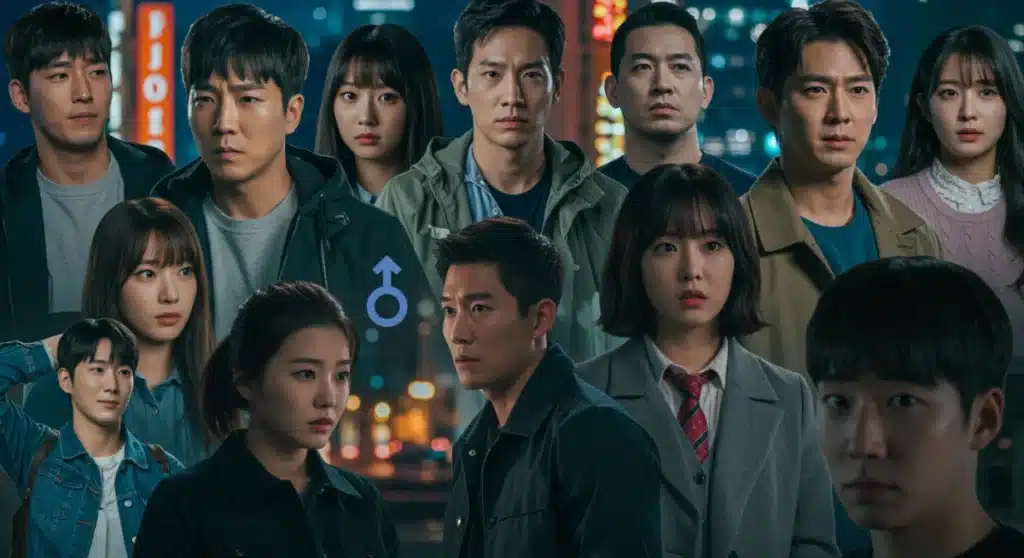
Asian dramas are increasingly challenging and redefining traditional American gender roles, introducing nuanced portrayals of masculinity, femininity, and relationships that resonate with and influence global audiences in 2026.
In an increasingly interconnected world, entertainment transcends borders, bringing with it new ideas and cultural nuances. This article explores how New Perspectives for 2026: An Analysis of How Asian Dramas Challenge Traditional American Gender Roles is becoming a significant topic, influencing societal perceptions and prompting discussions.
The Global Rise of Asian Dramas and Cultural Exchange
The past decade has witnessed an unprecedented surge in the global popularity of Asian dramas, particularly those from South Korea, Japan, China, and Thailand. What began as a niche interest has blossomed into a mainstream phenomenon, captivating audiences worldwide, including a significant following in the United States. This rise isn’t merely about captivating storylines or attractive casts; it’s about a deeper cultural exchange, where different societal values and norms are presented, leading to a subtle yet profound impact on viewers’ perceptions.
This exposure introduces American audiences to alternative ways of expressing gender, relationships, and societal expectations. The narratives often diverge sharply from typical Hollywood portrayals, offering a refreshing contrast that challenges preconceived notions. As these dramas become more accessible through streaming platforms, their influence grows, fostering a broader understanding and sometimes, an adoption of these new perspectives.
Beyond the Hype: Understanding the Appeal
The allure of Asian dramas extends beyond their aesthetic appeal. Many viewers are drawn to the rich character development and intricate plotlines that often delve into complex emotional landscapes. These stories provide a window into different cultural approaches to life’s challenges, including how gender is perceived and performed.
- Emotional Depth: Characters frequently display a wide range of emotions, including vulnerability in male leads, which contrasts with traditional stoic American masculinity.
- Relationship Dynamics: Relationships are often portrayed with a focus on respect, communication, and mutual growth, rather than purely physical attraction or power dynamics.
- Societal Commentary: Many dramas subtly critique or explore societal norms, including gender expectations, family pressures, and workplace ethics, offering viewers a different lens through which to view their own societies.
The global embrace of Asian dramas signifies a growing openness among American audiences to engage with diverse cultural narratives. This engagement is crucial for understanding how these dramas are not just entertainment, but also powerful vehicles for cultural commentary and potential social change, particularly regarding traditional gender roles. The consistent exposure to these alternative representations gradually reshapes viewer expectations and broadens their understanding of what gender can entail.
Redefining Masculinity: The Soft Power of Asian Male Leads
One of the most striking ways Asian dramas challenge traditional American gender roles is through their portrayal of masculinity. The archetypal strong, silent, and emotionally reserved American male lead often gives way to a more nuanced and multifaceted male character in Asian dramas. These male leads are frequently depicted as emotionally expressive, nurturing, fashion-conscious, and even vulnerable, without compromising their strength or leadership qualities.
This ‘soft power’ masculinity offers a stark contrast to the often rigid expectations placed on men in Western media. It suggests that emotional intelligence, empathy, and a keen sense of style are not antithetical to masculinity but can indeed be integral components of a desirable male identity. This representation can be particularly impactful for younger American audiences, providing alternative role models that encourage a broader interpretation of what it means to be a man.
Emotional Vulnerability as Strength
Many Asian dramas feature male characters who openly cry, express fear, and seek comfort, challenging the notion that men must always be stoic. This emotional openness is often portrayed as a sign of strength and authenticity, rather than weakness. It allows for deeper character connections and more realistic relationship dynamics.
- Tearful Confessions: Male leads frequently engage in heartfelt confessions or display tears during emotional scenes, normalizing male emotional expression.
- Supportive Partners: They are often shown actively supporting their female counterparts, not just physically but also emotionally and professionally, dismantling patriarchal support structures.
- Domestic Competence: Characters skilled in cooking, cleaning, or childcare are common, breaking down the traditional division of labor based on gender.
The consistent depiction of these traits in popular Asian dramas is slowly but surely influencing how American viewers perceive masculinity. It encourages a discussion about the restrictive nature of traditional gender roles and opens avenues for men to embrace a wider spectrum of emotions and behaviors. This exposure is vital for fostering a more inclusive understanding of gender identity, demonstrating that strength can be found in vulnerability and care.
Empowering Femininity: Beyond Damsels in Distress
While Asian dramas are often criticized for some traditional tropes, they also present powerful and evolving portrayals of femininity that challenge the ‘damsel in distress’ narrative common in older Western media. Many female leads are depicted as intelligent, ambitious, career-driven, and fiercely independent, often driving the plot forward with their decisions and actions. They navigate complex professional lives, stand up for themselves, and pursue their goals with determination.
These characters offer American audiences a refreshing alternative to gender stereotypes, showcasing women who are not solely defined by their relationships with men or their physical appearance. They are complex individuals with their own aspirations, struggles, and triumphs, resonating with a modern audience that values autonomy and self-realization.
Career-Driven and Independent Women
Asian dramas frequently highlight female protagonists who are successful in their careers, whether as CEOs, doctors, artists, or entrepreneurs. Their professional lives are often central to their character arcs, showcasing their resilience and intelligence.
- Professional Ambition: Female leads are often shown to be highly ambitious, prioritizing their careers and personal growth over traditional expectations of marriage or family.
- Financial Independence: Many characters are financially independent, owning businesses or holding high-ranking positions, challenging the notion of women’s economic reliance on men.
- Active Problem-Solvers: Instead of waiting to be rescued, female characters actively seek solutions to their problems, demonstrating agency and resourcefulness.
These portrayals contribute significantly to broadening the scope of what femininity can encompass. By presenting women who are strong, capable, and self-sufficient, Asian dramas offer powerful role models that can inspire American viewers to challenge traditional gender norms and embrace a more expansive view of women’s roles in society. This shift is vital for promoting gender equality and empowering women to pursue their full potential.
Challenging Relationship Paradigms and Family Dynamics
Beyond individual gender roles, Asian dramas also offer alternative perspectives on relationship paradigms and family dynamics, which differ significantly from many traditional American narratives. While romance is a central theme, the depiction of relationships often emphasizes mutual respect, emotional connection, and a slower, more nuanced development, rather than immediate physical intimacy. Family structures, too, are explored with varying degrees of traditionalism and modernity, reflecting cultural shifts.
These dramas often highlight the importance of communication, understanding, and shared responsibility within relationships, providing a contrast to the often idealized or overly dramatic romantic portrayals in some Western media. They delve into the complexities of familial bonds, showcasing both the strengths and challenges of intergenerational relationships and societal expectations.
Evolving Romantic and Familial Bonds
The narratives frequently explore how characters navigate societal pressures regarding marriage, family expectations, and personal desires, offering a more intricate view of relationship development.
- Slow Burn Romance: Relationships often develop over many episodes, focusing on emotional intimacy and shared experiences rather than instant physical attraction.
- Respectful Partnerships: The emphasis is often on partners supporting each other’s aspirations and respecting individual boundaries, fostering healthier relationship models.
- Intergenerational Harmony and Conflict: Family dynamics are deeply explored, showcasing the balance between traditional values and modern aspirations, often challenging patriarchal norms.
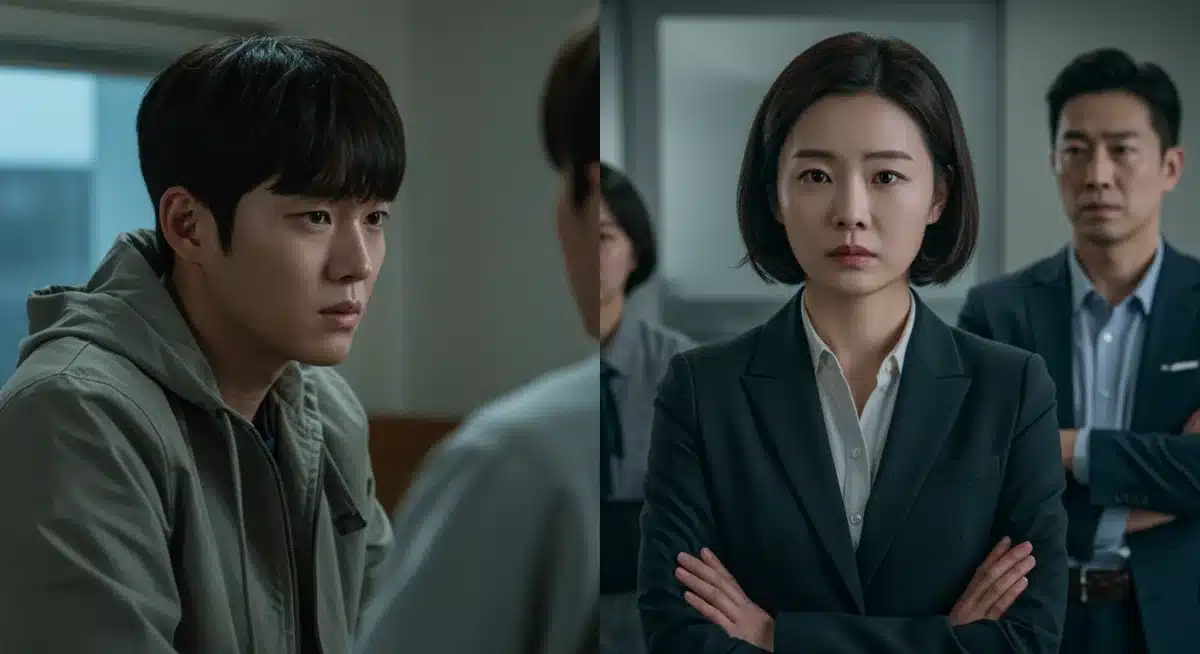
By presenting these diverse relationship and family dynamics, Asian dramas encourage American audiences to reflect on their own societal norms. They offer valuable insights into how relationships can be built on foundations beyond traditional gendered expectations, promoting a more holistic and respectful approach to interpersonal connections. This cultural exchange enriches the understanding of human relationships across different contexts.
The Influence on American Youth and Future Trends
The impact of Asian dramas is particularly noticeable among American youth, who are often more open to new cultural influences and less bound by traditional expectations. For many young viewers, these dramas provide a compelling alternative to the media they grew up with, offering fresh perspectives on identity, relationships, and societal roles. This exposure can shape their understanding of gender in profound ways, fostering greater acceptance of diverse expressions of masculinity and femininity.
As these dramas continue to gain traction, their influence is likely to grow, contributing to a broader cultural shift in how gender is perceived and enacted in American society. This isn’t about replacing American cultural norms but rather enriching them with new ideas and challenging existing limitations. The future of gender roles in America may well be informed by these global dialogues initiated through popular entertainment.
Shifting Perceptions and Role Models
Young audiences are absorbing narratives where traditional gender roles are frequently subverted or explored with greater flexibility, leading to a more fluid understanding of gender identity.
- Diverse Role Models: Youth are exposed to a wider array of male and female role models who defy conventional gender stereotypes, encouraging self-expression.
- Open Conversations: The themes presented in Asian dramas often spark conversations among young people about gender equality, emotional intelligence, and healthy relationships.
- Cultural Empathy: Engaging with diverse cultural narratives fosters greater empathy and understanding of different perspectives on gender and society.
The growing popularity of Asian dramas among American youth signifies a significant cultural phenomenon. It indicates a readiness to embrace more nuanced and inclusive understandings of gender, moving beyond rigid traditional roles. This influence promises to contribute to a more progressive and accepting society in the years to come, with entertainment playing a key role in shaping future trends.
Societal Implications and the Path Forward for 2026
The increasing exposure to alternative gender portrayals in Asian dramas carries significant societal implications for the United States as we look towards 2026 and beyond. This cultural infusion is not merely about entertainment; it’s about a gradual reshaping of societal expectations, challenging the deeply ingrained traditional American gender roles that have long defined our culture. This process can lead to greater gender equality, more inclusive social norms, and a broader acceptance of diverse identities.
As the lines between cultures blur through media consumption, the rigid definitions of masculinity and femininity are becoming more fluid. This shift can empower individuals to express themselves more authentically, free from the constraints of outdated stereotypes. The path forward involves acknowledging and embracing these new perspectives, fostering a society that values diversity and challenges antiquated notions of gender.
Embracing Fluidity and Diversity
The ongoing dialogue initiated by Asian dramas encourages a re-evaluation of what constitutes acceptable or desirable gendered behavior, paving the way for a more flexible society.
- Reduced Stereotyping: Continuous exposure to diverse portrayals helps dismantle harmful gender stereotypes in media and real life.
- Increased Empathy: Understanding different cultural approaches to gender fosters greater empathy and tolerance within American society.
- Progressive Social Norms: The integration of these new perspectives can accelerate the development of more progressive and equitable social norms regarding gender.
Ultimately, the influence of Asian dramas on American gender roles is a testament to the power of cultural exchange through media. It highlights how entertainment can be a catalyst for social change, encouraging a more nuanced and inclusive understanding of identity. By 2026, these new perspectives will likely have further cemented their place in the American cultural landscape, contributing to a more diverse and accepting society.
| Key Aspect | Impact on Gender Roles |
|---|---|
| Masculinity Portrayal | Asian dramas showcase emotionally expressive and nurturing male leads, challenging traditional American stoicism. |
| Femininity Empowerment | Female leads are often career-driven, independent, and problem-solvers, moving beyond ‘damsel in distress’ tropes. |
| Relationship Dynamics | Emphasize mutual respect, emotional connection, and slower romantic development, influencing American relationship ideals. |
| Youth Influence | Young American audiences are exposed to diverse role models, fostering more fluid understandings of gender and identity. |
Frequently Asked Questions About Asian Dramas and Gender Roles
Asian dramas often depict male characters as emotionally expressive, nurturing, and fashionable, challenging the traditional American ideal of stoic masculinity. This ‘soft power’ approach redefines strength through empathy and vulnerability, offering diverse male role models to viewers.
Female leads in Asian dramas are frequently portrayed as intelligent, ambitious, and career-driven individuals who actively solve problems. They often prioritize personal and professional goals, moving beyond traditional roles and showcasing independence and resilience.
Yes, Asian dramas often emphasize mutual respect, emotional connection, and a slower, more nuanced development of romantic relationships. They frequently explore complex family dynamics and societal pressures, providing a contrast to purely physical or dramatic Western romantic narratives.
American youth are exposed to diverse gender portrayals that challenge traditional norms, fostering a more fluid understanding of masculinity and femininity. This encourages open conversations about gender equality and provides a wider array of role models for self-expression.
By 2026, the sustained influence of Asian dramas is expected to contribute to a deeper cultural shift, promoting more inclusive social norms and reducing gender stereotyping. This cultural exchange can empower individuals to express themselves more authentically, fostering a more accepting society.
Conclusion
The cultural phenomenon of Asian dramas has transcended entertainment, emerging as a powerful force in challenging and redefining traditional American gender roles. Through their nuanced portrayals of masculinity, femininity, and relationship dynamics, these series offer fresh perspectives that resonate deeply with audiences, particularly American youth. As we move towards 2026, the ongoing dialogue sparked by Asian dramas will undoubtedly continue to shape societal perceptions, fostering a more fluid, empathetic, and inclusive understanding of gender in the United States. This cross-cultural exchange highlights the profound ability of media to catalyze social change and broaden our collective horizons.