The 6 Most Controversial K-Drama Endings of 2025: A Review and Discussion for 2026 Viewers
The world of K-dramas is a vibrant tapestry of storytelling, weaving together intricate plots, compelling characters, and breathtaking cinematography. Each year, new series capture the hearts of millions globally, transporting them into narratives of romance, intrigue, fantasy, and raw human emotion. However, as any seasoned K-drama enthusiast knows, the journey isn’t always smooth, especially when it comes to the highly anticipated finale. The ending of a K-drama can make or break its legacy, solidifying its place as a masterpiece or relegating it to the annals of disappointment. In 2025, a year marked by groundbreaking productions and bold narrative choices, several K-dramas delivered finales that sparked intense debate, leaving viewers divided, frustrated, and endlessly discussing. These were the controversial K-drama endings that dominated online forums, social media feeds, and water cooler conversations throughout the year, and their echoes are still resonating as we move into 2026. This comprehensive review delves into the six most talked-about and divisive K-drama conclusions of 2025, exploring why they became so polarizing, dissecting fan reactions, and offering an analytical perspective on their narrative choices. Whether you’re catching up on last year’s hits or simply love a good drama debate, prepare to revisit the finales that kept us all on the edge of our seats, for better or worse.
The Anatomy of a Divisive K-Drama Ending
Before we dive into the specific dramas, it’s crucial to understand why certain K-drama endings become so controversial. A perfect K-drama ending is subjective, but generally, it provides a sense of closure, respects character development, aligns with the established tone of the series, and offers a satisfying resolution to the central conflicts. When an ending deviates sharply from these expectations, controversy often erupts. Common triggers for fan outrage include:
- Ambiguous Endings: While some viewers appreciate open interpretations, many desire definitive answers regarding their beloved characters’ fates.
- Unhappy Endings: K-dramas, particularly romances, often build towards a happy conclusion. A tragic or bittersweet ending can feel like a betrayal, especially if foreshadowing was minimal.
- Plot Holes and Inconsistencies: Rushed finales that introduce new plot points or ignore established lore can infuriate viewers who have meticulously followed the story.
- Character Betrayal: When characters act out of character or their development is suddenly undone, it can leave a sour taste.
- Unearned Resolutions: Solutions that feel too convenient or deus ex machina can undermine the emotional investment built throughout the series.
- Lack of Closure: Leaving too many unanswered questions, even for secondary characters, can make an ending feel incomplete.
In 2025, these elements played significant roles in shaping the narrative around the most controversial K-drama endings. The fan base, ever vocal and passionate, utilized platforms like Twitter, Reddit, and various K-drama forums to express their joy, despair, and everything in between. Understanding these underlying dynamics helps contextualize the intense reactions to the finales we are about to explore.
1. “Crimson Tide of Fate”: A Bittersweet Farewell or a Crushing Blow?
The Drama’s Premise and Buildup
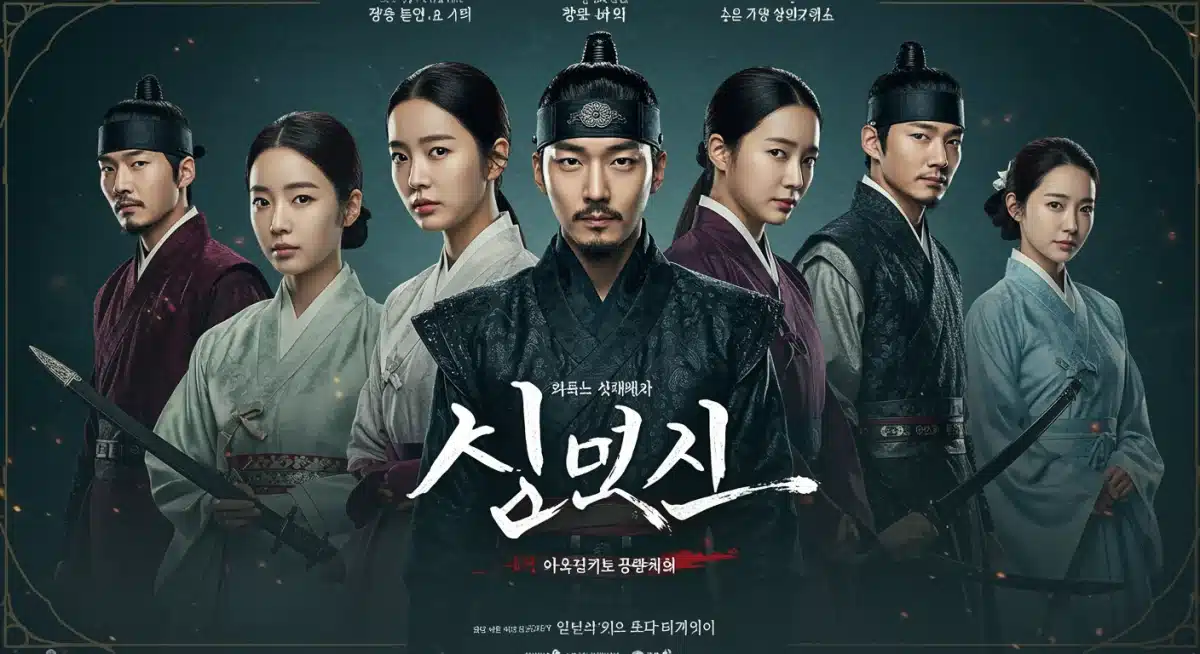
“Crimson Tide of Fate” was arguably one of the most anticipated historical K-dramas of 2025, boasting an ensemble cast, stunning visuals, and a gripping tale of political intrigue and star-crossed lovers. The series followed the journey of Crown Prince Lee Jin and his clandestine lover, Lady Mira, as they navigated a treacherous court filled with enemies and conspiracies. For 15 episodes, viewers were captivated by their desperate struggle for survival and love, rooting for their eventual triumph against all odds. The narrative meticulously built up a world where their love seemed to be the only beacon of hope, promising a grand, triumphant resolution.
The Controversial Ending
The final episode, however, delivered a shocking twist that left many fans reeling. Instead of the anticipated happy reunion, Lady Mira sacrificed herself to save the Crown Prince from an assassination attempt, dying in his arms. The prince, devastated, ascended the throne but ruled alone, forever haunted by her memory. While some critics praised the ending for its tragic realism and the profound impact of Mira’s sacrifice, calling it a poignant commentary on the sacrifices required for power, the majority of the fan base felt utterly betrayed. The collective outcry centered on the perceived injustice of Mira’s death, arguing that her character deserved a happier fate after enduring so much. Many felt the ending negated the entire romantic arc of the series, leaving a hollow victory for the prince. The hashtag #JusticeForMira trended for weeks, highlighting the depth of viewer disappointment with this particularly controversial K-drama ending.
Fan Reactions and Critical Reception
Online forums exploded with debates. One fan wrote, “I invested 15 hours of my life expecting a glimmer of hope, and all I got was heartbreak. This wasn’t tragic; it was just cruel.” Another argued, “The ending was beautiful in its sorrow. Not all love stories end with a ‘happily ever after,’ and this one showed the true cost of power and devotion.” Critics were divided, with some commending the writers for their bold, unconventional choice, while others criticized the lack of adequate foreshadowing for such a tragic turn, suggesting it felt like a cheap emotional ploy rather than an organic conclusion. The sheer volume of discussion cemented its place as one of the most polarizing finales of the year.
2. “The Quantum Paradox”: A Head-Scratching Ambiguity
The Drama’s Premise and Buildup
“The Quantum Paradox” was a sci-fi thriller that pushed the boundaries of K-drama storytelling. It centered on Dr. Kim, a brilliant physicist who discovers a way to manipulate time and space, leading to a series of paradoxes and unforeseen consequences as he tries to save his deceased sister. The show was lauded for its complex plot, mind-bending concepts, and stellar performances. Each episode was a puzzle, building towards a grand revelation about the true nature of reality and Dr. Kim’s place within it. Viewers meticulously theorized about every twist and turn, eagerly anticipating a definitive explanation.
The Controversial Ending
The series finale, however, opted for extreme ambiguity, leaving virtually every major plot point unresolved. Dr. Kim, after seemingly achieving his goal, found himself in an alternate timeline where his sister was alive but had no memory of him. The final shot showed him standing alone in a bustling city, a faint smile playing on his lips, leaving viewers to ponder whether he truly succeeded, if it was all a dream, or if he was trapped in yet another paradox. The lack of concrete answers infuriated a significant portion of the audience who had invested heavily in understanding the show’s intricate lore. This deliberate vagueness made it a prime example of a controversial K-drama ending, as fans felt cheated out of a proper conclusion.
Fan Reactions and Critical Reception
The internet was awash with frustrated comments. “They built up this elaborate world just to leave us hanging? What was the point?” one fan exclaimed. Others defended the ending, stating, “The ambiguity is the point! It forces you to think and engage with the themes of choice and consequence.” Critics were similarly split. Some hailed it as a philosophical masterpiece that challenged traditional narrative structures, embracing the quantum nature of its premise. Others found it pretentious and unsatisfying, arguing that a good sci-fi mystery still needs to offer some form of resolution, even if abstract. The debate over its interpretation continues to this day, highlighting the fine line between thought-provoking and frustrating ambiguity.
3. “Love’s Last Stand”: Character Assassination or Necessary Evolution?
The Drama’s Premise and Buildup
“Love’s Last Stand” was a beloved romantic comedy-drama that followed the journey of Kang Min-jun, a seemingly perfect male lead, and his quirky, endearing love interest, Han Ji-eun. Their slow-burn romance, filled with heartwarming moments and comedic misunderstandings, garnered a massive following. Min-jun was consistently portrayed as supportive, understanding, and deeply devoted, setting him up as the ideal boyfriend. The show’s strength lay in its consistent characterization and the genuine chemistry between the leads, promising a heartwarming and satisfying resolution to their relationship.
The Controversial Ending
In a move that shocked almost everyone, the final episode saw Min-jun suddenly confessing lingering feelings for his ex-girlfriend, leading to a tearful breakup with Ji-eun. The series concluded with Ji-eun embarking on a solo journey of self-discovery, while Min-jun was left contemplating his choices. This abrupt shift in Min-jun’s character arc felt like an inexplicable betrayal to many viewers, who had spent weeks investing in his unwavering love for Ji-eun. The ending was lambasted as a prime example of character assassination, designed purely for a shocking twist rather than organic development. It quickly became one of the most controversial K-drama endings of 2025, leaving fans feeling emotionally manipulated.
Fan Reactions and Critical Reception
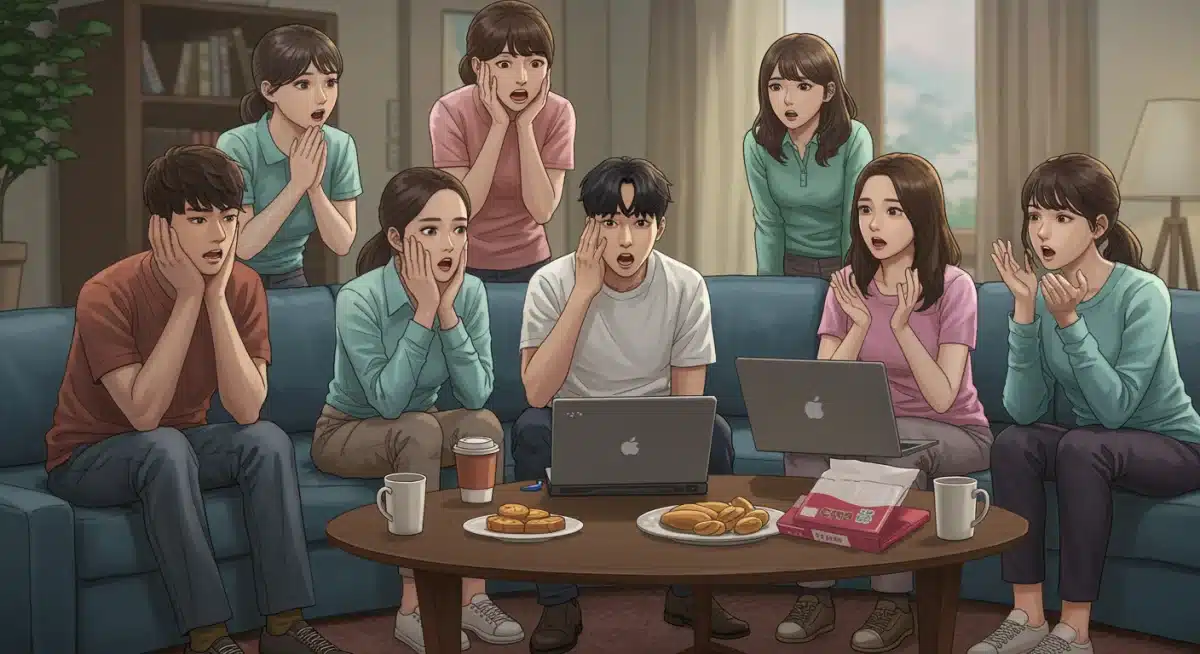
The outrage was palpable. “They ruined Min-jun’s character! It made no sense after everything they went through,” one fan lamented. Another added, “I feel like the writers just threw away all the character development for a ‘realistic’ ending that felt completely unearned.” While some critics defended the ending as a brave attempt to portray the complexities of adult relationships and the idea that love isn’t always linear, the overwhelming sentiment among viewers was one of disappointment and anger. The sudden change in Min-jun’s motivations, without sufficient build-up, was widely criticized as a narrative misstep that left a significant portion of the audience feeling robbed of the happy ending they had been promised and invested in.
4. “The City of Whispers”: A Rushed and Unsatisfying Resolution
The Drama’s Premise and Buildup
“The City of Whispers” was a dark, gritty psychological thriller that captivated audiences with its intricate mystery and morally ambiguous characters. Set in a corrupt metropolis, the drama followed Detective Park as he uncovered a vast conspiracy involving powerful figures. The show excelled at building suspense, introducing compelling red herrings, and slowly peeling back layers of deceit. Each episode ended on a cliffhanger, promising a grand, explosive reveal that would tie all the loose ends together. Viewers were deeply invested in seeing justice served and the truth finally brought to light.
The Controversial Ending
Unfortunately, the final episode felt severely rushed, attempting to cram too many revelations and resolutions into a short timeframe. The mastermind behind the conspiracy was revealed to be a minor character introduced only a few episodes prior, making the reveal feel unearned and anticlimactic. Several subplots were abruptly concluded with minimal explanation, and some characters’ fates were left entirely ambiguous, contradicting the show’s previously meticulous plotting. This haste resulted in a chaotic and ultimately unsatisfying conclusion, solidifying its status as one of the most controversial K-drama endings of the year. Fans expressed frustration at the perceived lack of care given to the final moments, feeling that the intricate build-up was squandered.
Fan Reactions and Critical Reception
The consensus among fans was that the ending was a major letdown. “It felt like they ran out of time or ideas. So many questions left unanswered!” a frustrated viewer posted. “After such a brilliant build-up, the finale was a confusing mess,” another commented. Critics largely agreed, pointing out the jarring pacing and the unearned nature of the final reveals. While the performances remained strong, the narrative closure was widely seen as a significant flaw, undermining the otherwise excellent series. The disappointment was particularly acute because the drama had set such a high bar for itself in earlier episodes, making the rushed conclusion all the more jarring.
5. “Ephemeral Echoes”: The Unpopular Sacrifice
The Drama’s Premise and Buildup
“Ephemeral Echoes” was a fantasy romance that explored themes of destiny, memory, and parallel worlds. It told the story of two souls, connected across different timelines, constantly finding and losing each other. The drama was praised for its ethereal cinematography, powerful emotional performances, and its unique approach to the fantasy genre. The central conflict revolved around a prophecy that stated one of them must sacrifice their existence for the other to truly live. Viewers spent the entire series hoping for a way to defy this cruel fate, clinging to the hope of a loophole or an alternative path.
The Controversial Ending
The finale delivered on the prophecy, with the female lead, Eun-woo, choosing to erase herself from existence to save her beloved, Jae-hyun, and ensure his happiness in a world where she never existed. While the sacrifice was emotionally resonant for some, many fans found it deeply unsatisfying and cruel. They argued that after so much struggle and their undeniable connection, the characters deserved to find a way to be together. The ending, though poignant, was seen by a large portion of the audience as a tragic and unnecessary resolution, making it one of the most controversial K-drama endings of 2025. The sentiment was that the writers took the easy, albeit heartbreaking, way out instead of crafting a more creative solution.
Fan Reactions and Critical Reception
The debate was fierce. “Why couldn’t they find another way? It just feels so unfair to Eun-woo!” a fan lamented. Another countered, “Her sacrifice was the ultimate act of love, truly heartbreaking but beautiful.” Critics were divided on whether the ending was a powerful artistic statement on the nature of love and sacrifice or simply a needlessly tragic conclusion. Many felt that the emotional impact was undeniable, but the lack of a hopeful alternative left a lingering sense of despair that overshadowed the beauty of the series. The profound sadness it evoked for many viewers solidified its place in discussions about divisive finales.
6. “The Chairman’s Legacy”: A Political Thriller’s Moral Ambiguity
The Drama’s Premise and Buildup
“The Chairman’s Legacy” was a sophisticated political thriller that delved into the dark underbelly of corporate power and family dynasties. It followed the fierce battle for control of a powerful conglomerate after the sudden death of its chairman, with various family members and external players vying for influence. The drama was praised for its intricate plotting, morally gray characters, and realistic portrayal of corporate warfare. Viewers were drawn into the complex web of alliances and betrayals, eager to see who would ultimately emerge victorious and whether justice, in any form, would prevail.
The Controversial Ending
The series ended with no clear victor. The protagonist, who had fought tirelessly to expose corruption, managed to bring down one of the main antagonists but lost everything in the process – his reputation, his family relationships, and his peace of mind. The conglomerate itself was left in a state of disarray, with new, equally corrupt figures rising to power, suggesting a cyclical nature of corruption. This cynical and morally ambiguous ending, while lauded by some for its realism and refusal to offer easy answers, left many viewers feeling deflated and unsatisfied. The lack of a clear ‘win’ for the protagonist or a definitive triumph of good over evil made it a highly controversial K-drama ending, as it defied traditional expectations of a thriller’s resolution.
Fan Reactions and Critical Reception
The fan base was split between those who appreciated the gritty realism and those who felt it was too bleak. “I watched 16 episodes hoping for some form of justice, and all I got was more cynicism,” a disappointed fan wrote. Conversely, another argued, “This ending was brilliant! It showed that in the real world, good doesn’t always triumph, and corruption is a hydra.” Critics largely praised the ending for its bold artistic choice, acknowledging its intellectual depth and its challenging of genre conventions. However, they also recognized that its refusal to provide traditional catharsis would alienate a significant portion of the audience seeking a more definitive resolution. The ending sparked considerable discussion about the role of realism in popular entertainment and whether K-dramas should always strive for a satisfying conclusion, even if it means sacrificing some realism.
The Enduring Impact of Controversial K-Drama Endings
The controversial K-drama endings of 2025 serve as a powerful reminder of the deep emotional investment audiences have in the stories they consume. While writers and directors aim to create art that provokes thought and emotion, the expectation of a satisfying conclusion remains strong for many viewers. These divisive finales highlight the delicate balance between artistic integrity, narrative consistency, and fan expectations. They also underscore the evolving nature of K-drama storytelling, with some creators pushing boundaries and challenging traditional tropes.
As we look back from 2026, these endings continue to fuel discussions, inspire fan fiction, and even influence future K-drama productions. The lessons learned from these controversies are invaluable: while originality is celebrated, it must be balanced with character integrity and a coherent narrative arc. Ultimately, whether an ending is deemed a masterpiece or a misstep often depends on individual perspective, but the conversation it generates is undeniable proof of its impact. These dramas, despite their contentious conclusions, have undeniably left an indelible mark on the K-drama landscape, prompting us to reflect on what we truly desire from a story’s final moments.
Looking Ahead: What Do Controversial Endings Mean for Future K-Dramas?
The year 2025, with its array of polarizing finales, has undoubtedly left its mark on the K-drama industry. The intense fan reactions and critical debates surrounding these controversial K-drama endings are not just fleeting moments of online chatter; they represent significant feedback that scriptwriters, directors, and production houses will likely consider for future projects. So, what does this trend of divisive conclusions mean for the landscape of K-dramas in 2026 and beyond?
Pushing Creative Boundaries vs. Audience Satisfaction
One perspective is that these controversial endings are a sign of K-dramas maturing as an art form. Creators are increasingly willing to experiment with narrative structures, challenge genre conventions, and explore more complex, morally ambiguous themes. This push for artistic integrity often means sacrificing predictable, ‘happily ever after’ conclusions in favor of realism, philosophical depth, or thought-provoking ambiguity. For example, endings like “The Quantum Paradox” and “The Chairman’s Legacy” leaned heavily into these artistic choices, prioritizing intellectual engagement over straightforward closure. This trend suggests that we might see more K-dramas in the future that are designed to spark debate and linger in the minds of viewers long after the credits roll, rather than simply providing comfort and resolution.
The Power of Fan Culture and Feedback
Conversely, the sheer volume and intensity of fan disappointment cannot be ignored. K-drama audiences are incredibly passionate and vocal, and their investment in characters and storylines is profound. When an ending feels unearned, unsatisfying, or a betrayal of established character arcs, the backlash can be significant, as seen with “Crimson Tide of Fate” and “Love’s Last Stand.” Production companies are highly attuned to audience sentiment, especially in a global market where fan engagement translates directly into viewership numbers and future investments. While creative freedom is important, alienating a large segment of your audience can have commercial repercussions. This might lead to a more cautious approach in some productions, where writers might strive for endings that, while perhaps not completely predictable, still offer a stronger sense of narrative fulfillment and emotional payoff.
The Rise of Alternative Endings and Special Episodes
A potential outcome of these debates could be an increase in supplementary content. We’ve already seen instances where K-dramas, facing strong fan reactions, release special episodes or alternative endings to provide more closure or explore different outcomes. This could become a more common practice, allowing creators to explore ambitious, controversial endings in the main series while offering a more traditional or fan-preferred resolution as an optional extra. This approach could satisfy both the artistic desire for challenging narratives and the audience’s craving for definitive closure, especially for highly emotional dramas like “Ephemeral Echoes.”
Emphasis on Consistent Pacing and Foreshadowing
The criticism directed at “The City of Whispers” for its rushed and inconsistent ending highlights the importance of pacing and foreshadowing. Regardless of the chosen ending, a well-executed finale requires careful planning and consistent narrative development throughout the series. Future K-dramas might place an even greater emphasis on ensuring that any twists, sacrifices, or ambiguous resolutions are adequately set up, making them feel earned rather than abrupt or arbitrary. This would allow even the most controversial K-drama endings to be perceived as integral parts of the story, rather than last-minute decisions.
Conclusion: The Ongoing Evolution of K-Drama Storytelling
The controversial K-drama endings of 2025 are not just isolated incidents; they are symptomatic of an industry in dynamic evolution. As K-dramas continue to gain global prominence, they face the challenge of balancing diverse audience expectations with the artistic ambitions of their creators. The debates generated by these endings are healthy, fostering critical engagement and pushing the boundaries of what serialized storytelling can achieve. For 2026 viewers, these discussions provide a rich context for appreciating the nuances of K-drama narratives and understanding the complex relationship between creators and their audience.
Ultimately, whether an ending leaves you cheering, crying, or scratching your head in confusion, its ability to provoke a strong reaction is a testament to the power of the story and the skill of its tellers. The K-drama world is always full of surprises, and these controversial finales ensure that the conversation around our beloved shows will never truly end. As we look forward to the next wave of dramas, one thing is certain: the endings will continue to be a topic of passionate discussion, defining legacies and shaping the future of this captivating genre.