Decoding Asian Drama Social Cues: An American’s 2026 Guide

Understanding Asian drama social cues is crucial for American audiences in 2026 to fully grasp the intricate narratives and character motivations often rooted in unique cultural contexts, enhancing the overall viewing experience.
For many Americans, the captivating world of Asian dramas has become a beloved escape, offering compelling storylines, dynamic characters, and stunning visuals. However, truly appreciating these narratives means going beyond the subtitles and diving into the rich tapestry of cultural nuances. This guide, Navigating Cultural Nuances: A Step-by-Step Guide for Americans to Interpret Asian Drama Social Cues in 2026, is designed to illuminate the unspoken rules, subtle gestures, and deeply ingrained social dynamics that shape these beloved series.
Understanding the Foundation: Collectivism vs. Individualism
One of the most fundamental differences between Western and many Asian cultures lies in the concepts of collectivism versus individualism. This distinction profoundly influences social interactions depicted in dramas. In collectivist societies, group harmony, family honor, and community well-being often take precedence over individual desires. This framework is essential for interpreting character motivations and reactions.
Understanding this core difference helps explain why characters might make sacrifices for their family, endure hardships for their company, or prioritize group consensus over personal opinion. It’s not about weakness; it’s about a deeply ingrained cultural value system.
The Impact on Personal Relationships
The collectivist mindset significantly shapes how relationships are portrayed. Romantic relationships, friendships, and family bonds are often viewed through a lens of mutual obligation and shared responsibility. This can lead to complex dynamics that might seem unfamiliar to an American audience.
- Family Honor: Decisions, especially regarding marriage or career, often consider the family’s reputation.
- Group Harmony: Open confrontation is often avoided to maintain peace within a social group.
- Interdependence: Relationships are often characterized by a strong sense of mutual reliance rather than strict independence.
Ultimately, recognizing the pervasive influence of collectivism is the first step in genuinely comprehending the intricate social cues woven throughout Asian dramas. It provides the necessary context for interpreting actions and dialogue that might otherwise seem perplexing.
Decoding Non-Verbal Communication and Body Language
Beyond spoken words, a significant portion of communication in Asian dramas, as in real life, occurs through non-verbal cues. These can include gestures, posture, eye contact, and even silence. What might be considered polite or rude in American culture can have an entirely different meaning in an Asian context, making accurate interpretation vital for viewers.
Subtle shifts in body language can convey respect, disapproval, affection, or discomfort without a single word being uttered. Mastering the ability to read these signals will unlock deeper layers of character emotion and plot development.
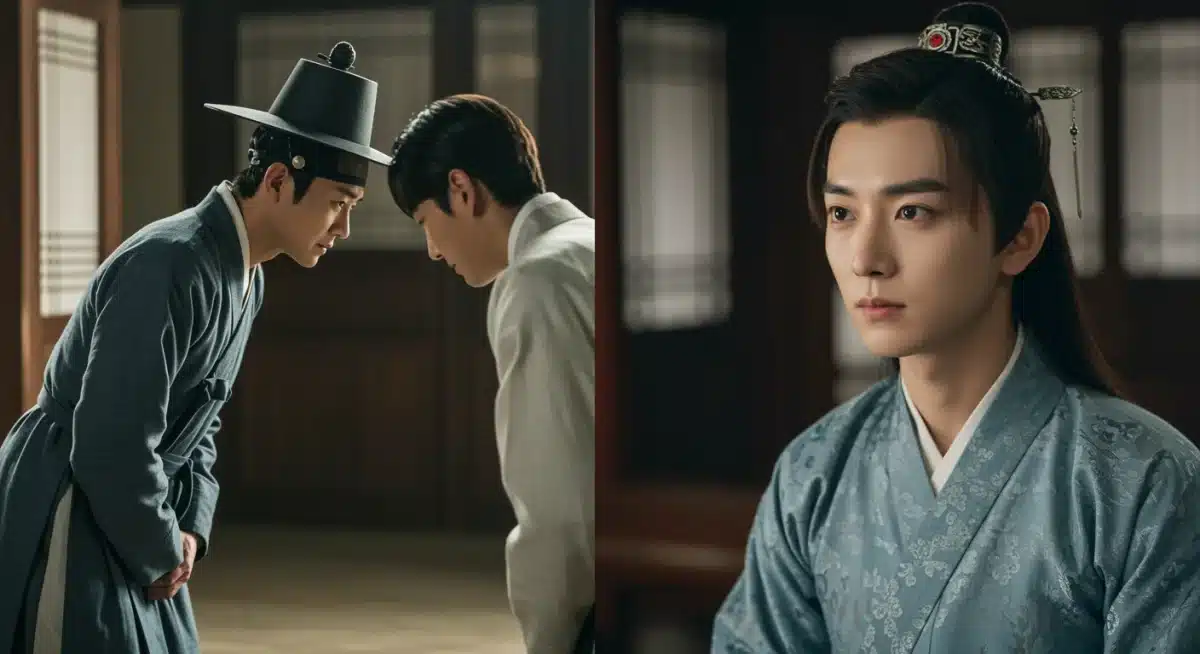
For instance, a deep bow in Korean dramas signifies profound respect, while a slight nod might be a more casual greeting. Similarly, direct eye contact, often seen as a sign of honesty and confidence in the West, can sometimes be perceived as challenging or disrespectful, particularly when interacting with elders or superiors.
Common Non-Verbal Cues to Observe
Paying close attention to these common non-verbal cues will significantly enhance your understanding of character interactions:
- Bowing: The depth and duration of a bow often indicate the level of respect and social status difference.
- Eye Contact: Sustained direct eye contact can be seen as aggressive or impolite in some situations, especially with authority figures.
- Hand Gestures: Pointing with an open hand rather than a single finger is generally preferred. Receiving or giving items with two hands shows respect.
- Personal Space: The concept of personal space can vary; physical proximity in certain relationships might be closer than expected in Western contexts.
By actively observing and learning these non-verbal signals, American viewers can gain a much richer appreciation for the intricate emotional landscapes and social dynamics portrayed in Asian dramas.
Hierarchy and Respect: Understanding Social Structures
Social hierarchy and respect for elders and superiors are cornerstones of many Asian cultures, and this is vividly reflected in their dramas. Understanding these intricate social structures is paramount for interpreting how characters interact, their dialogue, and their overall behavior. Age, position, and family ties all play a significant role in dictating social dynamics.
Characters often use specific honorifics, speech patterns, and gestures to acknowledge and reinforce hierarchical relationships. Disregarding these conventions within a drama would be a major faux pas, and understanding them helps viewers grasp the gravity of certain situations or exchanges.
Forms of Address and Deference
The way characters address each other provides immediate clues about their relationship and social standing. Formal titles, honorifics (like oppa, unnie, hyung, noona in Korean, or various forms of ‘older brother/sister’ in Chinese), and specific speech levels are not just linguistic quirks; they are deeply embedded social signals.
- Honorifics: Using the correct honorifics demonstrates respect and acknowledges social standing. Misusing them can be a sign of disrespect or ignorance.
- Speech Levels: Many Asian languages have different speech levels for formal, informal, and polite interactions, often based on age and status.
- Physical Deference: Bowing, averting gaze, or offering items with two hands are physical manifestations of respect towards elders or superiors.
Recognizing the pervasive influence of hierarchy and respect allows American audiences to better understand character motivations, conflicts, and the intricate web of relationships that drive Asian drama narratives.
The Role of Indirect Communication and Subtlety
Many Asian cultures favor indirect communication over direct confrontation, particularly in sensitive situations. This emphasis on subtlety and nuance can be a significant cultural barrier for American viewers accustomed to more explicit forms of expression. In dramas, characters often rely on implication, context, and unspoken understanding to convey their true feelings or intentions.
This indirectness is often tied to the desire to maintain harmony, avoid causing embarrassment, or preserve ‘face’ for oneself and others. Therefore, what might seem like ambiguity to a Western audience is often a very clear message within its cultural context.
Interpreting Unspoken Messages
Learning to read between the lines is a crucial skill for interpreting Asian drama social cues. Pay attention to:
- Contextual Clues: The setting, the relationship between characters, and previous interactions often provide vital context for understanding indirect messages.
- Facial Expressions and Micro-Expressions: Subtle changes in a character’s face can reveal underlying emotions that their words might be masking.
- Silence: Unlike in many Western conversations where silence can be awkward, in Asian contexts, it can convey profound meaning—contemplation, resignation, respect, or even subtle disagreement.
- Figurative Language: Metaphors, proverbs, and allusions are often used to convey messages indirectly without being overtly blunt.
By embracing the art of indirect communication, American viewers can unlock a deeper, more sophisticated appreciation for the emotional depth and intricate storytelling in Asian dramas.
Understanding Emotional Expression and Restraint
The way emotions are expressed and restrained in Asian dramas often differs significantly from Western portrayals. While Western media might emphasize overt displays of emotion, many Asian cultures value emotional restraint, especially in public settings or in front of superiors. This doesn’t mean emotions aren’t felt deeply; rather, they are often communicated in more subtle and nuanced ways.
This cultural tendency towards emotional restraint can sometimes lead American viewers to misinterpret a character’s feelings or assume a lack of emotional depth. However, understanding this cultural context reveals a rich inner world often conveyed through subtle cues.
Subtle Signs of Strong Emotion
When watching Asian dramas, look for these subtle indicators of powerful emotions:
- Tears Held Back: A character fighting back tears, rather than openly weeping, can signify immense pain or resilience.
- Slight Tremors: A trembling hand or lip can indicate profound distress or anger that is being suppressed.
- Averted Gaze or Downcast Eyes: This can signal shame, sadness, or deep respect rather than disinterest.
- Controlled Breathing: Deliberate, controlled breathing might be a sign of a character trying to compose themselves under extreme emotional pressure.
By recognizing the cultural value placed on emotional restraint, American viewers can move beyond surface-level interpretations and truly connect with the profound emotional journeys of Asian drama characters.
The Significance of Food, Rituals, and Social Gatherings
Food, rituals, and social gatherings are not merely background elements in Asian dramas; they are often central to plot development, character bonding, and the subtle communication of social cues. Meals, tea ceremonies, festivals, and family events provide rich contexts for characters to interact, express feelings, and navigate complex social dynamics. Ignoring these elements means missing crucial layers of cultural meaning.
From the way food is prepared and shared to the specific etiquette observed during a family gathering, these scenes are laden with cultural significance that informs character relationships and societal values.
Interpreting Cultural Practices
Pay attention to the following aspects of food, rituals, and social gatherings:
- Food Sharing: Offering food to others, especially elders, or sharing a meal can signify care, respect, and community.
- Table Etiquette: Specific seating arrangements, the order in which people eat, and how dishes are served often reflect hierarchical structures and respect.
- Rituals and Ceremonies: Funerals, weddings, and traditional festivals are often steeped in specific customs that reveal cultural beliefs and family values. These can be crucial turning points for characters.
- Gift-Giving: The type of gift, how it’s presented, and how it’s received can convey a wealth of social information, from gratitude to subtle persuasion.
By actively observing and interpreting these cultural practices, American viewers can gain a deeper appreciation for the communal bonds and societal values that underpin many Asian drama narratives.
Embracing the Journey: Continuous Learning and Engagement
Successfully Navigating Cultural Nuances: A Step-by-Step Guide for Americans to Interpret Asian Drama Social Cues in 2026 is not a one-time task but an ongoing journey of learning and engagement. The rich diversity within Asian cultures means that while some cues are broadly applicable, others are specific to certain regions or even sub-cultures. The more dramas you watch, and the more you actively seek to understand their cultural backdrops, the more adept you will become at interpreting their social intricacies.
Engaging with fan communities, reading articles about cultural context, and even exploring the history of the regions where these dramas are set can further deepen your appreciation. Each drama offers a new window into a vibrant culture.
Tips for Ongoing Cultural Learning
- Watch Diverse Dramas: Explore series from different countries (Korea, China, Japan, Thailand, etc.) to appreciate regional variations.
- Read Cultural Guides: Many resources online and in print delve into specific cultural etiquettes and social norms.
- Engage with Fan Communities: Online forums and social media groups dedicated to Asian dramas often discuss cultural points, offering valuable insights.
- Re-watch with New Eyes: Sometimes, re-watching a favorite drama after gaining more cultural knowledge can reveal entirely new layers of meaning.
Embracing this continuous learning process will not only enrich your Asian drama viewing experience but also broaden your overall cultural understanding and appreciation.
| Key Aspect | Brief Description |
|---|---|
| Collectivism vs. Individualism | Understanding how group harmony often outweighs individual desires in Asian cultures. |
| Non-Verbal Cues | Interpreting gestures, eye contact, and posture for deeper meaning. |
| Hierarchy & Respect | Recognizing how age, status, and family dictate social interactions and forms of address. |
| Indirect Communication | Deciphering subtle messages, context, and silence rather than explicit dialogue. |
Frequently Asked Questions About Asian Drama Social Cues
Direct eye contact, especially with elders or superiors, can sometimes be perceived as challenging or disrespectful in certain Asian cultures, signifying deference or humility. It’s a key aspect when interpreting Asian drama social cues.
Bowing in Korean dramas is a fundamental sign of respect. The depth and duration of the bow often indicate the level of respect and the social hierarchy between individuals, a crucial non-verbal cue.
In many Asian dramas, anger can be shown through subtle cues like a tightened jaw, averted gaze, sharp, quiet dialogue, or even controlled silence, reflecting cultural values of emotional restraint. Look for these subtle Asian drama social cues.
Family honor is central due to collectivist cultural values where an individual’s actions reflect on the entire family. Decisions are often made to uphold or restore this honor, shaping significant plot points.
While some cues are shared, there are significant regional variations. Korean, Chinese, and Japanese dramas, for instance, each have unique cultural nuances. Continuous learning across different countries enhances understanding of Asian drama social cues.
Conclusion
Embarking on the journey of Navigating Cultural Nuances: A Step-by-Step Guide for Americans to Interpret Asian Drama Social Cues in 2026 enriches the viewing experience beyond mere entertainment. By actively seeking to understand the underlying cultural frameworks, from collectivism to indirect communication and hierarchical respect, American audiences can unlock deeper meanings and emotional resonance within these captivating stories. This ongoing cultural immersion not only enhances appreciation for Asian dramas but also fosters a broader global understanding, making each episode a lesson in cultural literacy.