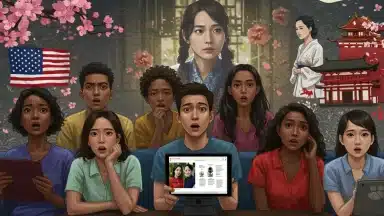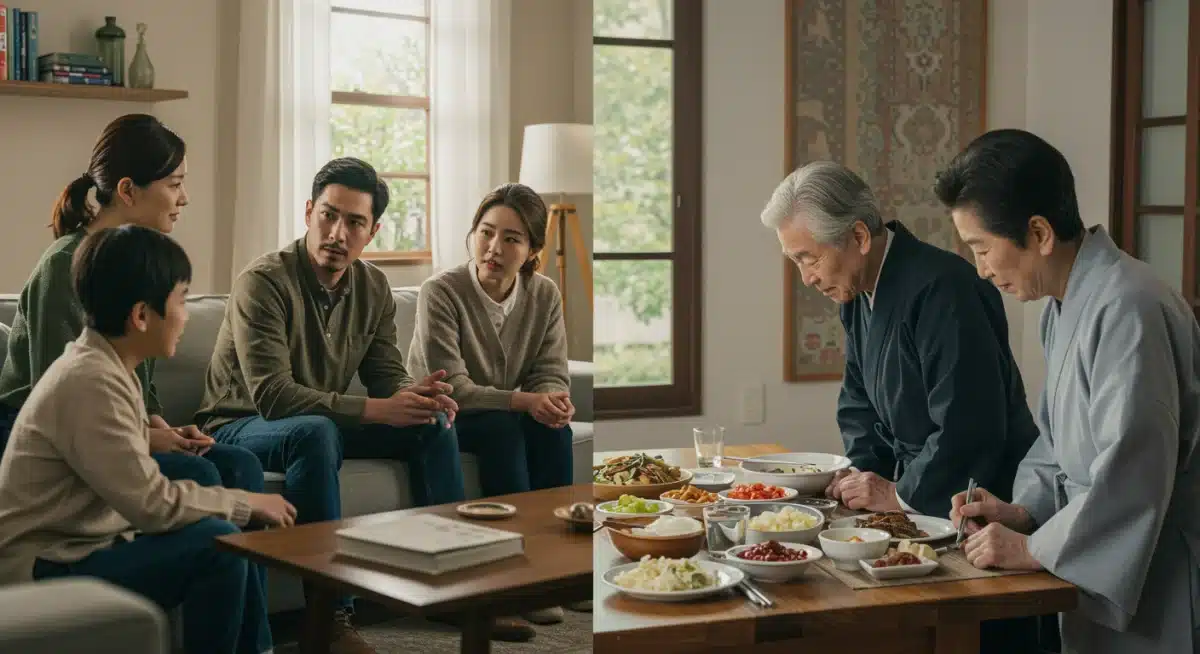
By 2026, a projected 15% increase in the portrayal of family values in dramas will reveal distinct cultural interpretations between American and Asian narratives, significantly shaping global audience perspectives.
As we approach 2026, a significant shift in storytelling is emerging, with a projected 15% increase in the focus on family values within dramatic narratives. This trend, particularly evident in the comparison of American and Asian dramas, offers a unique lens through which to explore evolving cultural norms and societal expectations regarding family.
The evolving landscape of family values in entertainment
The entertainment industry has always mirrored, and often influenced, societal perceptions. In recent years, there’s been a noticeable gravitation towards stories that explore the complexities and enduring strength of family units. This renewed emphasis isn’t just a fleeting trend; it reflects deeper societal introspection about what family truly means in a rapidly changing world.
This shift is particularly pronounced when examining dramas produced in different cultural contexts. American and Asian productions, while both showcasing family values, often do so through vastly different narrative frameworks and thematic priorities. These distinctions are crucial for understanding global audience reception and the nuanced ways in which these stories resonate.
Societal shifts and their dramatic reflections
- Demographic Changes: Aging populations and smaller family sizes in many regions are prompting a re-evaluation of intergenerational relationships.
- Digital Connectivity: The impact of technology on family communication and cohesion is a recurring theme.
- Global Interdependence: Increased cultural exchange means narratives must appeal to broader, more diverse audiences.
Ultimately, the surge in family-centric narratives by 2026 is a testament to the universal human need for connection and belonging. Dramas serve as a powerful medium to explore these fundamental aspects of life, allowing audiences to see their own experiences, hopes, and challenges reflected on screen, fostering empathy and understanding across diverse cultures.
American dramas: individualism and chosen families
In American dramas, the portrayal of family values often leans heavily into themes of individualism, personal growth, and the concept of ‘chosen family.’ While biological ties remain important, narratives frequently highlight characters forging their own paths and finding support systems outside traditional familial structures. This reflects a broader cultural emphasis on self-reliance and personal autonomy.
The 15% increase in family values content in American productions by 2026 is likely to further explore these nuances, showcasing diverse family configurations and challenging conventional definitions. We can expect to see more stories about single-parent households, blended families, LGBTQ+ families, and communities that function as familial units.
Key themes in American family dramas
- Independence and Self-Discovery: Characters often navigate complex family dynamics while striving for personal goals.
- Blended and Non-Traditional Families: Emphasis on the love and challenges within diverse family structures.
- Intergenerational Conflict and Reconciliation: Exploring disagreements between generations and eventual understanding.
- Support Systems Beyond Blood: Friends and communities often play a central role as a ‘chosen family.’
The focus on individual journeys within a family context allows American dramas to explore psychological depth and social issues with a unique perspective. These narratives often celebrate resilience and the idea that family can be redefined and rebuilt, providing comfort and inspiration to audiences who may not fit into traditional molds.
Asian dramas: collectivism and filial piety
Conversely, Asian dramas, particularly those from South Korea, China, and Japan, typically emphasize collectivism, filial piety, and the importance of hierarchical family structures. The family unit often takes precedence over individual desires, and respect for elders, communal harmony, and inherited responsibilities are central tenets. The upcoming 15% increase in family-focused narratives will likely reinforce these deeply ingrained cultural values.
These dramas frequently depict intricate family sagas, exploring multi-generational households, the pressures of upholding family honor, and the sacrifices made for the collective good. The emotional depth often stems from characters navigating personal aspirations against familial duties, creating compelling and often heart-wrenching narratives.
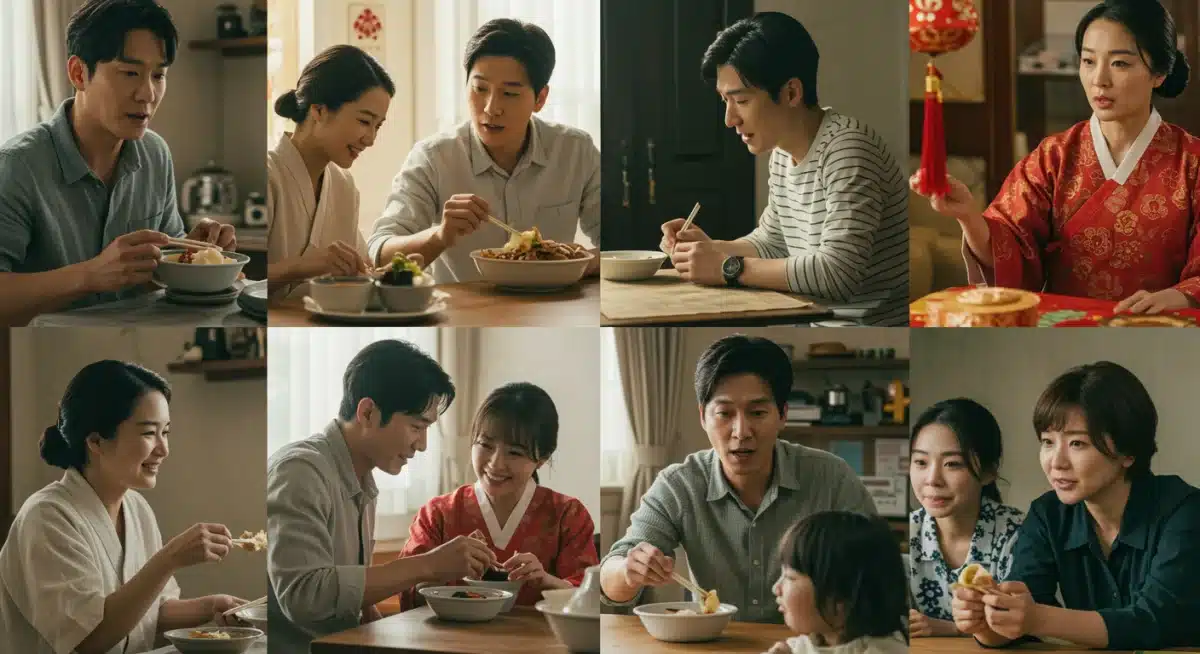
By 2026, the continued popularity of Asian dramas globally means these portrayals of family values will reach an even wider audience, offering a powerful counter-narrative to Western individualism and fostering greater cross-cultural understanding.
Core tenets of family in Asian dramas
- Filial Piety: Deep respect and obligation towards parents and elders are paramount.
- Interdependence: Family members are interconnected, with individual actions often impacting the entire unit.
- Harmony and Collective Good: Maintaining peace and unity within the family is highly valued.
- Sacrifice for Family: Characters often make significant personal sacrifices for the well-being or honor of their family.
The intricate web of relationships and duties within Asian family dramas provides a rich tapestry for storytelling. These narratives often highlight the beauty and challenges of communal living, emphasizing the enduring strength found in unity and shared purpose, resonating deeply with audiences who value strong familial bonds.
The 15% increase: what drives this trend?
The projected 15% increase in the depiction of family values in dramas by 2026 is not a random occurrence; it’s a response to several underlying societal and industry factors. Globally, there’s a growing appetite for content that offers comfort, addresses universal themes, and provides a sense of connection in an increasingly fragmented world. Family narratives inherently offer this.
Furthermore, the success of streaming platforms has democratized content consumption, allowing niche genres and culturally specific stories to find global audiences. This creates an incentive for producers to invest in narratives that resonate widely, and family, in its myriad forms, is a universal concept.
Factors contributing to the surge
- Global Streaming Boom: Increased accessibility of diverse content across platforms.
- Post-Pandemic Reflection: A renewed appreciation for close relationships and home life.
- Societal Anxiety: Viewers seek comfort and stability in stories about enduring bonds.
- Cultural Exchange: Growing interest in understanding different cultural perspectives on family.
This trend suggests that creators are recognizing the power of family stories to transcend cultural barriers, even when the specific values portrayed differ. The emotional core of family struggles and triumphs remains universally relatable, making these narratives a safe and engaging bet for a diverse global audience.
Cross-cultural appeal and global impact
Despite their distinct approaches, both American and Asian dramas focusing on family values have achieved significant cross-cultural appeal. American dramas, with their emphasis on individual journeys and chosen families, resonate with audiences worldwide who value personal freedom and modern relationships. Asian dramas, on the other hand, captivate viewers with their rich emotional landscapes, intricate family dynamics, and emphasis on tradition and collective responsibility.
This exchange of narratives enriches the global cultural dialogue, allowing audiences to compare and contrast different societal norms, fostering greater empathy and understanding. The 15% increase in such content by 2026 signifies a powerful trend towards more nuanced and diverse portrayals of family life on a global scale.
Bridging cultural divides through storytelling
- Shared Human Experiences: Love, loss, conflict, and reconciliation are universal themes.
- Educational Value: Dramas offer insights into different cultural practices and beliefs.
- Emotional Resonance: Stories about family often evoke strong emotional responses regardless of origin.
- Inspiration for Dialogue: Viewers are prompted to discuss and reflect on their own family values.
The global impact of these family-centric dramas extends beyond mere entertainment. They serve as cultural ambassadors, subtly shaping perceptions and encouraging a deeper appreciation for the multifaceted nature of human relationships. This cross-pollination of ideas is invaluable in an increasingly interconnected world.
Future predictions: convergence and diversification
Looking towards 2026 and beyond, the trend of increased family values in dramas suggests both convergence and continued diversification. While each region will likely retain its core cultural narrative styles, there may be an increasing influence of one upon the other. American dramas might incorporate more elements of intergenerational wisdom, while Asian dramas could explore individual agency within familial contexts more readily.
The 15% increase is not just about quantity but also about depth and breadth. We can anticipate more complex characters, more challenging family dilemmas, and a greater willingness to explore taboo subjects within family units. This evolution will ensure that family dramas remain relevant and engaging for a global audience seeking both familiarity and fresh perspectives.
Anticipated shifts in family drama narratives
- Hybrid Storytelling: Blending individualistic and collectivistic themes.
- Technological Integration: Exploring how technology shapes modern family interactions.
- Globalized Family Structures: Depicting transnational families and cultural assimilation.
- Addressing Social Issues: Using family narratives to tackle mental health, social inequality, and identity.
Ultimately, the future of family dramas is bright and dynamic. By embracing both their unique cultural roots and the universal aspects of human connection, these narratives will continue to evolve, offering rich, compelling stories that resonate with viewers across the globe, reflecting the ever-changing tapestry of family life.
| Key Aspect | Description of Cultural Difference |
|---|---|
| Core Focus | American dramas emphasize individualism; Asian dramas prioritize collectivism. |
| Family Definition | American often includes ‘chosen family’; Asian focuses on bloodline and hierarchy. |
| Key Values | American highlights independence; Asian stresses filial piety and harmony. |
| Narrative Conflict | American often personal vs. family; Asian often individual desire vs. family duty. |
Frequently asked questions about family values in dramas
This increase is driven by a combination of factors, including the global streaming boom, post-pandemic societal reflection on core relationships, and a universal human desire for comfort and connection in an increasingly complex world. Audiences are seeking relatable narratives that explore fundamental bonds.
American dramas often emphasize individualism, personal freedom, and the concept of ‘chosen family.’ They frequently explore themes of self-discovery, independence, and the complexities of diverse, non-traditional familial structures, reflecting a modern Western outlook on relationships.
Asian dramas typically highlight collectivism, filial piety, and hierarchical family structures. Emphasis is placed on respect for elders, communal harmony, inherited responsibilities, and often the sacrifice of individual desires for the collective well-being of the family unit.
Surprisingly, no. While distinct, both American and Asian family dramas find global audiences because they tap into universal human emotions like love, conflict, and loyalty. Viewers are often drawn to explore different cultural perspectives, enriching their understanding of global family dynamics.
The future will likely see both convergence and diversification. Expect more hybrid storytelling, exploring globalized family structures, and integrating technology’s impact. Dramas will continue to address complex social issues through family narratives, offering depth and broader relevance.
Conclusion
The projected 15% increase in the portrayal of family values in dramas by 2026 underscores a significant cultural moment. As American and Asian productions continue to offer distinct yet equally compelling narratives, they collectively enrich the global entertainment landscape. This trend reflects a universal human need for connection and belonging, demonstrating how storytelling can bridge cultural divides and foster a deeper appreciation for the diverse interpretations of family in our interconnected world.