J-Dramas & Japanese Festivals: A 2025 Guide to Matsuri Meanings
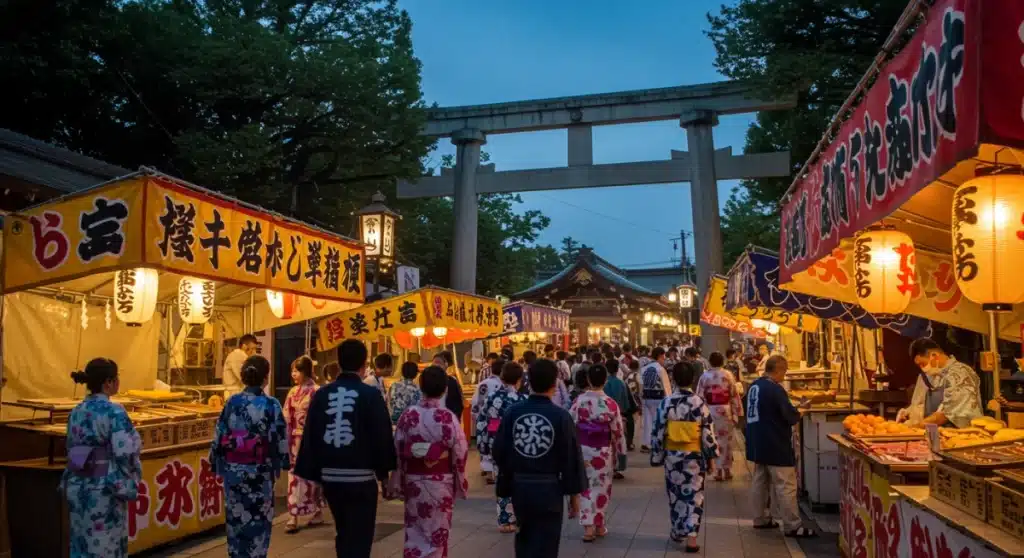
J-Dramas offer a captivating lens through which to explore the intricate layers of Japanese festival culture, illustrating how Matsuri traditions and their symbolic meanings shape community and individual identity.
For enthusiasts of Japanese culture and drama alike, delving into the depiction of festivals in J-Dramas offers a unique and immersive experience. This guide aims at enhancing your understanding Japanese festival culture, exploring the Matsuri traditions and their profound symbolic meanings as portrayed in various J-Drama narratives, providing a 2025 perspective on these timeless celebrations.
the role of matsuri in japanese society and j-dramas
Japanese festivals, known as Matsuri, are not merely events of jubilation; they are deeply ingrained cultural phenomena that reflect Japan’s history, spiritual beliefs, and community cohesion. These celebrations, often depicted with vibrant energy in J-Dramas, serve as critical junctures in character development and plot progression, offering viewers a glimpse into the heart of Japanese communal life.
Matsuri range from grand, nationally recognized events to intimate local gatherings, each with its unique customs and significance. Their portrayal in J-Dramas goes beyond mere scenic backdrop; they often highlight themes of tradition versus modernity, personal growth, and the enduring bonds of family and friendship.
types of matsuri frequently featured
J-Dramas often showcase specific types of Matsuri, each carrying distinct cultural weight and visual appeal. Understanding these categories enriches the viewing experience.
- Seasonal Festivals: Celebrating the changing seasons, like Cherry Blossom Festivals (Hanami) in spring or elaborate summer festivals with fireworks (Hanabi Taikai).
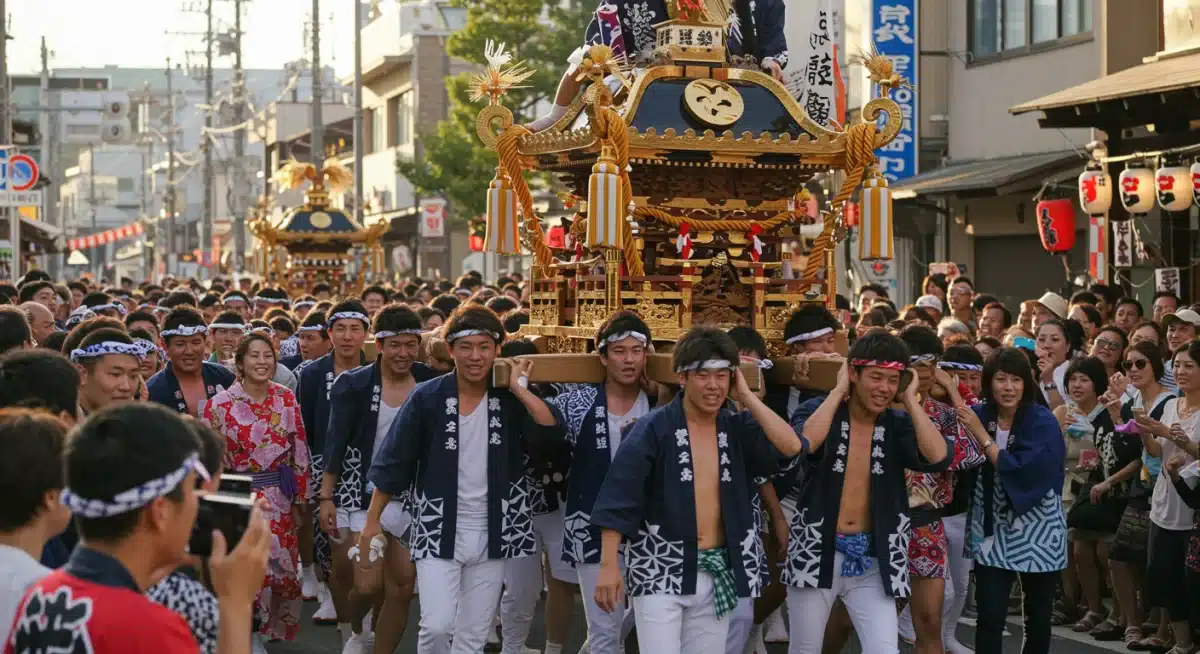
- Shrine and Temple Festivals: Dedicated to local deities or Buddhist figures, often involving parades with portable shrines (mikoshi) and elaborate rituals.
- Harvest Festivals: Expressing gratitude for bountiful harvests, such as the Obon festival, which honors ancestors.
These festivals provide a natural setting for dramatic tension, romantic encounters, and personal revelations. They emphasize the cyclical nature of life and the importance of communal participation in upholding cultural heritage.
The depiction of Matsuri in J-Dramas serves as a powerful tool for cultural education, allowing international audiences to appreciate the multifaceted role these festivals play in Japanese society. They underscore the importance of tradition while subtly addressing how contemporary life intersects with ancient customs.
symbolic meanings behind common matsuri elements
Every element within a Japanese festival is imbued with symbolic meaning, contributing to the overall spiritual and communal experience. J-Dramas often subtly, or sometimes explicitly, draw attention to these symbols, deepening the narrative’s cultural resonance.
From the intricate designs of festival floats to the specific foods consumed, each detail tells a story about Japanese beliefs and values. Recognizing these symbols can transform a casual viewing into a profound cultural study.
iconic symbols and their interpretations
Several symbols are ubiquitous in Matsuri and frequently appear in J-Dramas, offering layers of meaning to the narrative.
- Mikoshi (Portable Shrines): Representing the temporary dwelling of a deity, carried through the community to bless it and purify evil. Their energetic movement signifies the vitality of the gods and the community.
- Lanterns (Chochin): Used for illumination and decoration, they symbolize guiding spirits, especially during Obon, and create a festive, magical atmosphere.
- Fire (Hanabi/Bonfire): Fireworks symbolize transient beauty and ward off evil, while bonfires often represent purification and communication with the spiritual realm.
These symbols are not mere decorations; they are active participants in the festival’s ritualistic and emotional landscape. When characters in J-Dramas interact with these elements, their actions often mirror the symbolic weight of the objects themselves, adding depth to their struggles and triumphs.
Understanding the symbolic meanings behind these Matsuri elements allows viewers to grasp the deeper cultural context woven into J-Drama storylines. It highlights how ancient beliefs continue to influence modern Japanese narratives and everyday life.
j-dramas showcasing traditional matsuri
Many J-Dramas excel at portraying traditional Matsuri, offering viewers an authentic and often romanticized view of these events. These series not only entertain but also serve as valuable cultural documents, preserving the essence of these traditions for a global audience.
These dramas carefully construct scenes that capture the visual splendor, sounds, and emotional intensity of festivals, making them pivotal to the storytelling. They often show the meticulous preparations and the communal effort involved in organizing a Matsuri.
notable j-dramas and their festival scenes
- “Natsuzora” (2019): Features Hokkaido’s vibrant agricultural festivals, emphasizing community bonds and the changing seasons.
- “Hanako and Anne” (2014): While set in an earlier era, it provides glimpses into regional festivals and their simpler, more community-focused nature.
- “Amachan” (2013): Showcases unique local festivals of the Tohoku region, highlighting resilience and tradition in a fishing village.
These dramas go beyond surface-level portrayal, often integrating the Matsuri into the very fabric of the characters’ lives and personal journeys. The festivals become a backdrop for significant life events, from first loves to poignant farewells.
The authenticity with which these J-Dramas present traditional Matsuri helps solidify an international understanding of their importance. They are not just celebrations but essential components of Japanese identity and collective memory, beautifully captured on screen.
modern interpretations and evolving matsuri in j-dramas
While tradition remains central, Matsuri, like any cultural practice, evolve. J-Dramas often reflect these modern interpretations, showing how contemporary Japanese society engages with and sometimes reinterprets ancient festival customs. This provides a dynamic perspective on cultural continuity and change.
These modern portrayals can show festivals adapting to urban environments, incorporating new technologies, or addressing contemporary social issues, all while retaining their core spirit.
how j-dramas reflect changing festival dynamics
J-Dramas capture the nuanced ways Matsuri adapt to modern life:
- Urban Festivals: Depicting festivals in bustling city centers, sometimes blending traditional elements with modern music or art installations.
- Youth Participation: Highlighting how younger generations participate, often bringing new energy and perspectives while learning from elders.
- Commercialization: Occasionally touching upon the commercial aspects of festivals, from food stalls to souvenir sales, reflecting economic realities.
The tension between preserving tradition and embracing modernity is a recurring theme in these depictions. Characters often grapple with how to honor their heritage while living in a fast-paced, globalized world. This struggle makes the festivals feel more relatable and dynamic.
By showcasing both the timeless and evolving aspects of Matsuri, J-Dramas provide a comprehensive view of Japanese festival culture. They demonstrate that while the forms may change, the underlying spirit of community, celebration, and spiritual connection remains constant.
the emotional impact of matsuri on characters
Beyond their visual appeal and cultural significance, Matsuri profoundly impact the emotional landscapes of J-Drama characters. These festivals often serve as catalysts for personal growth, reconciliation, and romantic development, making them integral to the narrative’s emotional core.
The heightened atmosphere of a festival, with its blend of excitement, tradition, and communal spirit, creates a fertile ground for intense character moments and plot twists.
festivals as turning points in narratives
Matsuri often mark significant junctures in J-Drama storylines:
- Confessions and Declarations: The vibrant energy and romantic ambiance of a summer festival are often chosen settings for characters to confess their feelings or make important decisions.
- Reunions and Farewells: Festivals can be poignant backdrops for characters to reunite after long separations or to say goodbye, emphasizing the cyclical nature of life and relationships.
- Personal Breakthroughs: The spiritual or communal aspect of a Matsuri can inspire characters to overcome personal obstacles, find courage, or gain new perspectives on their lives.
The collective joy and shared experience of a festival can break down barriers between characters, fostering new connections or mending old wounds. The sense of belonging and shared heritage often brings characters closer together, even those who initially feel isolated.
Ultimately, the emotional impact of Matsuri in J-Dramas underscores their role as more than just cultural events. They are powerful narrative devices that drive character arcs, explore human relationships, and reflect the universal themes of connection and belonging.
a 2025 guide to experiencing matsuri through j-dramas
For those eager to deepen their understanding of Japanese festival culture, using J-Dramas as a guide in 2025 offers an accessible and entertaining pathway. By paying close attention to the details, symbols, and emotional beats within these shows, viewers can gain a rich appreciation for Matsuri traditions and their meanings.
This approach transforms passive viewing into an active cultural exploration, bridging the gap between entertainment and education. It encourages viewers to look beyond the surface and delve into the intricate layers of Japanese society.
how to enhance your j-drama matsuri experience
To maximize your cultural learning through J-Dramas:
- Research Specific Festivals: If a J-Drama features a particular Matsuri, take time to research its real-world history, rituals, and significance.
- Pay Attention to Costumes and Music: Notice the traditional garments (yukata, happi) and the specific musical instruments (taiko drums, flutes) used, as they are integral to the festival atmosphere.
- Observe Character Interactions: Analyze how characters behave during festivals – their reverence, excitement, or even apprehension – to understand social norms and personal connections.
Engaging with J-Dramas in this manner allows for a more profound connection to Japanese culture. It’s not just about watching a story unfold; it’s about understanding the cultural context that shapes those stories and the people within them.
As we move through 2025, the accessibility of J-Dramas continues to grow, providing an ever-expanding library of content for cultural exploration. This offers a unique opportunity to experience the vibrancy and depth of Japanese festival culture from anywhere in the world.
| Key Aspect | Brief Description |
|---|---|
| Matsuri’s Role | Festivals are cultural cornerstones, reflecting history, spirituality, and community bonds in Japan. |
| Symbolic Elements | Mikoshi, lanterns, and fire possess deep symbolic meanings, enriching festival narratives. |
| J-Drama Portrayal | Dramas showcase both traditional and evolving Matsuri, highlighting their impact on characters and plots. |
| Cultural Immersion | J-Dramas offer an accessible way to understand the cultural and emotional depth of Japanese festivals. |
frequently asked questions about japanese festivals in j-dramas
Matsuri often serve as pivotal plot devices in J-Dramas, providing settings for significant character interactions, emotional breakthroughs, and romantic confessions. They symbolize community, tradition, and the passage of time, deeply influencing narrative development and character arcs within the stories.
While J-Dramas often take creative liberties for storytelling, many strive for authenticity in their depiction of Matsuri. They frequently showcase genuine customs, costumes, and atmosphere, making them valuable resources for understanding Japanese festival culture, especially when combined with external research.
Common symbolic elements include mikoshi (portable shrines for deities), chochin (lanterns symbolizing guidance and festivity), and various forms of fire (fireworks for purification, bonfires for spiritual connection). These elements often carry deep cultural and spiritual significance in the narratives.
J-Dramas depict Matsuri adapting to modern contexts, such as urban settings, the integration of contemporary music, and the involvement of younger generations. They often explore the tension between preserving ancient traditions and embracing new interpretations, reflecting societal changes within Japan.
Dramas like “Natsuzora,” “Amachan,” and “Hanako and Anne” are excellent starting points. They offer diverse portrayals of regional festivals, highlighting community bonds, historical contexts, and the emotional resonance of these cultural events, providing rich insights into Matsuri traditions.
conclusion
In conclusion, J-Dramas offer an unparalleled window into the vibrant and complex world of Japanese festival culture. By showcasing Matsuri traditions, their deep symbolic meanings, and their profound impact on characters and communities, these series provide more than just entertainment. They serve as a dynamic educational tool, allowing viewers in 2025 and beyond to appreciate the intricate tapestry of Japanese heritage. Engaging with these dramas fosters a deeper understanding and respect for the cultural nuances that make Japan’s festivals so unique and enduring.