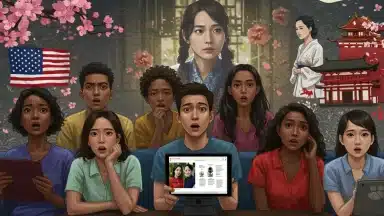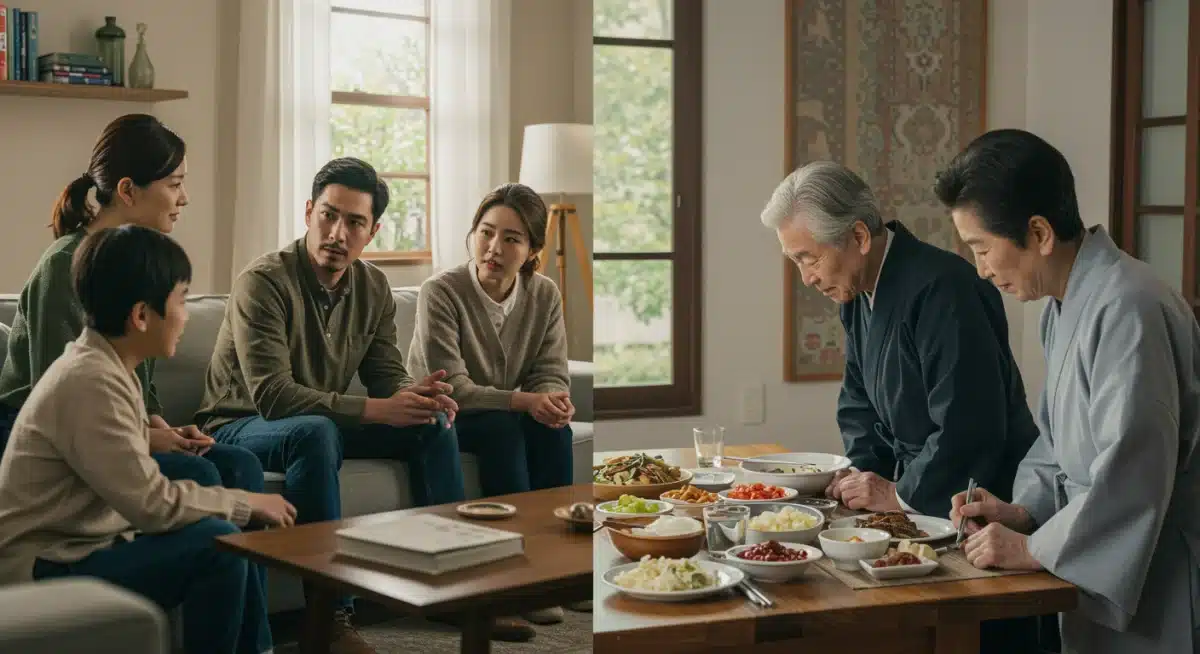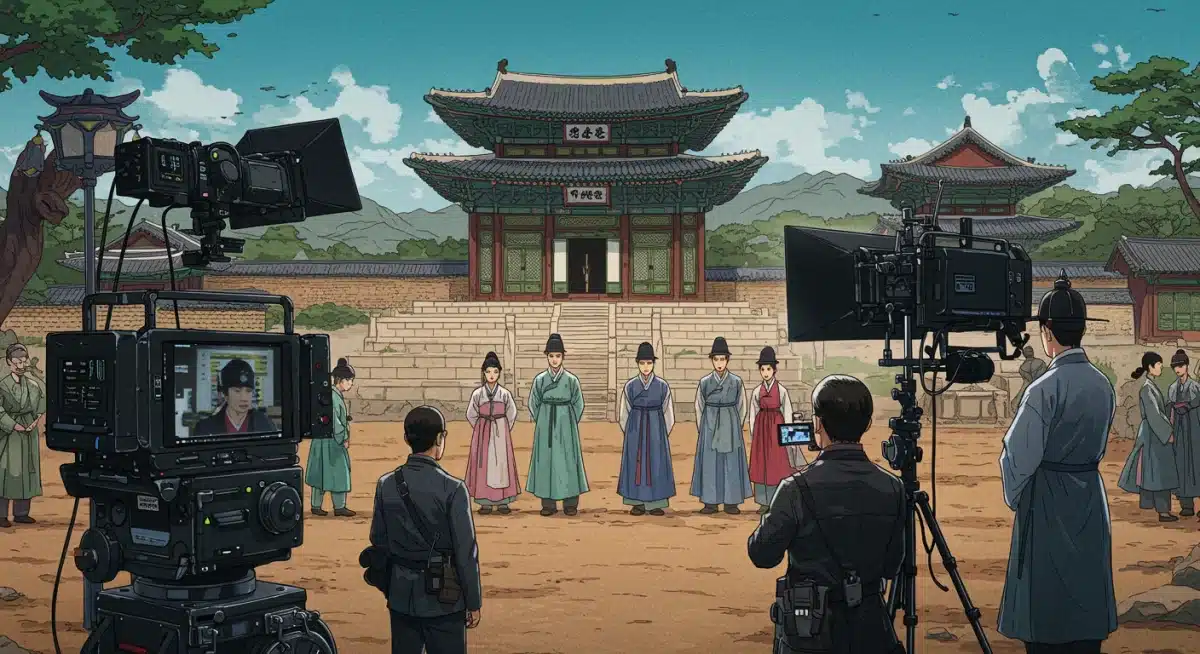
The debate surrounding K-drama historical accuracy in 2025 critically examines how interpretations of Joseon Dynasty traditions in contemporary productions lead to significant cultural repercussions, balancing creative license with factual representation.
Have you ever wondered how much of your favorite historical K-drama is actually true to life? The ongoing discussion around K-drama historical accuracy, particularly regarding the Joseon Dynasty traditions, is more pertinent than ever in 2025. This article delves into the fascinating and often contentious interpretations of history in K-dramas and their profound cultural impact.
The allure of historical K-dramas and factual fidelity
Historical K-dramas, often set during the illustrious Joseon Dynasty, captivate global audiences with their intricate plots, stunning visuals, and compelling characters. These productions serve as a primary window into Korean history and culture for many international viewers. However, the balance between creative storytelling and maintaining factual fidelity often sparks considerable debate.
In 2025, with advanced production techniques and increasing global reach, the pressure on K-dramas to be both entertaining and historically responsible is immense. Audiences, both domestic and international, are becoming more discerning, leading to a heightened scrutiny of historical portrayals. This scrutiny impacts everything from character depictions to the representation of daily life and political events.
The allure of these dramas lies in their ability to transport viewers to a bygone era, offering a glimpse into a world of tradition, power, and romance. Yet, this very allure means that any significant deviation from historical fact can lead to misunderstandings or even misrepresentations of a nation’s heritage. The challenge for producers and writers is to weave engaging narratives without distorting the essence of history.
Creative license versus historical responsibility
The tension between creative license and historical responsibility forms the core of the K-drama historical accuracy debate. Filmmakers often argue for artistic freedom to craft compelling stories, which may necessitate bending historical facts for dramatic effect. On the other hand, historians and cultural critics emphasize the ethical obligation to accurately represent the past, especially given the genre’s educational influence.
Artistic interpretations and narrative enhancements
- Character amalgamation: Often, several minor historical figures are combined into one composite character to streamline the narrative.
- Timeline compression: Historical events spanning years might be condensed into a shorter period to maintain story pacing.
- Fictionalized relationships: Romantic or antagonistic relationships are frequently invented or exaggerated to add emotional depth.
While these narrative enhancements can make a drama more engaging, they also risk blurring the lines between fact and fiction. The challenge is to ensure that these creative liberties do not fundamentally alter the historical context or propagate misinformation. Striking this balance is crucial for maintaining both artistic integrity and historical respect.
The discussion often revolves around whether K-dramas should primarily function as entertainment or as historical educators. Many argue that while entertainment is their main goal, they carry an inherent responsibility due to their wide reach and influence. This makes the choices made in the writing room and on set incredibly significant.
Joseon Dynasty traditions: authentic portrayal challenges
Portraying Joseon Dynasty traditions authentically presents a unique set of challenges for K-drama productions. This era, spanning over 500 years, was rich in complex social structures, intricate etiquette, and distinct cultural practices. Recreating these elements accurately requires extensive research and attention to detail, yet often compromises are made for various reasons.
One significant challenge lies in the sheer volume and nuance of historical data. Daily life, court rituals, fashion, and language all evolved over centuries within the Joseon period. Dramas often present a somewhat generalized or romanticized version, which can lead to inaccuracies. For instance, the specific types of clothing (hanbok) worn, the hierarchical speech patterns, or even the architecture might be simplified or modernized for aesthetic appeal or ease of production.
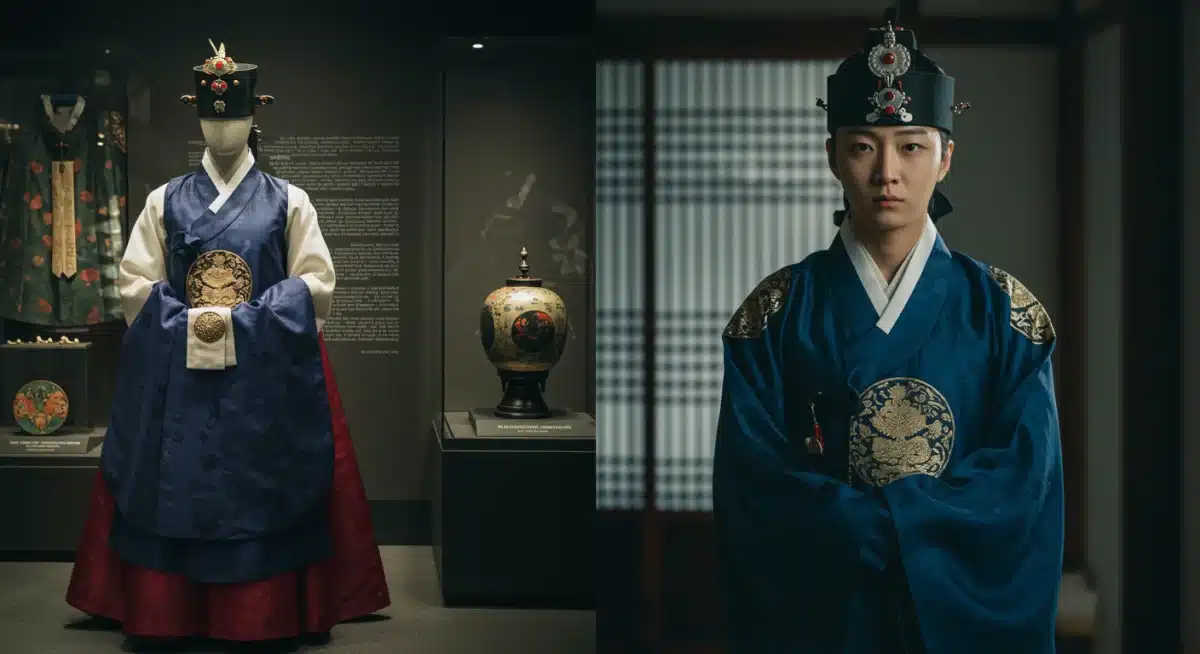
Consider the depiction of royal ceremonies or scholarly debates. While the core elements might be present, the specific rituals, philosophical arguments, or political intricacies could be glossed over. This is often done to make the content more accessible to a broader audience who may not be familiar with the deep historical context. However, it can dilute the historical richness.
Common areas of traditional inaccuracy
- Costume design: Hanbok styles, colors, and materials are sometimes anachronistic or overly stylized.
- Social hierarchy: The strict social stratification and rules governing interactions can be softened or misrepresented.
- Language and speech: Modern Korean idioms or speech patterns might inadvertently creep into dialogue, despite efforts to use historical language.
- Daily life details: Everyday objects, food, or customs are occasionally depicted inaccurately due to lack of detailed historical records or budget constraints.
These challenges highlight the delicate balance between creating a visually stunning and emotionally resonant drama and respecting the historical integrity of the Joseon Dynasty. The choices made directly impact public perception of this pivotal period in Korean history.
Cultural repercussions of historical interpretations
The cultural repercussions of how historical K-dramas interpret the past are far-reaching and multifaceted. When a drama gains immense popularity, its portrayal of history, whether accurate or not, can significantly shape public perception, both domestically and internationally. This makes the debate over K-drama historical accuracy not just academic, but deeply cultural.
Domestically, historical inaccuracies can provoke strong reactions from historians and the general public, leading to calls for boycotts or even demands for drama cancellation. This stems from a deep-seated respect for national heritage and a desire to see it accurately represented. Such controversies highlight the powerful role K-dramas play in shaping collective memory and national identity.
Internationally, K-dramas introduce millions to Korean culture and history. While this exposure is overwhelmingly positive, misrepresentations can lead to an incomplete or distorted understanding of the Joseon Dynasty. For example, if certain historical figures are consistently portrayed as villains or heroes without sufficient nuance, it can cement a simplified view of complex historical events and personalities in the minds of global viewers.
Impacts of historical misrepresentation
- Distorted historical understanding: Viewers may adopt fictional narratives as factual history.
- Damage to national image: Controversies can sometimes tarnish the reputation of Korean cultural exports.
- Educational challenges: Educators may face difficulties correcting misconceptions formed through popular media.
Conversely, when dramas strive for accuracy and succeed, they can become powerful educational tools, sparking interest in genuine historical research and cultural studies. The cultural repercussions thus underscore the need for a thoughtful approach to historical storytelling, recognizing its potential to both inform and misinform.
Audience expectations and media literacy in 2025
In 2025, audience expectations regarding historical K-dramas are increasingly sophisticated. Viewers are not only seeking entertainment but also a degree of authenticity. This shift is partly due to increased media literacy and access to historical information through the internet. Social media platforms, in particular, have become arenas for discussing and dissecting historical portrayals, putting pressure on production companies.
Modern audiences are more likely to fact-check details, from the type of headwear worn by a king to the political motivations of a specific faction. This heightened awareness means that dramas that take too many liberties with history risk alienating a significant portion of their viewership. The expectation is not necessarily for a documentary-level accuracy, but for a respectful and plausible interpretation of the past.
Media literacy plays a crucial role here. Audiences are increasingly capable of distinguishing between artistic interpretation and outright fabrication. However, for many, especially international viewers, K-dramas might be their first or only exposure to Korean history. Therefore, the responsibility of creators remains significant in guiding this understanding.
The demand for a balance between entertainment and authenticity is a growing trend. Producers and writers are increasingly aware that neglecting historical context can lead to backlash, affecting a drama’s success and reputation. This evolving dynamic shapes how future historical K-dramas will be conceived and executed.
Future trends: balancing authenticity and storytelling
Looking ahead, the future of historical K-dramas will likely involve a more concerted effort to balance authenticity with compelling storytelling. The industry is responding to public feedback and the ongoing debate over K-drama historical accuracy by seeking innovative ways to combine historical research with creative narrative techniques. This involves greater collaboration between historians and screenwriters.
One emerging trend is the explicit labeling of dramas as ‘faction’ or ‘historical fantasy’, which sets audience expectations from the outset. This allows for greater creative freedom without misleading viewers about the historical basis of the story. Such transparency can help mitigate controversies and allow both creators and audiences to engage with the material on appropriate terms.
Strategies for enhanced historical portrayal
- Historical consultants: Employing dedicated historians to advise on scripts, costumes, and sets.
- Educational disclaimers: Including notes at the beginning or end of episodes to clarify fictional elements.
- Behind-the-scenes content: Releasing supplementary materials that explain the historical context and the creative choices made.
Furthermore, technological advancements in CGI and historical reconstruction can aid in creating more accurate and immersive historical settings without prohibitive costs. This enables a higher degree of visual authenticity, from detailed architecture to realistic battle scenes, enhancing the overall viewing experience while respecting historical details.
The continuous dialogue between creators, historians, and audiences will undoubtedly shape a new era of historical K-dramas. This era will likely be characterized by a greater commitment to presenting the rich tapestry of Korean history in ways that are both engaging and historically responsible, fostering a deeper appreciation for the Joseon Dynasty and its traditions.
| Key Aspect | Brief Description |
|---|---|
| Historical Accuracy Debate | Ongoing discussion concerning factual fidelity vs. creative license in K-dramas, especially for Joseon era. |
| Joseon Traditions Portrayal | Challenges in authentically depicting complex social structures, etiquette, and daily life of the Joseon Dynasty. |
| Cultural Repercussions | Impact of historical interpretations on public perception, national identity, and international understanding of Korean history. |
| Future Trends | Industry moving towards improved authenticity through collaboration, labeling, and technological advancements. |
Frequently Asked Questions about K-Drama Historical Accuracy
The debate is significant because K-dramas serve as a major source of information about Korean history for global audiences. Inaccuracies can lead to misinterpretations of cultural heritage and national identity, sparking strong reactions from historians and the public both within Korea and abroad.
Common inaccuracies include anachronistic costume designs, oversimplifications of complex social hierarchies, modern language creeping into dialogue, and sometimes fictionalized political events or relationships for dramatic effect. These changes are often made for aesthetic appeal or narrative pacing.
Internationally, K-dramas introduce Korean culture to millions. Inaccurate portrayals can create a distorted or simplistic view of the Joseon Dynasty, potentially hindering a deeper, more nuanced appreciation of its history and traditions for viewers unfamiliar with the actual historical context.
Audiences in 2025 are increasingly media-literate and active on social media, often fact-checking and critiquing historical portrayals. Their heightened expectations for authenticity put pressure on production companies to be more responsible, influencing future content creation and fostering transparency.
Productions are increasingly employing historical consultants, adding educational disclaimers to episodes, and creating behind-the-scenes content that explains historical context. Explicitly labeling dramas as ‘faction’ or ‘historical fantasy’ is also becoming more common to manage audience expectations effectively.
Conclusion
The debate surrounding K-drama historical accuracy is a dynamic and evolving conversation, reflecting the significant cultural impact these productions wield. As we move further into 2025, the industry is increasingly aware of its responsibility to balance creative storytelling with a respectful and informed portrayal of Joseon Dynasty traditions. This ongoing dialogue between creators, historians, and a global audience ensures that while K-dramas continue to entertain, they also strive to educate, fostering a deeper and more accurate appreciation for Korea’s rich historical heritage.