K-Drama OSTs: 2024 Impact & 2025 Views on Soundtracks
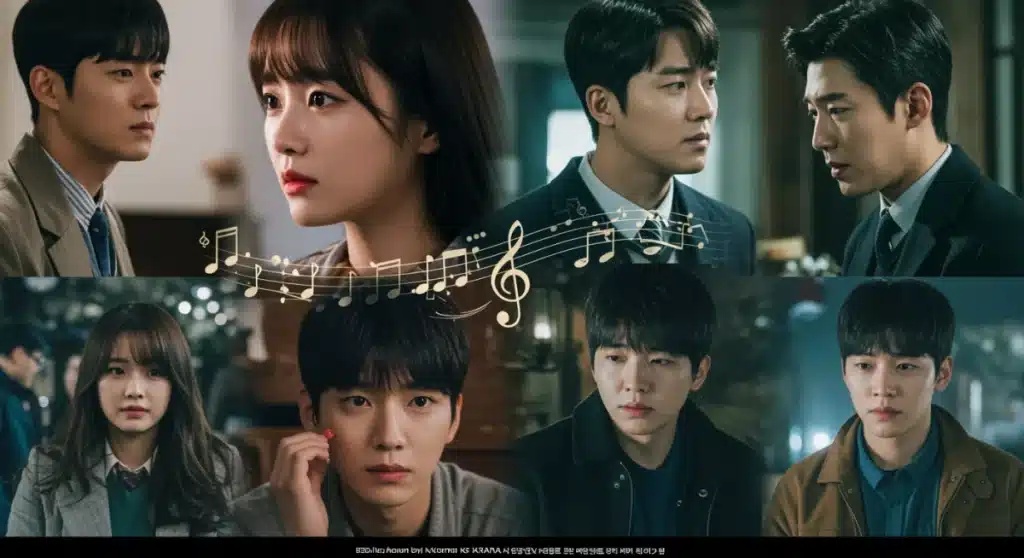
The role of K-drama soundtracks in reviews is paramount, significantly shaping emotional resonance and narrative recall, with 2024 releases showcasing several standout OSTs that will undoubtedly influence 2025 viewership and critical discourse.
The intricate world of K-dramas is a tapestry woven with compelling narratives, stellar acting, and breathtaking cinematography. However, one element often overlooked, yet undeniably crucial, is the original soundtrack. The K-Drama OST impact is profound, acting as the emotional backbone of a series, elevating scenes, defining characters, and leaving an indelible mark on viewers long after the final credits roll. This article explores how these musical masterpieces from 2024 releases are not just enhancing current viewing experiences but are also set to influence audience engagement and critical reception well into 2025.
The symphony of storytelling: how OSTs shape K-drama narratives
Original Soundtracks (OSTs) are far more than mere background music in K-dramas; they are active participants in the storytelling process. They possess the unique ability to convey unspoken emotions, foreshadow events, and establish the overall mood of a scene, often without a single word being uttered. This symbiotic relationship between visual narrative and auditory experience is a cornerstone of K-drama’s global appeal.
A well-chosen OST can transform a simple dialogue into a heart-wrenching confession or a casual glance into a moment of profound romantic tension. It’s the subtle shift in melody, the crescendo of an orchestra, or the gentle strum of a guitar that guides the viewer’s emotional journey, making them laugh, cry, or gasp in anticipation. This deep integration means that when critics review a K-drama, the soundtrack is often an inseparable part of their overall assessment, influencing perceptions of pacing, emotional depth, and even character development.
Emotional amplification through music
- Heightening dramatic tension: Upbeat or suspenseful tracks can amplify crucial moments.
- Underlining character arcs: Recurring themes for characters help define their journeys.
- Creating memorable moments: Iconic songs become synonymous with pivotal scenes.
The impact of an OST extends beyond the initial viewing. Fans often revisit their favorite dramas through the lens of their soundtracks, using the music to relive emotional highs and lows. This creates a lasting connection, ensuring the drama’s longevity in public consciousness. Critics, too, often refer to specific OST tracks when discussing a drama’s emotional effectiveness, highlighting the music’s integral role in the narrative’s success. The power of an OST lies in its capacity to translate complex human emotions into universal melodies, thereby enriching the viewer’s experience and solidifying the drama’s place in their memory.
Beyond the screen: OSTs as standalone cultural phenomena
K-drama OSTs frequently transcend their original context, evolving into popular music tracks in their own right, topping charts and garnering millions of streams globally. This phenomenon underscores their artistic merit and their ability to resonate with a diverse audience, even those who may not have seen the drama itself. The success of an OST as a standalone piece of music is a testament to its quality and emotional universality, further amplifying the drama’s reach.
When an OST track goes viral, it often draws new viewers to the drama, creating a ripple effect that extends its popularity far beyond its initial broadcast. This cross-promotion is invaluable in the highly competitive entertainment landscape. For instance, a song heard on a popular streaming playlist might pique someone’s interest in the corresponding drama, leading them down a rabbit hole of K-drama discovery. This organic marketing strategy is a powerful driver for sustained viewership and critical conversation.
Global appeal and cultural exchange
- Chart-topping hits: Many OSTs become popular on global music charts.
- Fan engagement: Dedicated fan communities emerge around popular OSTs.
- Gateway to K-drama: Music often serves as an entry point for new viewers.
The cultural impact of these soundtracks cannot be overstated. They introduce listeners to new artists, musical styles, and, crucially, to the compelling storytelling of K-dramas. This cultural exchange enriches the global music scene and solidifies K-dramas’ position as a leading force in international entertainment. The enduring popularity of these tracks ensures that the dramas they accompany remain relevant and continue to attract new audiences, making the OST a vital component of a drama’s long-term success.
Examining ‘The Guardian’s Melody’: a 2024 OST that captivated
‘The Guardian’s Melody,’ the lead track from the 2024 fantasy romance drama, Whispers of the Celestial, quickly became a sensation, demonstrating the profound influence an OST can wield. Performed by a rising ballad singer, its ethereal vocals and haunting piano melody perfectly encapsulated the drama’s themes of destiny, sacrifice, and forbidden love. Critics widely praised how the song seamlessly integrated into pivotal scenes, enhancing their emotional weight and creating an almost cinematic experience.
The song’s structure, building from a delicate opening to a powerful orchestral climax, mirrored the drama’s narrative arc, allowing viewers to feel a deeper connection to the characters’ struggles and triumphs. Reviewers consistently highlighted ‘The Guardian’s Melody’ as a key factor in the drama’s emotional resonance, stating that it elevated even seemingly minor moments into significant emotional beats. Its popularity led to numerous covers and dance challenges online, further solidifying its place in pop culture.
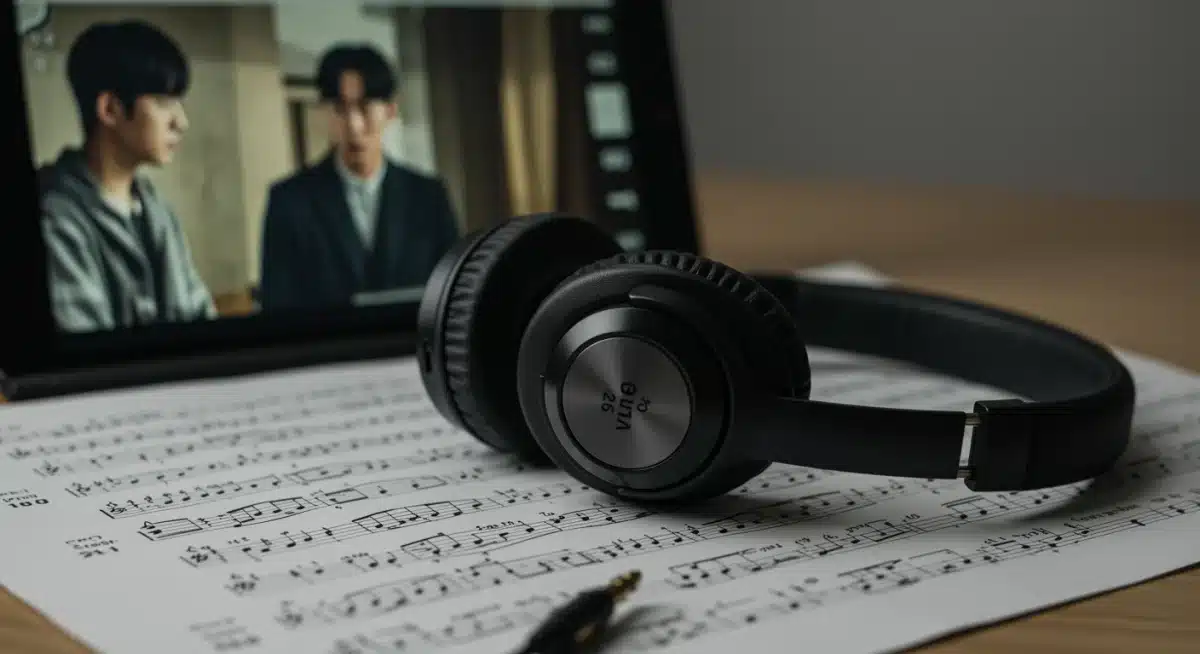
Critical acclaim and audience reception
- Seamless integration: The song felt like an extension of the drama itself.
- Emotional depth: Enhanced the poignant moments of the storyline.
- Fan favorite: Quickly became a beloved track among K-drama enthusiasts.
The lasting impression of ‘The Guardian’s Melody’ on viewers suggests its continued relevance into 2025. Its ability to evoke strong emotions and its widespread appeal mean that it will likely continue to draw new listeners to Whispers of the Celestial, proving that a truly exceptional OST can extend a drama’s lifecycle and cultural footprint. The song became not just a soundtrack, but a narrative device in itself, illustrating the immense power of music in K-drama storytelling.
‘City Lights Serenade’: urban drama’s rhythmic heart in 2024
For the gritty 2024 crime thriller Neon Streets, the OST ‘City Lights Serenade’ brought a pulsating, urban energy that perfectly complemented its dark and complex storyline. Unlike traditional ballads, this track utilized a blend of synth-pop and rhythmic beats, creating an atmosphere of suspense and urgency. It became the sonic signature of the drama, immersing audiences in its high-stakes world of undercover operations and moral dilemmas.
Critics lauded ‘City Lights Serenade’ for its innovative approach, breaking away from conventional K-drama OST tropes to deliver something uniquely fitting for its genre. The song’s driving rhythm often underscored chase scenes and intense confrontations, making viewers feel a visceral connection to the characters’ perilous journeys. Its distinct sound helped define the drama’s edgy aesthetic, setting it apart from other releases.
Genre-specific musical innovation
- Modern soundscape: Utilized contemporary electronic elements.
- Atmospheric building: Created a tense and immersive urban setting.
- Narrative support: Enhanced action sequences and dramatic reveals.
The success of ‘City Lights Serenade’ highlights the growing trend of K-dramas experimenting with diverse musical genres for their soundtracks. This innovative approach not only appeals to a broader audience but also encourages critics to consider the OST as a crucial element in evaluating a drama’s overall artistic vision. Its influence is expected to encourage more genre-specific and experimental OSTs in 2025, pushing the boundaries of what K-drama music can achieve.
‘Echoes of the Past’: historical drama’s poignant soundtrack
The 2024 historical epic, Dynasty’s Shadow, was deeply enriched by its OST, ‘Echoes of the Past.’ This soundtrack was a masterclass in traditional Korean instrumentation blended with contemporary orchestral arrangements, creating a soundscape that felt both ancient and timeless. It served as a melancholic backdrop to a tale of political intrigue, forbidden love, and the weight of history, resonating deeply with viewers.
Reviewers praised ‘Echoes of the Past’ for its meticulous attention to historical detail in its musical composition, which perfectly mirrored the drama’s lavish sets and authentic costumes. The use of traditional instruments like the gayageum and daegeum added an unparalleled layer of authenticity and emotional depth, immersing audiences in the historical period. Each track seemed to carry the weight of centuries, reflecting the characters’ struggles with fate and duty.
Authenticity and emotional resonance
- Traditional instrumentation: Enhanced historical accuracy and cultural immersion.
- Melancholic beauty: Perfectly captured the drama’s somber, epic tone.
- Critical praise: Recognized for its artistic contribution to the genre.
The profound emotional impact of ‘Echoes of the Past’ ensures its legacy will extend well into 2025, influencing how future historical K-dramas approach their musical scores. It demonstrated that a thoughtful and culturally rich OST can significantly elevate a drama’s narrative, drawing viewers into its world and creating a lasting emotional connection that transcends time. This OST became a benchmark for historical drama sound design.
‘Starlight Confession’: romance drama’s sweet melodic charm
From the heartwarming 2024 romantic comedy, When the Stars Align, ‘Starlight Confession’ emerged as the quintessential love anthem. Performed by a beloved K-pop idol, its lighthearted yet earnest melody perfectly captured the drama’s themes of budding romance, awkward encounters, and the joy of finding true connection. This OST became an instant hit, embodying the vibrant and hopeful spirit of the series.
Critics and audiences alike adored ‘Starlight Confession’ for its infectious optimism and its ability to perfectly punctuate every significant romantic moment. From first glances to heartfelt confessions, the song amplified the sweetness and sincerity of the protagonists’ journey. Its catchy chorus and memorable lyrics made it a staple on playlists, ensuring its widespread appeal and continued airplay beyond the drama’s run.
Capturing the essence of romance
- Catchy and memorable: An earworm that resonated with listeners.
- Thematic alignment: Perfectly mirrored the drama’s romantic narrative.
- Driving viewership: Attracted fans of the performing artist to the drama.
The enduring popularity of ‘Starlight Confession’ illustrates how a well-crafted OST can significantly contribute to a romance drama’s success and its ability to attract new viewers. Its feel-good vibe and association with a popular idol mean that it will continue to introduce new audiences to When the Stars Align throughout 2025, cementing its status as a classic romantic K-drama soundtrack. This OST proved the power of a sweet melody in amplifying love stories.
| Key Aspect | Description |
|---|---|
| Emotional Resonance | OSTs amplify K-drama emotions, making scenes more impactful and memorable for viewers. |
| Narrative Enhancement | Music helps foreshadow events, define character arcs, and establish genre-specific moods. |
| Cultural Impact | Successful OSTs become global hits, attracting new audiences to K-dramas and showcasing Korean talent. |
| Long-term Viewership | Memorable OSTs sustain interest in dramas, driving views and discussions well into subsequent years. |
Frequently asked questions about K-drama OSTs
K-drama OSTs are crucial for reviews because they significantly enhance the emotional impact and narrative depth of a drama. They can elevate scenes, convey unspoken feelings, and create memorable moments, directly influencing a reviewer’s perception of the drama’s overall quality and emotional resonance. A strong OST often translates to higher critical acclaim.
OSTs impact K-drama viewership long-term by becoming standalone hits that attract new audiences to the drama. When a song goes viral, it often piques interest in its source material, leading to sustained viewership and discussions even years after its initial release. This musical longevity helps maintain the drama’s cultural relevance and appeal.
Absolutely. A K-drama OST can profoundly influence a drama’s genre perception. For instance, a melancholic ballad can deepen a romance, while a suspenseful electronic track can intensify a thriller. The music sets the mood and tone, guiding viewers’ expectations and understanding of the genre, making it an integral part of the drama’s identity and critical reception.
A K-drama OST stands out in reviews when it seamlessly integrates with the narrative, enhances emotional storytelling, and possesses high musical quality. Innovative soundscapes, unique vocals, and the ability to evoke strong, specific feelings that align with the drama’s themes are often highlighted by critics as key factors for a standout soundtrack.
Yes, K-drama OSTs are increasingly diversifying their musical styles, moving beyond traditional ballads to incorporate various genres like synth-pop, rock, R&B, and traditional Korean music. This reflects a broader trend in K-drama production to cater to diverse storylines and global audiences, encouraging more experimental and genre-specific soundtracks that enrich the viewing experience.
Conclusion
The indelible mark left by K-drama OSTs on both critical reviews and audience engagement cannot be overstated. As demonstrated by the standout soundtracks from 2024 releases like ‘The Guardian’s Melody,’ ‘City Lights Serenade,’ ‘Echoes of the Past,’ and ‘Starlight Confession,’ music is an indispensable element in the K-drama ecosystem. These OSTs do more than just accompany a story; they become integral to its fabric, amplifying emotions, defining genres, and extending the drama’s lifespan well beyond its initial broadcast. Their continued popularity and influence into 2025 underscore the powerful symbiotic relationship between visual storytelling and auditory artistry, solidifying the idea that a truly great K-drama is not just seen, but also deeply felt through its music.