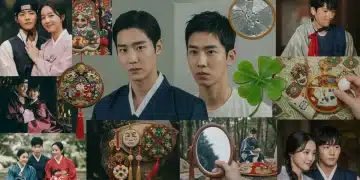
Omotenashi in Japanese Dramas: A 2025 Guide to Hospitality

Omotenashi in Japanese dramas deeply enriches storytelling by portraying the profound cultural significance of selfless Japanese hospitality, influencing character development and narrative themes.
Have you ever watched a Japanese drama and felt a profound sense of warmth and meticulous care emanating from the screen? This feeling often stems from The Cultural Significance of ‘Omotenashi’ in Japanese Dramas: A 2025 Guide to Understanding Japanese Hospitality, a unique philosophy that permeates every aspect of Japanese society, including its beloved television series.
Understanding Omotenashi: more than just good service
Omotenashi is a term often translated as Japanese hospitality, but its true meaning extends far beyond simple service. It encompasses a selfless approach to welcoming guests, anticipating their needs before they even voice them, and providing an experience that is both thoughtful and unobtrusive. This philosophy is deeply ingrained in the Japanese psyche and manifest in countless ways, from the meticulous presentation of a meal to the thoughtful arrangement of a traditional inn.
In Japanese dramas, Omotenashi is not merely a backdrop; it is often a central theme, shaping character motivations, plotlines, and emotional depth. It highlights the importance of respect, empathy, and genuine care in human interactions, reflecting a societal value system that prioritizes harmony and consideration for others. This cultural cornerstone provides a rich tapestry for storytelling, allowing dramas to explore complex relationships and personal growth through the lens of hospitality.
The philosophy behind the gesture
At its core, Omotenashi is about putting the guest first, without expectation of reward or recognition. It’s about anticipating needs and creating a comfortable, welcoming environment. This isn’t just about politeness; it’s a deep-seated respect for the individual.
- Anticipation: Foreseeing a guest’s needs before they are expressed.
- Selflessness: Providing service without expectation of personal gain.
- Harmony: Creating a balanced and pleasant environment.
- Detail-oriented: Paying close attention to every small aspect of the guest’s experience.
The impact of Omotenashi on narratives is significant. It allows for subtle character development, where protagonists demonstrate their inner kindness and resilience through acts of hospitality, often transforming relationships and overcoming obstacles. These depictions resonate deeply with audiences, offering insights into Japanese values and the beauty of human connection.
Omotenashi in traditional Japanese dramas
Traditional Japanese dramas, particularly historical or period pieces, often showcase Omotenashi in its most authentic forms. These dramas transport viewers to eras where social etiquette and detailed rituals were paramount, and hospitality was an art form. From the elaborate tea ceremonies depicted in samurai dramas to the meticulous care shown in ryokan (traditional inn) settings, Omotenashi is a recurring and vital element.
These portrayals are not just for aesthetic appeal; they serve to illustrate the social hierarchy, the cultural values of the time, and the personal character of individuals. A character’s ability to offer or receive Omotenashi can reveal their status, their moral compass, and their capacity for empathy. The detailed depiction of these practices provides a window into Japan’s rich cultural heritage, making the dramas both entertaining and educational.
Historical context and narrative impact
Throughout Japanese history, Omotenashi has been integral to various social structures, from the imperial court to local communities. Dramas set in these periods often use hospitality as a narrative device to:
- Demonstrate social status: How Omotenashi is given or received often reflects the characters’ standing.
- Advance plotlines: A well-executed act of hospitality can resolve conflicts or forge new alliances.
- Develop character: Characters who embody Omotenashi are often portrayed as wise, compassionate, or honorable.
Consider dramas focusing on traditional crafts or culinary arts, where the dedication to perfection and the desire to please the recipient are direct expressions of Omotenashi. These narratives emphasize the journey of mastering a skill not just for personal gain, but for the joy and satisfaction of those who experience the finished product. This selfless pursuit of excellence is a powerful narrative tool that resonates with viewers.
Modern interpretations: Omotenashi in contemporary J-dramas
While its roots are deep in tradition, Omotenashi is far from an outdated concept. Contemporary Japanese dramas frequently explore how this philosophy translates into modern settings, from bustling city hotels to small, independent businesses. These dramas often highlight the challenges and rewards of maintaining Omotenashi in a fast-paced, globalized world, offering fresh perspectives on its enduring relevance.
In modern J-dramas, Omotenashi might be seen in a barista remembering a customer’s favorite order, a shop owner going the extra mile to find a rare item, or a colleague offering thoughtful support to a struggling team member. These everyday acts of kindness and consideration underscore that Omotenashi is not just for formal occasions but is an integral part of daily life and interpersonal relationships. It portrays a society that values genuine connection and mutual support.
Everyday acts of extraordinary care
Contemporary dramas often feature protagonists working in service industries, where Omotenashi is a cornerstone of their profession. These characters embark on journeys of self-discovery and personal growth as they strive to embody this ethos.
For example, a drama might center on a struggling restaurant owner whose dedication to their customers, fueled by Omotenashi, eventually leads to success. Or a story could involve a young professional learning the ropes of their job, discovering that true success lies not just in efficiency, but in anticipating and meeting the unvoiced needs of clients. These narratives provide relatable scenarios where viewers can see the practical application and emotional impact of Omotenashi.

Modern dramas also often contrast Omotenashi with more transactional forms of service, highlighting the profound difference. This contrast can serve as a commentary on societal values, encouraging viewers to reflect on the importance of genuine human connection in an increasingly impersonal world. The portrayal of Omotenashi in these contexts offers a comforting and inspiring vision of how individuals can make a positive impact through thoughtful actions.
Character development through Omotenashi
One of the most compelling aspects of Omotenashi in Japanese dramas is its role in character development. Characters who exemplify Omotenashi are often portrayed as deeply empathetic, resilient, and dedicated. Their actions, driven by a desire to serve and care for others, propel their personal growth and influence those around them.
Dramas frequently show characters initially struggling with the demands of Omotenashi, perhaps viewing it as a burden or an overly formal practice. However, through their experiences, they come to understand its deeper meaning, transforming from reluctant participants to earnest practitioners. This journey often involves overcoming personal challenges, learning humility, and developing a greater appreciation for human connection. The subtle ways characters express Omotenashi, through a gentle smile, a perfectly timed gesture, or a carefully chosen word, convey volumes about their inner world and their evolving understanding of true hospitality.
The journey of empathy and self-discovery
Characters’ interactions with guests, clients, or even family members, become a canvas for exploring their own values and beliefs. A character might learn the importance of patience through serving a difficult customer, or discover the joy of selfless giving by preparing a special meal for a loved one. These experiences are pivotal in their development.
- Internal transformation: Characters evolve from self-centeredness to empathy.
- Relationship building: Omotenashi fosters deeper, more meaningful connections.
- Personal growth: Overcoming obstacles through the practice of selfless service.
Furthermore, characters who are recipients of Omotenashi also experience significant growth. They might learn to trust again, to open up to others, or to appreciate the kindness of strangers. This dual impact—on both the giver and receiver—makes Omotenashi a powerful narrative device, illustrating the reciprocal nature of genuine human connection and its capacity to heal and transform.
Omotenashi as a narrative device: plot and theme
Beyond character development, Omotenashi serves as a potent narrative device, driving plotlines and enriching thematic depth in Japanese dramas. It can be the catalyst for conflict, the means to its resolution, or the underlying message that ties an entire series together. The intricate rituals and unspoken expectations associated with Omotenashi provide fertile ground for dramatic tension and compelling storytelling.
For instance, a misunderstanding of Omotenashi could lead to comedic situations or serious cultural clashes. Conversely, a perfect act of hospitality might bridge cultural gaps, mend broken relationships, or inspire profound change. The themes explored through Omotenashi are vast, ranging from the pursuit of perfection and the beauty of imperfection to the complexities of tradition versus modernity. It often highlights the importance of effort, sincerity, and the intangible value of human connection over material gain.
Crafting compelling stories
The subtle nuances of Omotenashi allow creators to weave complex narratives that resonate on multiple levels. It offers a framework for exploring universal human experiences through a distinctly Japanese lens.
- Conflict and resolution: Misinterpretations or exemplary acts of Omotenashi can drive the plot.
- Cultural commentary: Exploring the tensions between traditional values and contemporary life.
- Emotional resonance: Connecting with audiences through universal themes of care and respect.
Dramas often use Omotenashi to explore themes of identity and belonging, particularly for characters who are outsiders or struggling to find their place. The act of offering or receiving Omotenashi can become a pathway to acceptance, understanding, and personal fulfillment. This makes Omotenashi not just a cultural practice, but a symbol of hope and connection in the narratives.
The future of Omotenashi in Japanese dramas: 2025 outlook
As we look towards 2025, the portrayal of Omotenashi in Japanese dramas is expected to continue evolving, adapting to new societal trends while retaining its core essence. With an increasing global audience for J-dramas, creators are likely to explore Omotenashi in ways that are both culturally authentic and universally relatable. This might involve more international characters interacting with Japanese hospitality, or examining how Omotenashi adapts to technological advancements and changing social norms.
There’s a growing interest in sustainable and ethical practices, and future dramas might explore how Omotenashi can be applied within these contexts, such as eco-friendly tourism or community-based initiatives. The focus could shift towards how individuals and businesses uphold these values in an increasingly complex world, providing a fresh lens through which to view this cherished tradition. The adaptability of Omotenashi ensures its continued relevance and its rich potential for future storytelling.
Evolving narratives and global appeal
Future dramas may delve deeper into the psychological aspects of Omotenashi, exploring the internal motivations and personal sacrifices involved in embodying this philosophy. This could lead to more nuanced character studies and thought-provoking narratives.
We might see dramas:
- Bridging cultures: Showcasing Omotenashi in international settings or with diverse characters.
- Technological integration: Exploring how hospitality adapts to digital advancements.
- Societal relevance: Addressing contemporary issues through the lens of selfless service.
Ultimately, the enduring appeal of Omotenashi lies in its universal message of care and consideration. As Japanese dramas continue to captivate audiences worldwide, their nuanced portrayals of this unique cultural concept will undoubtedly inspire, educate, and offer a comforting vision of human connection for years to come. The future promises even more innovative and insightful explorations of this profound Japanese value.
| Key Aspect | Brief Description |
|---|---|
| Definition | Selfless Japanese hospitality, anticipating needs without expectation of reward. |
| Drama Role | Shapes characters, drives plot, and explores themes of respect and empathy. |
| Cultural Impact | Reflects deep societal values of harmony, consideration, and meticulous care. |
| Future Trends | Evolving portrayals in global contexts, integrating technology and ethical practices. |
Frequently asked questions about Omotenashi in dramas
Omotenashi in Japanese dramas signifies selfless hospitality, where hosts anticipate guest needs without seeking reward. It goes beyond mere service, embodying genuine care, respect, and meticulous attention to detail, deeply influencing character interactions and narrative themes.
Omotenashi often drives character growth, transforming individuals from reluctant participants to empathetic practitioners. Characters learn humility, patience, and the joy of selfless giving, fostering deeper connections and overcoming personal obstacles through acts of genuine hospitality.
Absolutely. Modern J-dramas showcase Omotenashi in everyday settings, like a barista remembering a customer’s order or a thoughtful colleague. These portrayals highlight its enduring relevance in contemporary society, emphasizing genuine connection over transactional service.
Omotenashi helps explore themes such as the pursuit of perfection, the beauty of imperfection, tradition versus modernity, and the complexities of human connection. It can also drive plotlines by creating conflicts or resolutions through acts of hospitality or their misinterpretation.
Omotenashi is culturally significant because it reflects core Japanese values of harmony, respect, and consideration for others. Its portrayal in dramas offers viewers deep insights into Japanese society, enriching narratives with emotional depth and a unique cultural perspective.
Conclusion
The profound cultural significance of Omotenashi in Japanese dramas offers a compelling lens through which to understand Japanese hospitality. From historical epics to contemporary slice-of-life stories, Omotenashi consistently enriches narratives, shapes character journeys, and explores universal themes of empathy and connection. As Japanese dramas continue to gain international recognition, the nuanced portrayal of this unique philosophy will undoubtedly continue to captivate and educate audiences, highlighting the enduring beauty and depth of Japanese culture.